




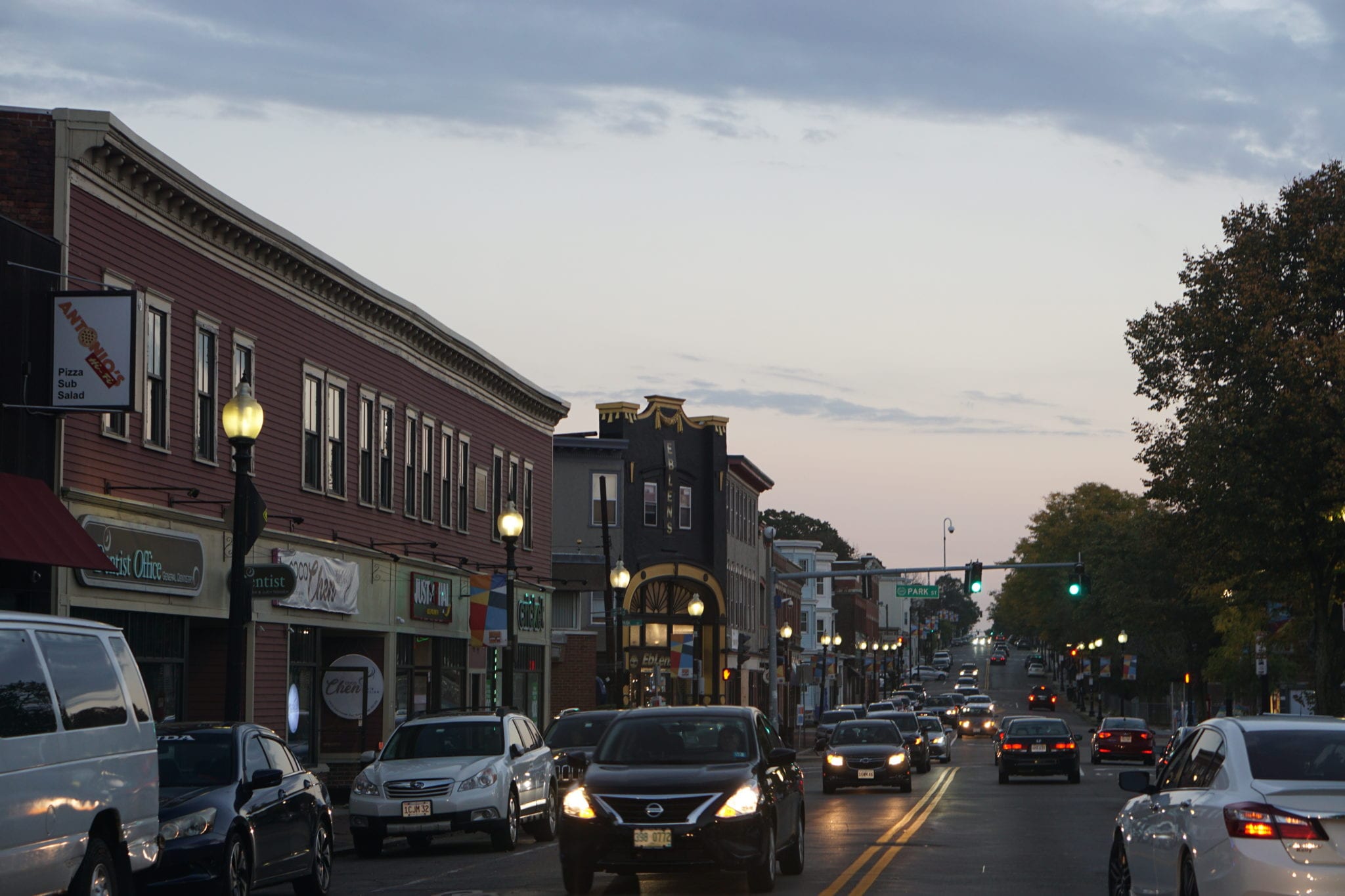
Boston is facing mounting challenges as rising housing costs, increased development, and growing inequality prompt fresh debates over economic growth and social justice. The city, along with other major urban centers, is grappling with how to balance these two often competing objectives. Voters are increasingly vocal about their concerns over who benefits from economic growth, reigniting discussions that have persisted for decades.
Many see a resurgence of progressive urban politics as an opportunity to address this longstanding issue in American city governance. Advocates argue that economic growth should not come at the expense of social inclusion, but rather, the two should work in tandem to benefit all residents.
In Boston, the urgency around these issues is heightened by the stark reality that housing costs have skyrocketed, with median rents exceeding $2,400 and home prices approaching $850,000. Families are left wondering if they can afford to live in the communities they’ve helped build. The situation is paralleled in cities like New York and Los Angeles, where new political figures claiming progressive ideals have found success by addressing these very questions.
Former Mayor Ray Flynn, who served in the 1980s and 1990s, championed the belief that economic growth without the inclusion of all community members ultimately undermined civic trust. His administration initiated policies like the Parcel 18 initiative, aimed at creating equity and affordable housing, which still inform urban development strategies today. Flynn’s approach illustrated that economic and social equity were not mutually exclusive but necessary for long-term prosperity.
Current Mayor Michelle Wu is attempting to navigate these complex dynamics with proposed adjustments to housing policies. Her recommendations maintain the 20 percent affordability requirement for larger private developments while also trying to alleviate some of the regulatory burdens that stifle construction amid rising interest rates and development costs. Critics argue that increasing affordability mandates could deter developers and exacerbate the housing crisis.
Amid these discussions, questions persist about the effectiveness of policies designed to serve both economic development and social justice. Citizens increasingly demand evidence that government can actively shape market conditions rather than just react to them. As seen in recent elections, there is growing skepticism among voters who feel that economic prosperity largely benefits wealthy developers while leaving low- and middle-income residents behind.
As Boston’s housing debate continues, the city must confront the perception that growth favors investors over working families. Unless residents can share in the prosperity generated by new developments, support for growth initiatives may falter. Political leaders will need to demonstrate that they can translate civic goals into tangible outcomes to maintain public confidence and ensure that Boston remains a thriving city for all its residents.
