




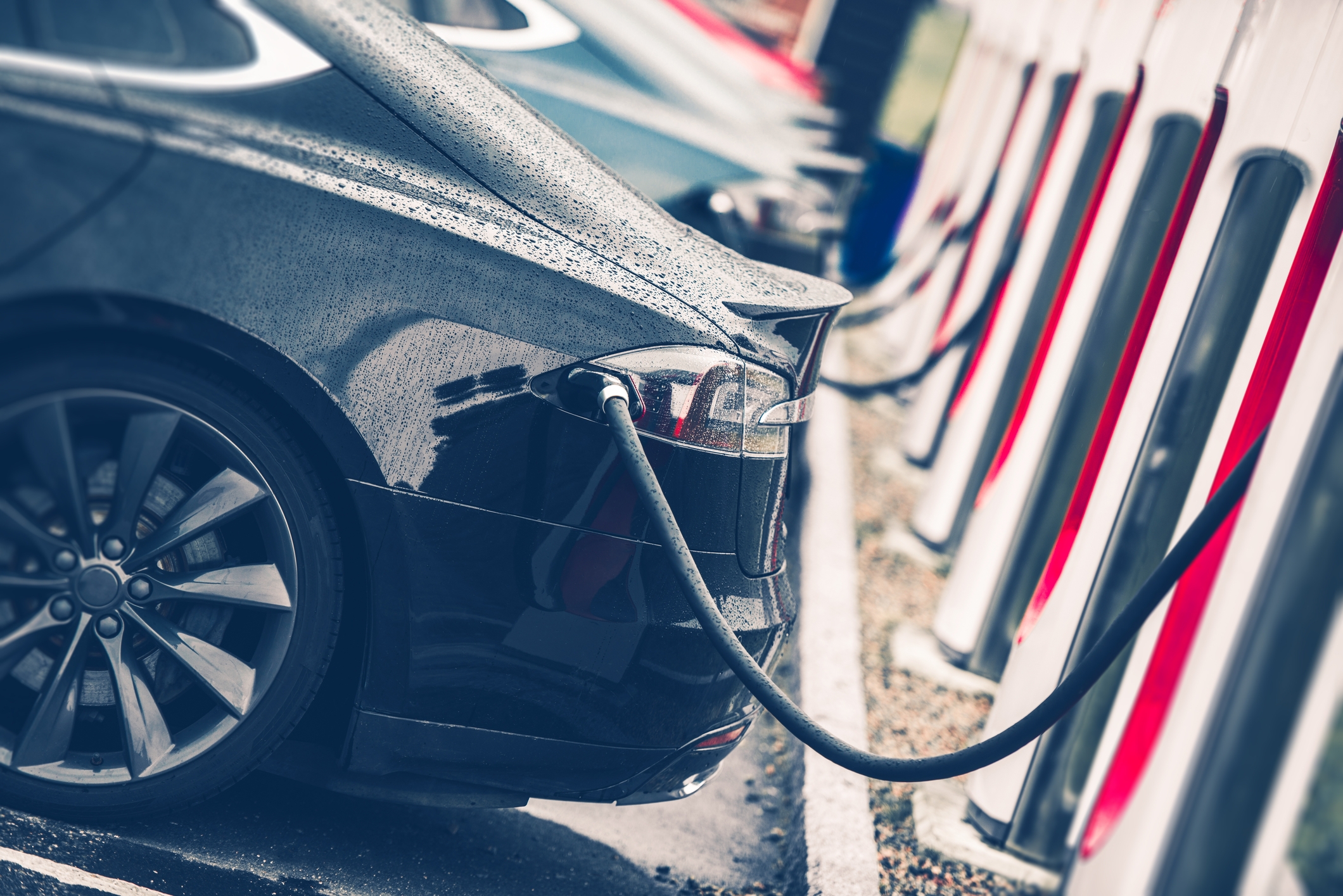
The European Commission has underscored the importance of electric vehicles (EVs) in enhancing Europe’s energy security while simultaneously addressing environmental concerns. This shift in perspective emphasizes that the benefits of electrifying the transport sector extend beyond climate change mitigation and into the realm of energy independence.
European Commission’s Electrification Action Plan
On July 17, the Commission released its Electrification Action Plan, stating that transitioning to electric cars could significantly reduce reliance on imported fossil fuels. The plan estimates that this shift could save the EU as much as 260 billion euros annually by 2040 in fossil fuel imports. With rising oil prices—hitting as high as 120 US dollars a barrel following geopolitical tensions, such as Russia’s invasion of Ukraine—this urgency has become more pronounced.
According to the Commission, EVs can cost up to 78 percent less to operate than their fossil-fuel counterparts. Additionally, sales of battery-electric vehicles have already contributed to a reduction of approximately 140,000 barrels of oil consumption daily within the EU. These developments have prompted a reevaluation of the policies promoting electric vehicle adoption, which have traditionally been focused on stringent CO2 standards and climate neutrality.
Surveys indicate a mixed reception towards electric vehicle adoption among European consumers. In a survey conducted by YouGov, only 8 percent identified a fully electric vehicle as their next purchase choice. Another report from Bloomberg Intelligence revealed that only 18 percent of potential buyers across key European markets expressed interest in battery-electric cars. Many consumers seem to prioritize economic factors over moral arguments when deciding on vehicle purchases.
Poland’s experience illustrates the complexities of the transition. The government aimed to have one million electric vehicles on the road by 2026, yet recent developments suggest a slowdown in the uptake of EVs amid subsidized fossil fuels. A decrease in registrations of new battery-electric vehicles has been reported, attributed primarily to the cessation of government subsidies for electric vehicle purchases. In contrast, Germany’s subsidies for EV purchases have resulted in a significant increase in electric vehicle registrations.
As global energy prices fluctuate, the EU faces increased pressure to balance its transition to cleaner energy with practical consumer needs. The Commission’s recognition of the connection between energy security and electric vehicle adoption could be pivotal in shaping future policies and consumer attitudes. Despite ongoing challenges, the argument for electric vehicles is evolving beyond just climate consciousness to include strategic economic benefits.
Why It Matters
This shift in policy emphasis from merely environmental considerations to include energy security is significant for Europe’s future. By addressing both financial and strategic interests, the European Commission aims to facilitate a smoother transition to electric vehicles, reducing dependence on imported fossil fuels while potentially aligning with broader sustainability goals. The ability to present electric vehicles as both an economically viable and strategically prudent choice could influence consumer behavior and enhance Europe’s energy resilience amid global uncertainties.
