




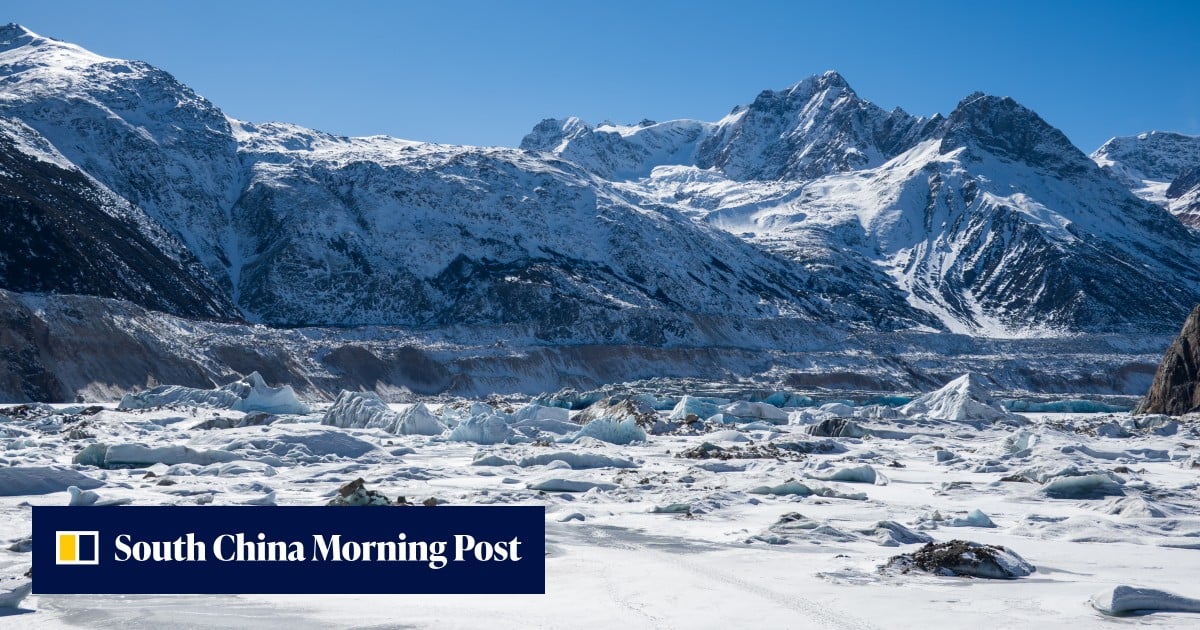
The Tibetan Plateau, which contains the largest area of alpine permafrost globally, is experiencing a unique phenomenon where ground ice is thickening in certain regions despite warming trends. A team of researchers from Peking University reported that some areas in the Tibet autonomous region have seen an increase in shallow ground ice over the past two decades, while the plateau itself is warming at approximately twice the rate of the global average.
This unexpected thickening has affected more than a third of the plateau’s permafrost. The researchers highlighted that this occurrence is primarily driven by natural climate factors, rather than human-induced changes.
While the study reveals significant changes in ground ice thickness, the researchers cautioned that the effects of this gain on the stability of the underlying permafrost and the overall environment remain uncertain.
As scientists continue to investigate the implications of these findings, questions linger regarding how these changes may impact the region’s ecosystem and hydrology. The study emphasizes the complexity of climate-related changes occurring in the Tibetan Plateau, warranting further research and monitoring.
