




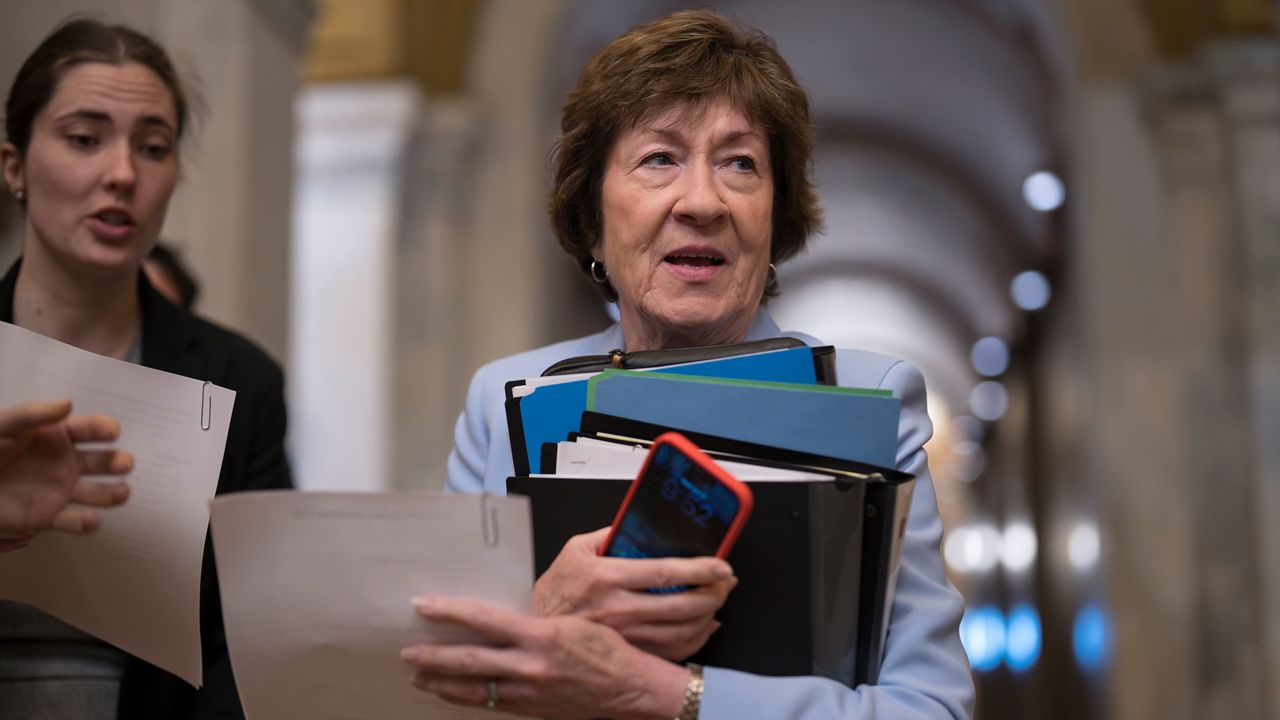
Susan Collins, the incumbent Republican senator from Maine, is actively campaigning for a sixth term against Democrat Troy Jackson, a former state legislative leader. Both candidates emphasize their commitment to “constituent services,” a strategy they believe will resonate with voters as the election draws near.
Senate Race Dynamics and Constituent Services
Collins, who has served five terms in the Senate, has been focusing her campaign on the support she has provided to various communities in Maine. As chair of the Senate Appropriations Committee, she has participated in local events, such as ribbon-cuttings, to showcase projects she has helped fund. A campaign ad highlights her influence, claiming, “There’s not a community in Maine that can’t say Susan helped us.”
Meanwhile, in Georgia, Senator Jon Ossoff, also running for re-election against Republican Mike Collins, has adopted a similar approach by emphasizing his efforts in constituent services. Following Hurricane Helene in fall 2024, Ossoff was the first high-ranking official to visit Valdosta, Georgia, promising federal recovery support. He noted, “Just about every week, I dial up Georgia mayors and pastors and farmers to find out how I can help.”
The campaigns of both Collins and Ossoff began with predictions of vulnerability given their parties’ national challenges. However, their focus on local community assistance has shifted perceptions, with Ossoff moving from being a target to a perceived favorite in his race, while Collins continues to negotiate significant national political currents related to former President Donald Trump’s administration.
Collins has further emphasized her seniority in the Senate as a critical advantage for the people of Maine, stating that her ability to secure funding and resources for local projects would diminish with a junior senator. Her recent appearances, including a ceremony to celebrate $3 million for affordable housing in Calais and visits to local events, showcase her longstanding connection to Maine constituents.
Despite the Republican focus on national issues, such as Trump’s tariffs and rising fuel prices, Collins’ historical capability to win elections in a state that typically votes Democratic for presidential candidates is noted. Some commentators suggest that federal funding and her established presence in local matters have contributed substantially to her political durability.
Why It Matters
The race between Susan Collins and Troy Jackson underscores the significance of local engagement and constituent services in modern political campaigns. As both candidates navigate national political sentiments, their ability to demonstrate tangible support for their communities may heavily influence voter sentiment in the upcoming election.
