




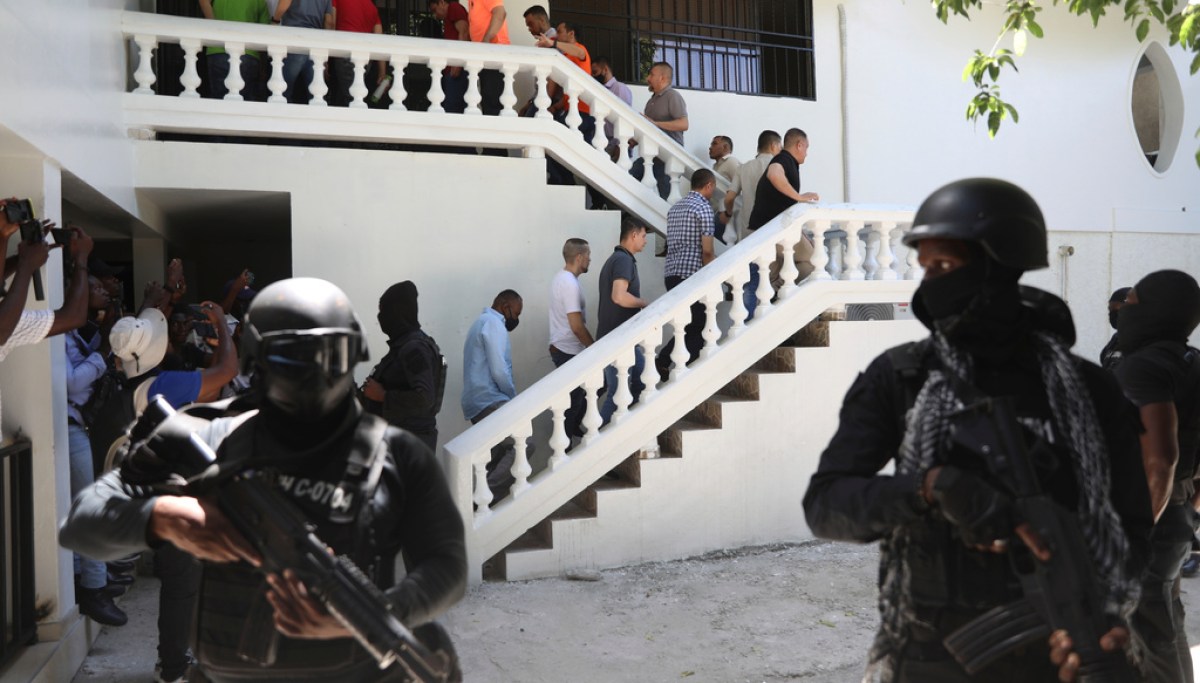
In a significant development regarding the assassination of Haitian President Jovenel Moïse, authorities have announced that 18 suspects, part of a group of over 30 indicted in connection with the case, are being extradited to the United States. The suspects are currently being transported via a military plane.
Extradition and Ongoing Investigations
Jason Reding Quiñones, the U.S. Attorney for the Southern District of Florida, stated that the extradition marks a vital step in the ongoing pursuit of accountability related to Moïse’s assassination. He emphasized that the investigation will continue to follow the evidence to identify all who played a role in the crime, including financiers and facilitators.
During his remarks, Quiñones noted, “Five years later, we are still bringing defendants before American courts, and we are not finished.” This indicates a sustained effort to address the complexities surrounding the assassination that occurred on July 7, 2021.
The situation surrounding Moïse’s murder involved a group of over 20 commandos who breached his residence, resulting in Moïse being shot multiple times. His wife was seriously injured in the attack and was flown to the United States for medical treatment.
Following the assassination, Haitian authorities were able to apprehend several suspects. Among them were 18 captured from the original commando team, consisting largely of retired Colombian soldiers hired as mercenaries, along with Haitian-Americans.
The assassination is widely regarded as a catalyst for escalating violence and lawlessness in Haiti, leading to a power vacuum now filled by gangs that wreak havoc across the country. Reports indicate that these groups have gained control over significant areas, contributing to the ongoing instability in the region.
Despite numerous indictments, with at least 51 individuals charged by Haitian authorities, prosecutions have been stalled due to the deteriorating central government. In contrast, U.S. courts have facilitated several trials, with five defendants this year alone pleading guilty and receiving life sentences for their roles in the assassination.
One defendant who provided body armor to the assassination team received a nine-year prison sentence. U.S. authorities lament the sluggish pace of the Haitian judicial process, underlining the challenges faced in achieving justice for the assassination.
As investigations continue, the U.S. remains committed to pursuing legal action against all involved parties, aiming to uncover the full extent of the conspiracy behind Moïse’s assassination.
Why It Matters
The extradition of these suspects underscores a continued international effort to address the ongoing crisis in Haiti and signal accountability for high-profile crimes. It reflects the complexities of justice in a context marked by political instability and rampant violence, highlighting the challenges faced by judicial systems in both Haiti and internationally.
