




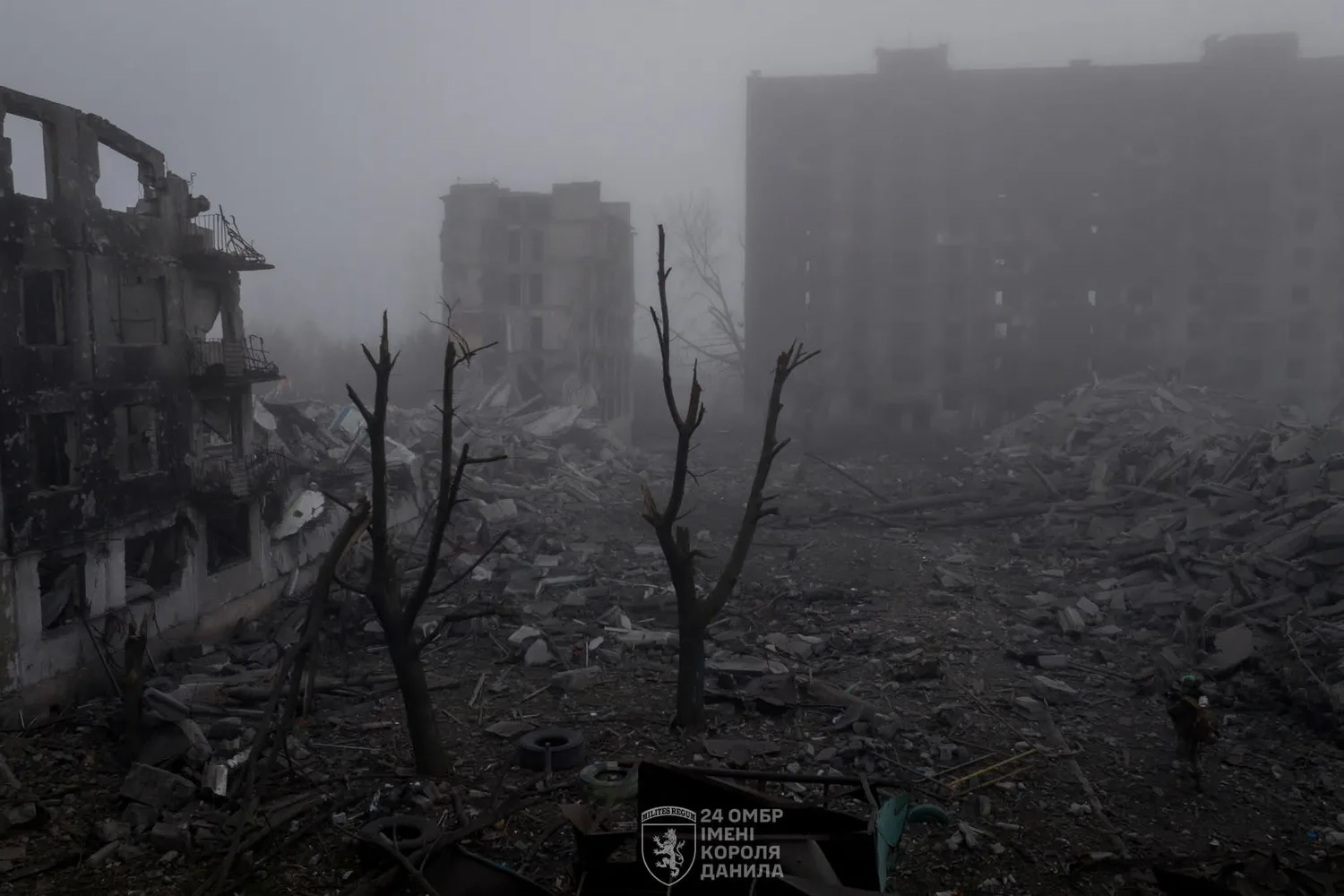
As tensions escalate in Eastern Europe, concerns are mounting among European leaders that Russian President Vladimir Putin may attempt to broaden the ongoing conflict in Ukraine to include countries in Europe. Reports indicate that various European capitals are increasingly wary of the Kremlin’s actions and rhetoric, which may pose a direct threat to regional stability.
Growing Concerns Amid Military Actions
Russia has been actively engaged in formidable military operations against Ukraine, including significant bombardments directed at Ukrainian infrastructure in Kyiv. In light of these developments, European officials are expressing fears that Putin could “reshuffle the cards” by expanding his military aggression into the Baltic states and potentially other territories in Europe.
In recent weeks, statements emanating from the Russian government have become more aggressive, particularly in relation to Latvia and its role in hosting Ukrainian military support. The Russian Ministry of Defense has issued threats, suggesting it may bomb “decision-making centers” within Latvia, a claim refuted by Latvian authorities. Furthermore, details have surfaced regarding alleged drone production collaborations between companies in multiple European nations and Ukraine, with warnings from Russia about escalating consequences if military aid to Ukraine continues.
Amid these tensions, the perceptions of European national security officials are shifting. They are now on heightened alert, with concerns that Russia may target a Baltic nation or islands in the region as a means to test NATO’s collective defense unity. Swedish Defense Minister Pål Jonson underscored the deteriorating security situation in Europe, noting a concerning trend in Russian military operations that have begun incorporating more aggressive strategies. This has prompted discussions focused on enhancing Europe’s defensive capabilities.
While there are no immediate indications that Russia plans to mobilize troops for attacks outside Ukraine, the combination of battlefield attrition and strategic goals to regain influence complicate the situation. Reports indicate that Russian forces are experiencing high casualty rates—approximately 35,000 soldiers monthly—while facing recruitment challenges that could undermine sustained military operations in Ukraine.
Russian military strategies are under acute scrutiny. Experts suggest that any escalation, such as attacking NATO members, could be dangerously counterproductive and might lead to severe consequences for Russia, given NATO’s defensive commitments to allied territories. Senior lawmakers have cautioned that such an expansion of the conflict could signal weakness and a lack of success in Ukraine. The historical context of Russia’s military mobilization raises further concerns about potential internal dissent and stability.
European leaders are firm in their resolve to support Ukraine, signaling a commitment to deterrence and a unified response should Russia escalate its actions. The interplay between military strategy and geopolitical stability remains a focal point for European officials as they navigate this complex and evolving conflict.
Why It Matters: The potential for Russia to extend its military confrontation beyond Ukraine poses significant risks to European security. Heightened tensions between Russia and NATO members could result in military escalation and further geopolitical instability in the region, underscoring the critical importance of vigilance and cooperative defense strategies among European nations.
