




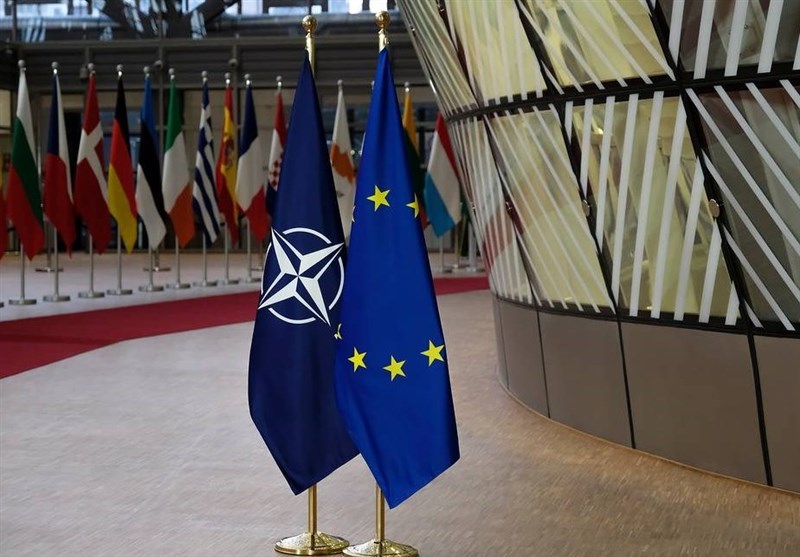
Officials in Europe are moving forward with a comprehensive plan aimed at enhancing NATO’s operational capabilities independent of US involvement. Reports indicate that discussions have focused on establishing a more autonomous “European NATO,” which would involve placing Europeans in key leadership roles and expanding the capacity to produce and procure military equipment to replace that currently supplied by the US.
The initiative reportedly gained traction over the past year, particularly following tensions surrounding former US President Donald Trump’s remarks regarding Greenland and his criticism of European allies over their military contributions during conflicts, which included the situation in Iran. Officials noted that these developments prompted a reevaluation of NATO’s structure and reliance on American support.
A significant catalyst for this new direction was Germany’s recent shift in stance, which has helped transition discussions about NATO’s future from theoretical to practical considerations. Europe’s preferred outcome involves maintaining US engagement in NATO while transferring primary defensive responsibilities to European nations.
In pursuit of greater military self-sufficiency, Europe plans to enhance its production capabilities in various defense sectors. Areas identified for improvement include anti-submarine warfare, space reconnaissance, and aerial refueling systems. The focus on these technological advancements is seen as essential to strengthening Europe’s overall defense posture.
H2: Europe’s Strategic Realignment
As European officials continue to work toward this strategic realignment within NATO, the implications for transatlantic relations and collective security remain to be seen. The approach reflects a growing recognition of the need for Europe to assume a larger role in its defense framework, reducing vulnerabilities associated with reliance on American military assets.
Why It Matters
This shift signifies a potential transformation in NATO’s operational dynamics, emphasizing European autonomy in defense. The success of this initiative could reshape the alliance’s collective security landscape and influence geopolitical stability in the region. The development underscores ongoing discussions about the future of NATO in light of changing global defense priorities and alliances.
