




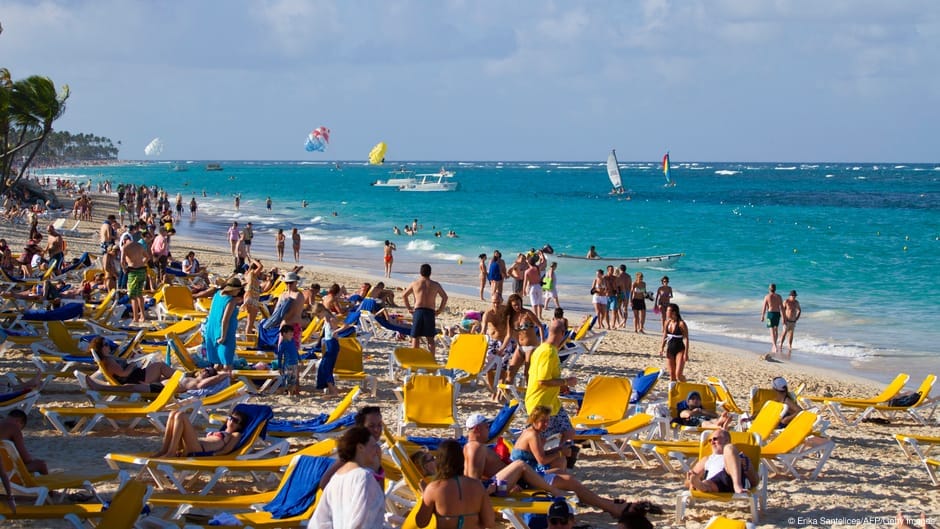
Latin America is experiencing a significant surge in tourism, with international arrivals in South America rising by 7% last year, while Central America saw a 5% increase, according to UN Tourism data. This growth, however, is accompanied by challenges related to overtourism, where the influx of visitors leads to environmental and social issues in some destinations.
Machu Picchu, an iconic Inca citadel in Peru, exemplifies these concerns, attracting up to 5,600 visitors daily. The Peruvian watchdog warned that ticket sales may exceed capacity, raising fears that the site could be placed on UNESCO’s List of World Heritage in Danger, as expressed by the UNESCO World Heritage Committee.
In Ecuador, to protect the Galapagos Islands, the government has increased the entrance fee for foreign visitors to $200 as of 2024. Despite this move, there are calls to develop new hotels and tourist accommodations. Additionally, in Mexico City, a surge of tourists and digital nomads in neighborhoods like Roma and Condesa has sparked protests over rising rents.
At the recent ITB Americas travel trade fair in Guadalajara, experts discussed how to create more sustainable tourism practices. Richard Bazan, a regional manager at Planeterra, noted a shift towards smaller travel groups, with many opting for intimate experiences. He identified a trend of “nature-positive” tourism that supports local ecosystems, stating that even all-inclusive resorts are seeking ways to engage authentically with their surroundings.
Sarah Payne, director of the Reset Tourism Fund at the UnTours Foundation, highlighted that traditional tourism often fails to distribute revenue back to local communities. She emphasized the importance of providing low-interest loans to these communities, allowing them to manage tourism growth effectively.
Sebastian Munoz, co-founder of Rutopia, advocates for tours designed in collaboration with communities, ensuring a sense of ownership over tourism initiatives. He stressed that community input is essential for creating authentic travel experiences.
Bazan emphasized the need for community-driven decision-making in tourism growth, asserting that external actors should focus on amplifying local voices rather than imposing solutions. The positive social impacts of community-based tourism, like reviving cultural practices, demonstrate its potential benefits. Experts agree that fostering respect for local environments can lead to a more fulfilling experience for both visitors and residents.
This conversation about sustainable tourism is ongoing as the industry grapples with balancing growth and responsibility, with no quick solutions on the horizon.
