




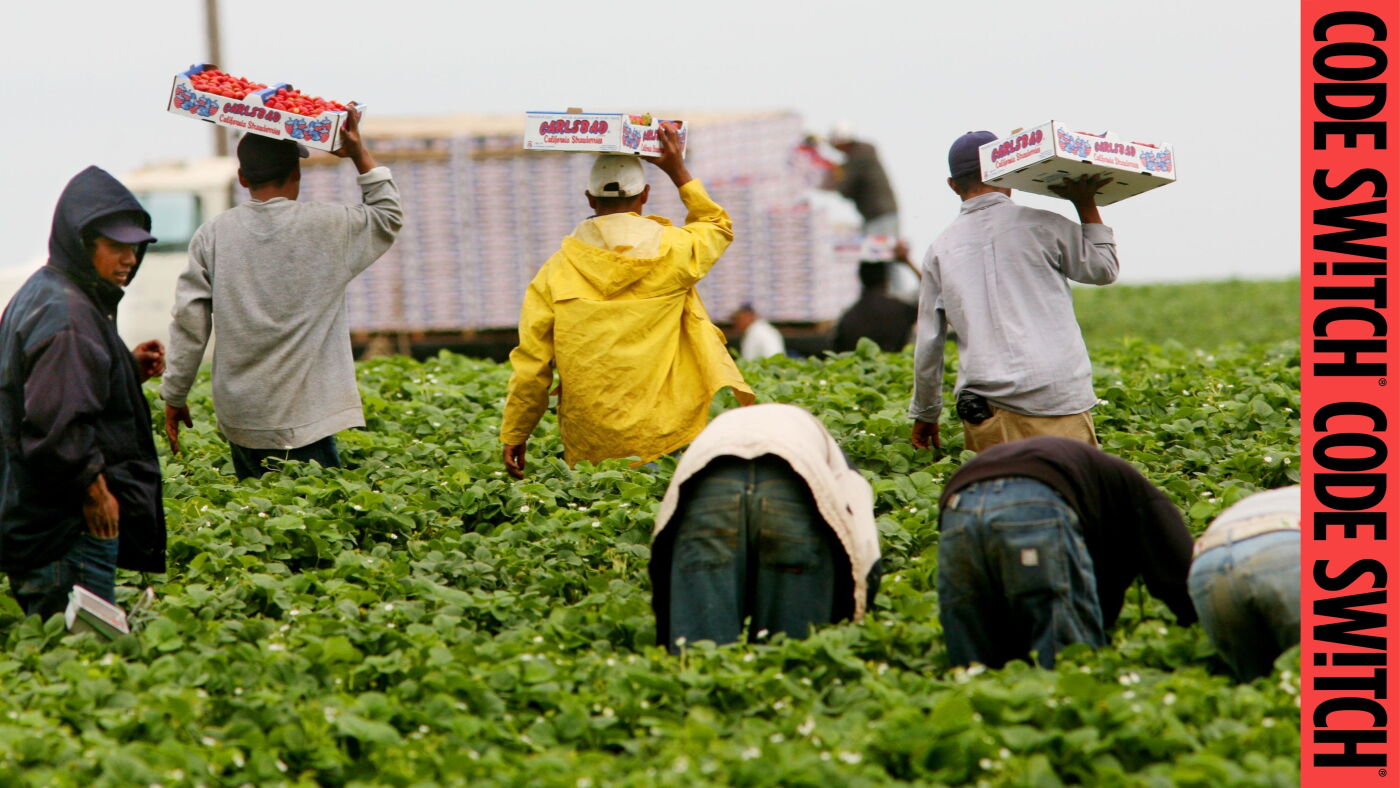
As the United States grapples with immigration policies under the current administration, the agricultural sector faces a growing labor crisis. Recent discussions reveal that while the Trump administration has intensified efforts to restrict immigration, there has been an unexpected exception for the agricultural workforce. The H-2A visa program, aimed at seasonal agricultural labor, is expanding amidst the broader crackdown on immigration, providing a means for farmers to address labor shortages.
The H-2A Visa Program: A Necessary Yet Controversial Solution
The H-2A visa program facilitates the hiring of temporary agricultural workers, allowing farmers to recruit labor from outside the U.S. Approximately 60% of agricultural workers currently lack legal status, making it difficult for farms to meet demand. Reports indicate that since 2012, the use of H-2A visas has skyrocketed by 500%, highlighting a shift in labor dynamics in the farming industry.
Ximena Bustillo, a correspondent covering immigration policy and agriculture, explains that the H-2A program has become a critical lifeline for farmers, especially as many U.S.-born individuals are opting out of farm work. The program requires farmers to demonstrate that they cannot find local labor before hiring through H-2A, leading to increased administrative burdens for growers. Despite necessary regulations, this expansion has garnered discontent across different political groups.
Labor advocates argue that the H-2A program makes workers vulnerable to exploitation. Since the visas are tied to specific employers, workers may fear retaliation for voicing complaints about poor working conditions or pay. This has raised serious concerns about labor rights violations within the agricultural sector, including reports of unsafe working environments and inadequate housing for workers. Furthermore, while some farmers expanding their reliance on H-2A workers claim that these visas help maintain their businesses, others express frustrations regarding costs and complexities associated with the program.
Interestingly, tensions exist within the Republican Party regarding immigration. Some members advocate for preserving legal pathways like the H-2A program, recognizing the economic necessity of foreign labor in farming, while others maintain staunch anti-immigration stances. Legislators such as Glenn Thompson from Pennsylvania have introduced proposals aimed at reforming the H-2A program to streamline access for various agricultural sectors, including dairy farming, which currently does not benefit from the visa.
Across the nation, the tight labor market affects not only farmers but also consumers, as rising labor costs may lead to increased prices for produce. Agriculture relies heavily on a robust labor force, and without sufficient support for both undocumented workers and legal pathways for seasonal labor, the stability of the food supply chain remains at risk.
Why It Matters
The interplay between immigration policy and agriculture underscores broader socio-economic challenges in the U.S. As farmers struggle to adapt to evolving labor needs, the reliance on the H-2A program raises questions about the future of both legal and undocumented labor in the agriculture sector. Understanding and addressing these complexities is crucial for ensuring a sustainable food supply while balancing the rights and welfare of workers.
