




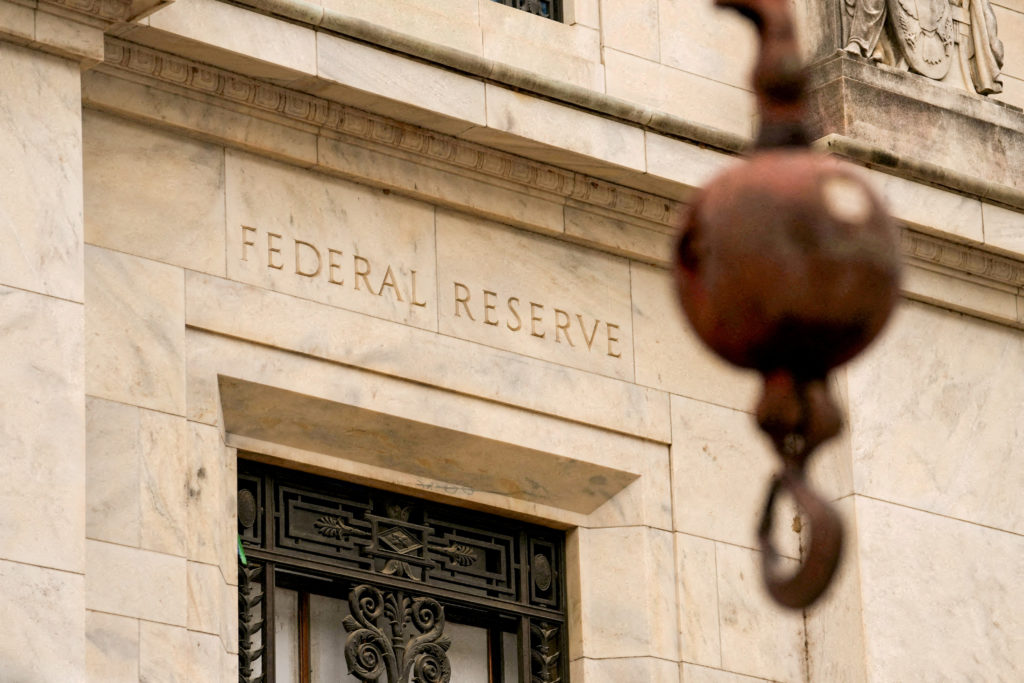
The Federal Reserve’s internal inspector general has concluded that there were significant management issues regarding a multi-billion dollar renovation of its buildings, although no criminal conduct was identified. The findings were released in a detailed report which addressed the oversight of a renovation project that has escalated in cost to $2.4 billion, well above initial estimates when the project began in 2020.
Management Issues Identified in Renovation Project
The inspector general noted that the Board of Governors did not secure a comprehensive cost estimate at the project’s outset, which led to cost overruns exacerbated by inflation. Construction costs skyrocketed after work commenced in 2022, with the report indicating that costs surged from an early projected budget of $921 million to over $2 billion. The expected completion date has now been pushed from mid-2024 to December 2027.
According to the report, the Board failed to effectively manage the renovation contract and deviated significantly from the cost-management protocols intended to keep spending within budget. The former Chair of the Federal Reserve, Jerome Powell, had requested that the inspector general look into the renovation project in response to ongoing concerns.
The report also outlined that not all elements criticized as extravagant by members of the Trump administration, such as marble facades and private elevators, significantly contributed to the rising costs. A notable design change made in 2023, which shifted the plan from open workspaces to closed office spaces, is attributed to the project’s delays and the failure to establish a maximum pricing cap at that stage.
This renovation project had garnered attention in the context of political pressure from the Trump administration, with President Trump himself visiting the site in 2022. He had attempted to advance discussions about lowering interest rates while standing alongside Powell. Investigations were also initiated regarding whether Powell had misrepresented facts during testimony before Congress, but those inquiries were ultimately dropped in April.
The inspector general’s report emphasizes that throughout its investigation, no credible evidence of federal criminal law violations was found, eliminating the need for a referral to the U.S. Attorney General.
Why It Matters: This report sheds light on significant management and planning issues within a critical federal agency, which has implications for transparency and accountability in government spending. It also highlights the complexities that can arise in large public works projects, particularly against a backdrop of political scrutiny and external pressures.
