




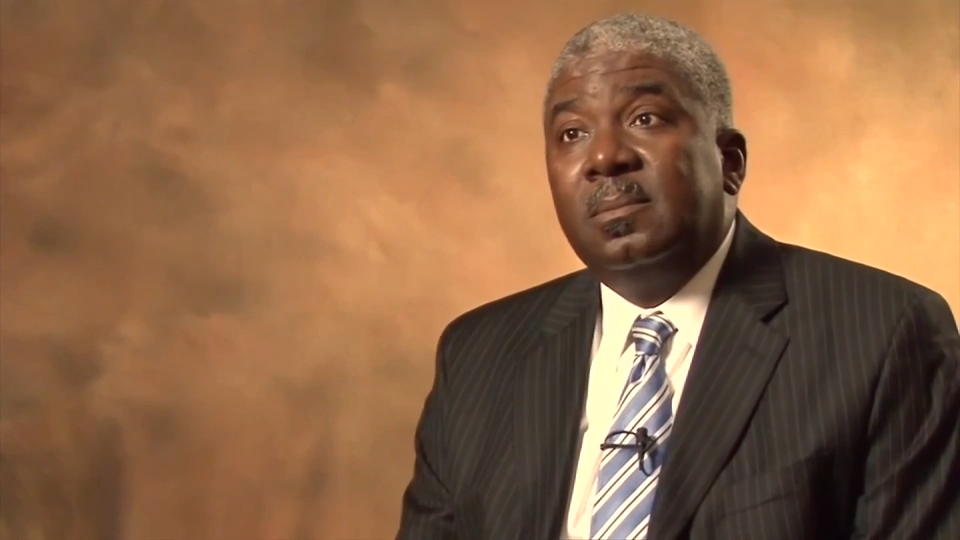
MIAMI — A former Haitian government official and 17 others were arraigned in federal court in Miami on charges related to the assassination of Haitian President Jovenel Moïse in 2021. Joseph Badio, a former employee of the Haitian Ministry of Justice, was transported to court in a wheelchair following his extradition from Haiti.
Details of the Court Proceedings
The defendants were indicted on various charges, with Badio facing allegations of conspiracy. U.S. officials assert that the group, composed primarily of Colombian mercenaries, was involved in a plot to assassinate Moïse with the goal of installing a successor of their choice. Among those indicted is Christian Sanon, a dual Haitian-American citizen residing in Palm Beach County, Florida, who has aspirations of leading Haiti. His trial is set to begin next week.
Badio, who has been linked to Moïse’s assassination, once served in the government’s anti-corruption unit but was dismissed for alleged ethical violations shortly before the assassination. The indictment suggests that he impersonated a U.S. drug agent during the execution of the plot. U.S. Attorney Jason Reding Quiñones indicated that those involved sought financial gain through various illicit opportunities associated with Moïse’s presidency.
The 2021 assassination occurred on July 7 when a group of around 24 foreign mercenaries attacked Moïse’s residence near Port-au-Prince. Since then, multiple investigations into the killing have faced significant challenges, including a series of resignations by judges who feared for their safety and control of the courthouse by local gangs. In 2025, Haitian justice officials solicited assistance from the U.S. and Canada as they announced a renewed investigation into the matter.
In a recent update, it was revealed that the conspiracy to eliminate Moïse involved using funds earmarked for COVID-19 recovery programs to pay mercenaries. This has raised further concerns regarding the misuse of government resources in the plot.
U.S. Magistrate Judge Lisette Reid conducted brief hearings with each defendant and scheduled further court dates. The legal complexities of the case continue to unravel, especially for Christian Sanon, whose attorney has expressed concerns about new information emerging from the recently unsealed indictment.
Haiti has not had a functioning president since Moïse’s death, leading to a surge in gang violence and instability. As reported by the U.N., over 3,000 people were killed in gang-related incidents by mid-2023, and approximately 1.5 million individuals have been displaced as a result of this violence.
Why It Matters
This case exemplifies the ongoing turmoil in Haiti, highlighting the challenges the nation faces in achieving stability and justice following the assassination of its leader. The involvement of international actors and the complexities of the legal proceedings underscore the broader implications for governance and security in the region.
