




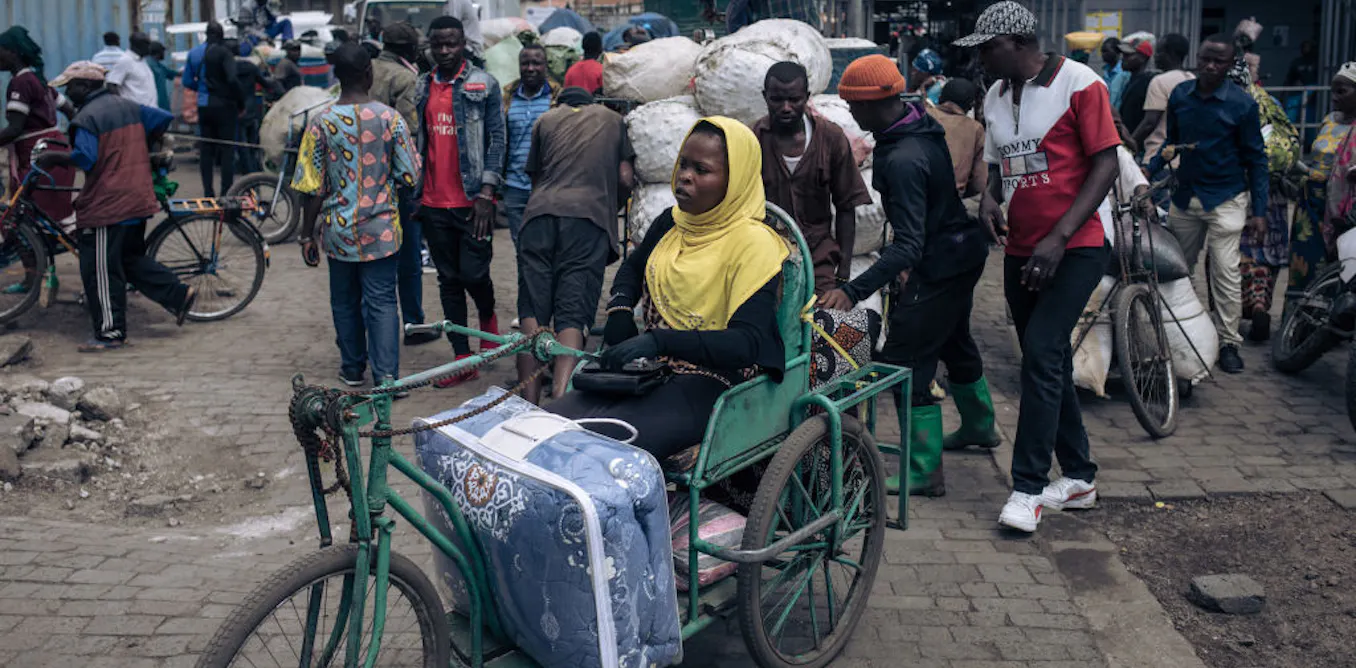
The African Continental Free Trade Area (AfCFTA) aims to create a seamless continental market to enhance trade among African nations and alleviate poverty. Despite its ambitions, small-scale cross-border traders, who contribute significantly to local economies, have not been adequately considered in the policies associated with this initiative.
These traders are vital not only for connecting local markets but also for sustaining household incomes throughout the continent. However, the role of these small-scale entrepreneurs is often overlooked by policymakers. The need for attention to their contributions has become increasingly urgent as international development assistance faces substantial cuts. According to a report from the Organisation for Economic Co-operation and Development (OECD), official development assistance globally decreased by 23.3% in 2025, with further declines projected for 2026.
In light of these reductions, strengthening domestic economic activities and optimizing access to regional markets has become critical. Research from experts focusing on marginalized actors and informal trade reveals that small-scale cross-border traders are essential to realizing the regional trade goals set forth by the AfCFTA. This perspective emphasizes that existing economic policies must reflect the on-ground realities faced by these traders.
The Scale and Significance of Informal Trade
Informal cross-border trade often takes place outside formal commercial structures, involving transactions where individuals buy goods in one country to sell in another. The United Nations Economic Commission for Africa estimates that this informal trade could be worth between $10 billion and $24 billion annually, which amounts to about 30% to 72% of formal trade between neighboring countries. Additionally, in the Southern African Development Community alone, informal trade has been valued at $17.6 billion, with women comprising approximately 70% of those engaged in this sector.
These figures, while significant, are treated as estimates due to inconsistencies in capturing informal transactions. This lack of accurate data poses a risk of underestimating the interdependence of neighboring economies, which could hinder effective policy-making and regional economic strategies.
Informal trade serves as a critical route to entrepreneurship, especially for women and young people, providing income opportunities in contexts where formal employment is sparse. However, the sector is not without challenges; issues related to tax evasion and customs evasion often accompany informal trading practices, which expose many traders to potential exploitation.
Policy Recommendations for Inclusive Trade
The AfCFTA presents an opportunity to foster regional economic integration and boost trade among African nations. However, reducing barriers for formal businesses alone does not guarantee accessibility for small-scale traders. Various hurdles such as complex customs procedures, corruption, and limited access to financial resources often impede their capacity to engage in formal trading.
To make a noticeable difference, several practical changes are recommended:
-
Enhance accessibility to trade information and border procedures, including clearer customs guidance and simplified processes for small shipments.
-
Develop better data-gathering methods for informal cross-border trade to help governments understand its scope and requirements.
-
Incorporate the perspectives of small-scale traders into trade policy discussions, allowing them to identify unnecessary costs and necessary protections.
These measures should be geared toward creating a more inclusive trade environment, ensuring financial services align with the needs of informal traders while allowing for realistic pathways into formal trading arrangements.
While informal cross-border trade alone cannot address all of Africa’s development financing needs, recognizing and supporting this sector could enhance existing economic links and benefit communities across national borders. Improved data collection and responsiveness to traders’ circumstances would be pivotal in enabling more effective regional integration efforts.
