




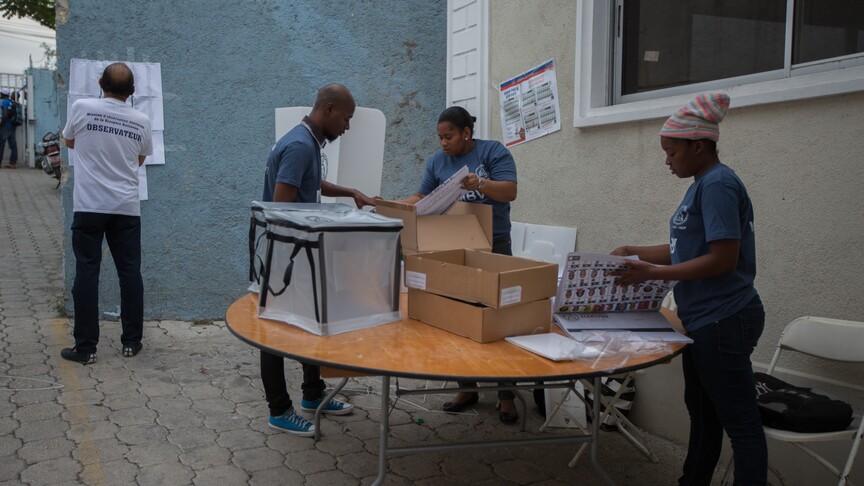
Haiti has indefinitely postponed its long-awaited general elections due to escalating gang violence, territorial blockades, and administrative challenges, according to the Provisional Electoral Council. In a statement released on Monday, the council noted that recent amendments to the Electoral Decree adopted on October 5, 2026, necessitated the rescheduling of certain electoral deadlines.
The electoral campaign period is currently suspended, and new election dates will be announced once the council finalizes an updated framework in collaboration with political parties. To facilitate participation, the council has extended the online registration deadline for candidates and document submissions to October 31, while encouraging eligible citizens to continue enrolling in voter rolls.
The elections were initially set for December 13, where voters were expected to choose a president, along with all members of the Senate, the Chamber of Deputies, departmental assemblies, and municipal administrations. The country has not held a general election since 2016 and currently lacks any nationally elected officials.
Haiti’s political landscape has been tumultuous since the assassination of President Jovenel Moise in July 2021, which deepened the existing political vacuum as legislative terms expired. Governance has been in the hands of a transitional framework since 2024, led by the Transitional Presidential Council and appointed Prime Minister Alix Didier Fils-Aime, who governs primarily by decree.
The mandate of the Transitional Presidential Council expired in February; however, Fils-Aime and his cabinet continue to oversee the interim period. Gang activity poses a significant threat, with armed groups controlling large areas of Port-au-Prince and surrounding regions, leading to the displacement of approximately 1.5 million individuals and disrupting essential transit routes for voting materials.
In response to the ongoing violence, a UN-backed Gang Suppression Force is currently operating across the country, aiming to restore security and create conditions conducive to future elections.
