




The upcoming general election in Britain is poised to result in a hung parliament, as indicated by a recent YouGov MRP poll forecasting no party will achieve a clear majority. The Labour Party is projected to secure the largest share of seats, totaling 241, although this falls significantly short of the 326 needed for an outright majority. The Conservative Party is expected to garner 130 seats, followed by Reform with 123, the Liberal Democrats at 71, and the Green Party sitting at nine seats. This electoral landscape suggests potential coalition negotiations may become necessary.
Potential Coalition Scenarios
Historically, Britain has shown a reluctance toward coalitions. However, if the predictions hold, several coalition scenarios may emerge. A Labour and Liberal Democrat coalition, while potentially viable, would still not reach the required majority threshold of 326 seats, combining for a total of approximately 312 seats. Ed Davey, leader of the Liberal Democrats, did not categorically dismiss the possibility of collaborating with Labour when approached on the topic.
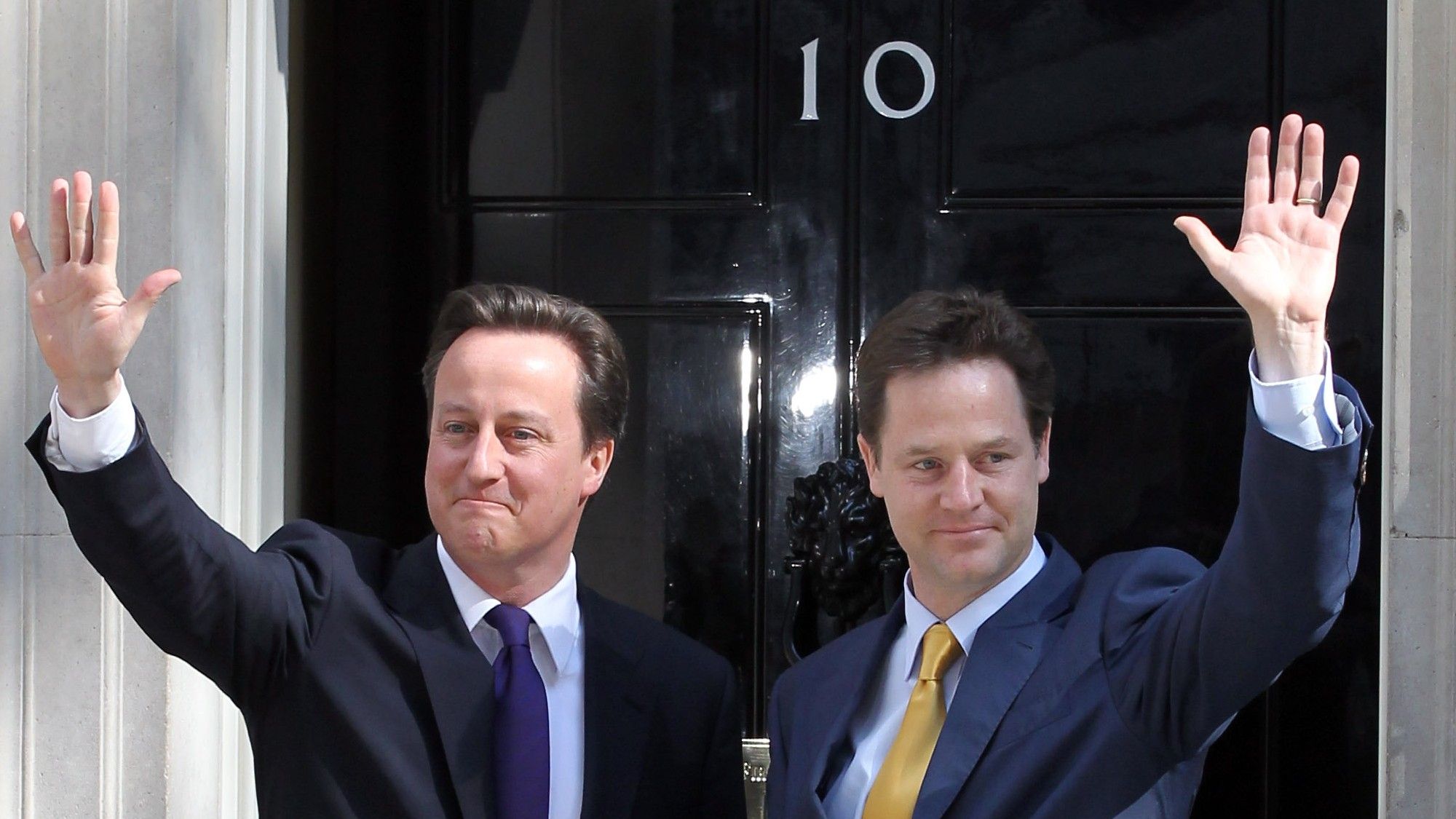
In contrast, a coalition between the Conservative Party and the Liberal Democrats seems unlikely. Davey has expressed moral objections to collaborating with the Conservatives, particularly in the context of preventing a resurgence of figures like Nigel Farage. His party’s previous experience in coalition government, notably with the Conservatives from 2010 to 2015, ended poorly for the Liberal Democrats, contributing to their significant seat loss in subsequent elections.
Reform’s projected 123 seats marks a notable decline for the party, which had higher expectations last year. Leader Nigel Farage has dismissed the idea of an electoral pact with the Conservatives, emphasizing a lack of trust. Kemi Badenoch, a key Conservative figure, has similarly ruled out the possibility of a merger with Reform, suggesting internal party divisions complicate such alliances.
Another potential coalition could involve a broader “progressive alliance” incorporating Labour, the Liberal Democrats, the Greens, and possibly the Scottish National Party (SNP). This combination could yield roughly 321 seats but would still necessitate additional support to achieve a majority. The intricacies of forming such a coalition would require navigating differing priorities among the involved parties, which may further complicate negotiations.
Why It Matters
The formation of a coalition government following the next general election will significantly affect the political landscape in Britain. With no party expected to achieve a majority, the dynamics of potential alliances will shape policy decisions and legislative outcomes in the coming years. Understanding these coalition scenarios is crucial for voters and political analysts alike, as they prepare for a potentially unprecedented political environment.
