




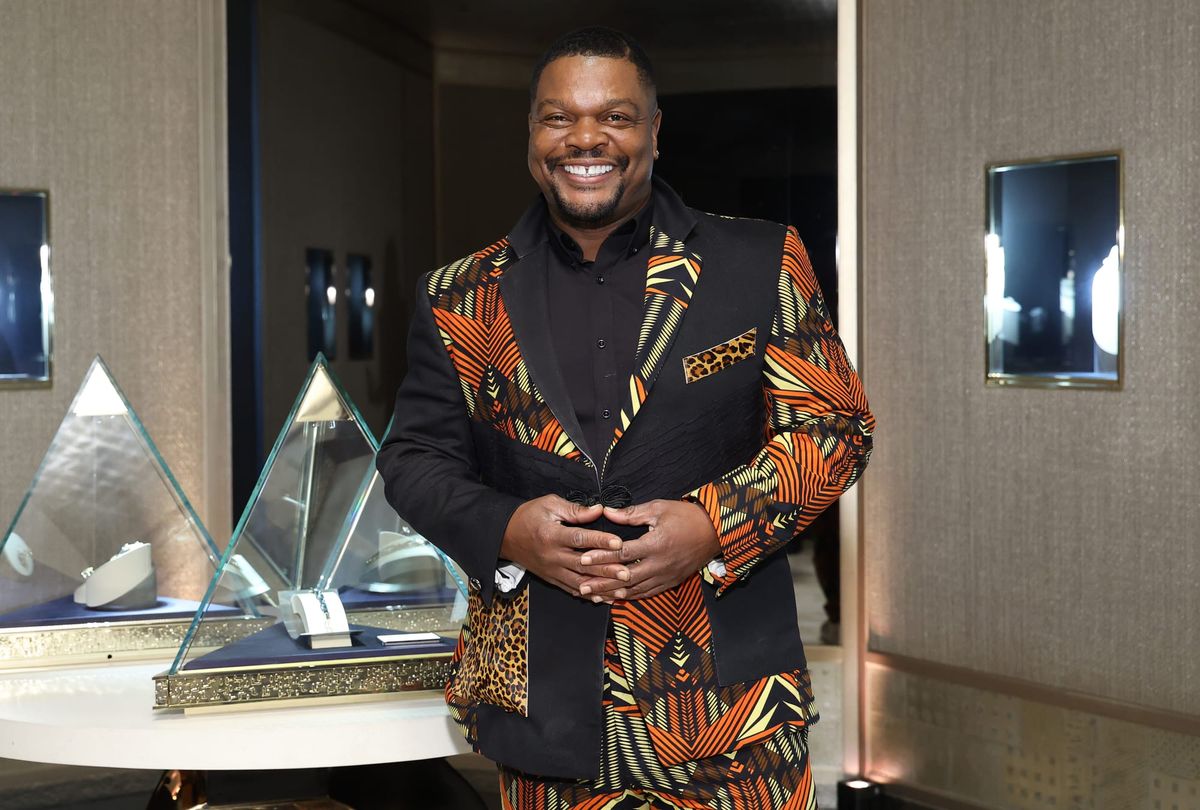
Kehinde Wiley Seeks to Reacquire Painting Removed from U.S. Embassy
Kehinde Wiley, an acclaimed American artist, has formally requested to buy back his painting titled “Young Artists After Siamesas 1960” after it was removed by the U.S. State Department from the American embassy in the Dominican Republic. Wiley’s letter addressed to President Donald Trump was sent on September 24, 2026, following the painting’s removal in August.
The State Department executed the removal at the direction of officials backed by Trump, including Leah Campos, the U.S. Ambassador to the Dominican Republic, and Erin Scavino, who oversees the State Department’s Art in Embassies program. The decision was reportedly made due to criticisms regarding the artwork’s message, described by officials as “violent and racist words and depictions.”
In a letter, Wiley expressed disappointment and requested the opportunity to repurchase the work, stating his intention to create the piece for a specific context and with purpose. He noted the two years he spent researching Dominican artists and collaborating with young artists in Santo Domingo during the painting’s creation. Wiley’s gallery, Sean Kelly, shared the letter publicly on social media but has not provided any further commentary regarding the situation.
As of now, the State Department is in discussions regarding the legal aspects of selling the artwork, though no definitive decision has been reached.
### Context of the Removal
Wiley’s removal from the embassy has sparked a conversation about the role of art in diplomatic spaces, illustrating the ongoing tension between artistic expression and political sensibilities. Wiley is known for his contemporary reinterpretations of classical portraiture and often engages with themes of race and identity.
In August, a spokesperson for the State Department indicated that officials were consulting with legal advisors to determine the future of the artwork. The request from Wiley to repurchase his painting adds a personal dimension to this decision, highlighting the challenges artists may face when their works enter the realm of government and diplomacy.
### Why It Matters
This situation raises important questions about artistic freedom and the influence of political views on cultural representations. Wiley’s request to reclaim a piece of his work reflects broader issues within the arts community regarding censorship and the impact of political decisions on creative expression. As discussions continue about the painting’s future, the case underscores the intricate relationship between art and power.
