




The upcoming gubernatorial elections in Texas, Oregon, Ohio, Georgia, and Kansas have emerged as key contests that could shift the political landscape in the United States. As candidates prepare for November, polling trends suggest both challenges and opportunities for Democrats and Republicans alike.
Texas: A Pivotal Showdown
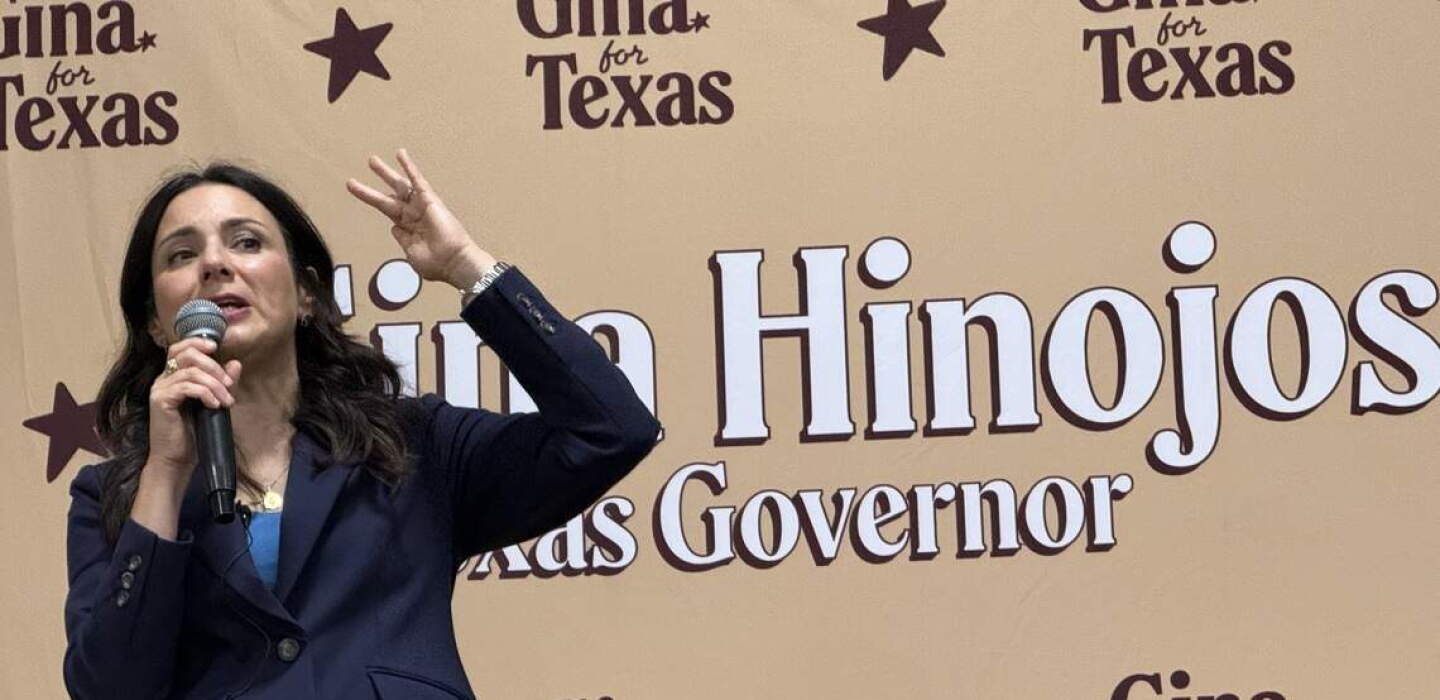
In Texas, the gubernatorial race features incumbent Republican Governor Greg Abbott facing Democratic state Representative Gina Hinojosa. Recent polls indicate Hinojosa is gaining ground, with some showing her within the margin of error against Abbott. This contest is framed as particularly critical given Texas’s Republican stronghold since 1998. Analysts suggest that Abbott’s vulnerability stems from a combination of factors, including President Donald Trump’s popularity decline, high gas prices, and general dissatisfaction over increasing living costs.
Hinojosa’s campaign focuses on “economic populism” rather than progressive ideals, aiming to attract moderate and independent voters. While Abbott has considerable campaign resources, Hinojosa’s recent momentum may suggest a competitive race ahead.
Oregon: Incumbent at Risk
In Oregon, Democratic Governor Tina Kotek is facing a rematch against state Senator Christine Drazan. Polls show Drazan with a narrow lead as voters express concerns over high taxes, cost of living, and homelessness. Kotek’s approval ratings have stagnated, raising concerns about her re-election potential in a state typically viewed as a Democratic stronghold.
Kotek’s previous promises on housing affordability and homelessness appear unfulfilled, and attempts to increase the gas tax were overwhelmingly rejected by voters. Despite a fundraising advantage, her campaign’s waning favorability has made this election increasingly uncertain.
Ohio and Georgia: Tossup Territories
Ohio and Georgia feature competitive gubernatorial races that are being closely watched. In Ohio, Democratic former state health director Amy Acton has gained a polling edge over Republican Vivek Ramaswamy, despite early expectations favoring the latter. Ramaswamy’s personal wealth presents both an advantage and a campaign challenge.
In Georgia, the race pits Republican candidate Rick Jackson against former Atlanta Mayor Keisha Lance Bottoms, who aims to make history as the first Black woman governor. With both states rapidly shifting politically, a Democratic victory could indicate broader changes in electoral dynamics moving forward.
Kansas: A Surprising Contest
In Kansas, Democratic gubernatorial candidate Cindy Holscher trails Republican state Senator Ty Masterson. Polling shows a competitive race for a U.S. Senate seat with Democratic candidate Adam Hamilton holding a slight lead. The state has a history of surprising electoral outcomes, as evidenced by earlier abortion rights measures being rejected.
Some see potential for late-stage shifts in both gubernatorial and Senate contests due to rising Democratic engagement and national support.
Why It Matters
The outcome of these gubernatorial elections could significantly influence political power dynamics in upcoming years. A shift toward Democratic leadership in traditionally Republican states may reshape party strategies, voter engagement, and policy priorities across the country.
