




Punta Cana: A Focus of Caribbean Tourism Development
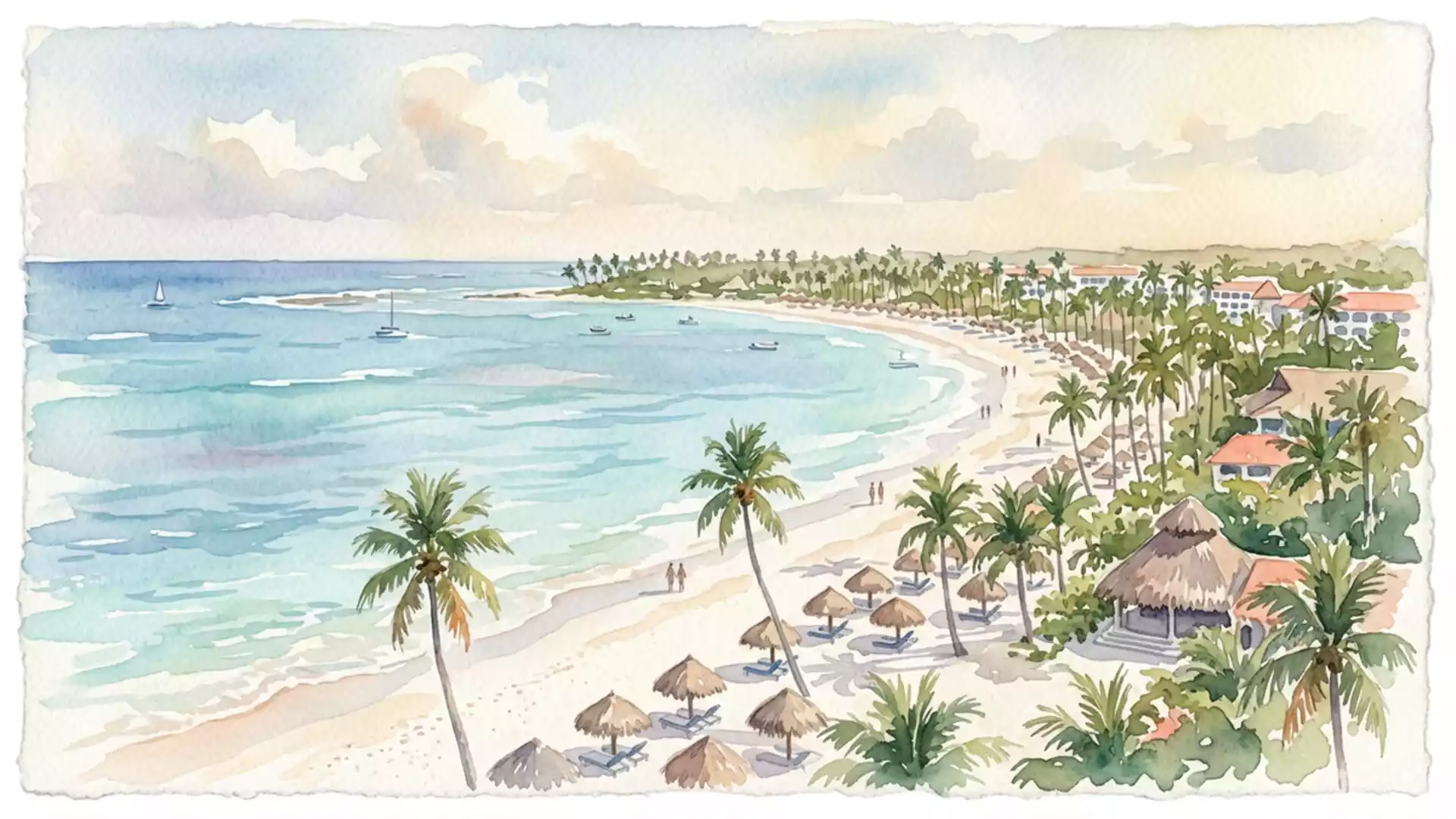
Punta Cana, located on the eastern edge of the Dominican Republic in La Altagracia Province, has emerged as a prominent resort town known for its picturesque coastal landscape and attractions. The town’s development is significantly shaped by its location along the Caribbean Sea, characterized by inviting white sandy beaches and a well-established tourism infrastructure, including the Punta Cana International Airport.
Punta Cana is positioned within the Verón–Punta Cana touristic municipal district under the jurisdiction of Higüey. The establishment of the airport has made the destination easily accessible for travelers, serving as a vital point for arrival and departure. Historically, the area was known as Punta Borrachón, but over time it has been rebranded as Punta Cana, which is derived from the types of cane palms that once thrived in the region.
The transformation of Punta Cana into a resort destination is closely associated with the land acquisition efforts of Frank Rainieri and Theodore Kheel, whose activities in 1969 marked the beginning of the area’s shift from a sparsely populated coast to a well-planned holiday locale. The introduction of major tourism ventures, such as Club Med, further solidified Punta Cana’s place in the global vacation market. Following the opening of Punta Cana International Airport in the early 1980s, the area witnessed extensive development, including resorts, roads, and maintained beaches.
La Altagracia Province, where Punta Cana is situated, is the easternmost province of the Dominican Republic and uniquely borders both the Caribbean Sea and the Atlantic Ocean. This geographical setting contributes to the area’s appeal as a tourism corridor, connecting visitors to surrounding areas like Bávaro and Verón. The coastal geography, predominantly flat and sandy, enhances the region’s resort-centric lifestyle, favoring expansive stretches of land arranged for visitor enjoyment.
Visiting Punta Cana offers travelers a distinctive experience characterized by its beach resorts and convenient airport access. The primary entry point, Punta Cana International Airport, facilitates easy travel to and from the resort zones, which are primarily reachable by road. Visitors should expect a flat terrain with limited elevation, requiring longer distances for navigation between various services and amenities. The local culture is expressed in its official language, Spanish, and is underscored by the use of the Dominican peso.
Why It Matters
The evolution of Punta Cana illustrates the significant impact of tourism development on local economies and cultural identities. Its ability to link natural beauty with modern conveniences showcases the potential for transforming regions into global destinations, highlighting both the opportunities and challenges associated with rapid development in sensitive coastal environments.
