




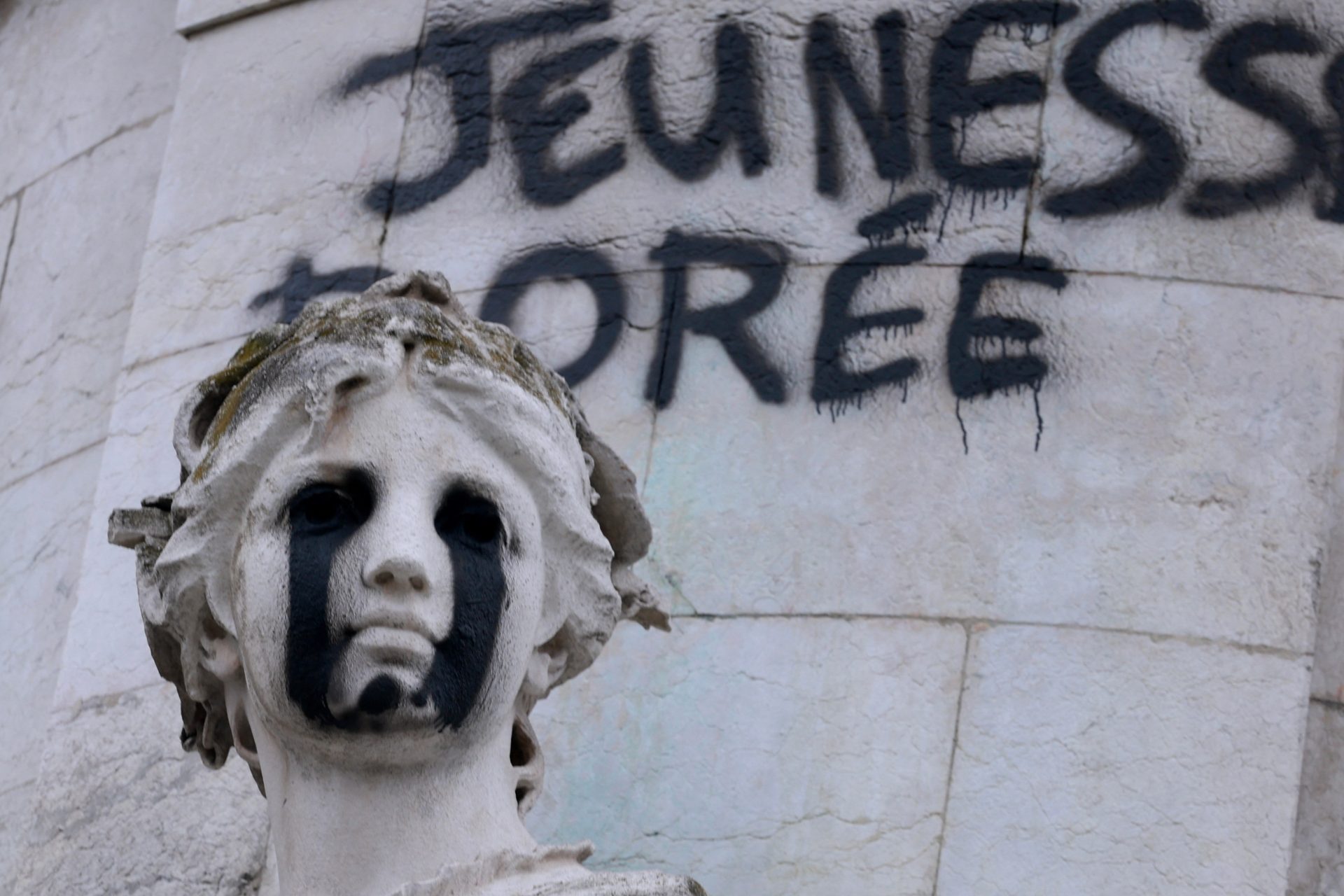
Young people across Europe are increasingly taking to the streets to voice their discontent, with protests erupting in multiple countries, including France, Italy, Spain, and Belgium. While the demonstrations in France have gained significant media attention—marked by violent clashes, looting, and the destruction of public property—similar unrest has been witnessed elsewhere, reflecting a broader disillusionment among the youth. In Serbia, a student-led movement has recently achieved a political breakthrough by winning a general election, ending the long-standing rule of Aleksandar Vučić.
The causes behind the protests vary by region: issues range from education and housing to the cost of living and government corruption. Nonetheless, a common theme unites the demonstrations. Many young Europeans feel that their prospects for the future have been compromised. The traditional social contract that promised stability and upward mobility appears to have eroded, leaving younger generations to navigate a precarious economic landscape filled with temporary jobs and soaring living costs without the safety nets once provided by educational and social institutions.
Many analysts attribute the unrest to the effects of neoliberal policies that have shaped Europe over the past few decades. These policies have exacerbated inequality, with notable disparities emerging along generational lines. In France, for instance, roughly 60% of the nation’s wealth is held by those over 60, who also receive a substantial portion of social spending, often at the expense of younger individuals. This has led to claims that the current economic system favors older generations, creating frustration among the youth who feel disenfranchised.
Despite framing their grievances in generational terms, the protestors have generally avoided blaming older generations directly. Many recognize that the challenges faced today are rooted in broader systemic issues, including labor market reforms and austerity measures that have limited economic opportunities for newcomers to the workforce. The pandemic and subsequent inflation have compounded these challenges, leaving young people struggling to secure stable employment.
Amid these challenges, protests have taken on various forms, with some being peaceful while others have seen violence and looting. The situation has drawn a diverse range of participants, including second-generation youths from immigrant backgrounds, raising discussions around social cohesion and the complexities of modern European identity. While some conservatives attribute the unrest solely to immigration issues, many protestors have expressed solidarity across ethnic lines, combining their calls for change into a broader movement against the status quo.
As protests continue, many young people are linking their economic struggles to government spending priorities, particularly concerning defense and military aid. Recent calls from EU leaders for additional funding for military efforts have drawn ire from those who argue that essential public services are being neglected. This sentiment has ignited debates about the allocation of resources and the perceived lack of support for younger generations.
Looking ahead, the discourse surrounding the unrest raises pivotal questions about the future direction of European society. Advocates for systemic change call for increased investment in education and housing, higher wages, and economic redistribution that addresses the wealth disparity fueled by decades of neoliberal policies. The recent success of the student movement in Serbia serves as a potential blueprint for fostering cross-generational support for change, suggesting that similar outcomes may be achievable elsewhere in Europe.
