




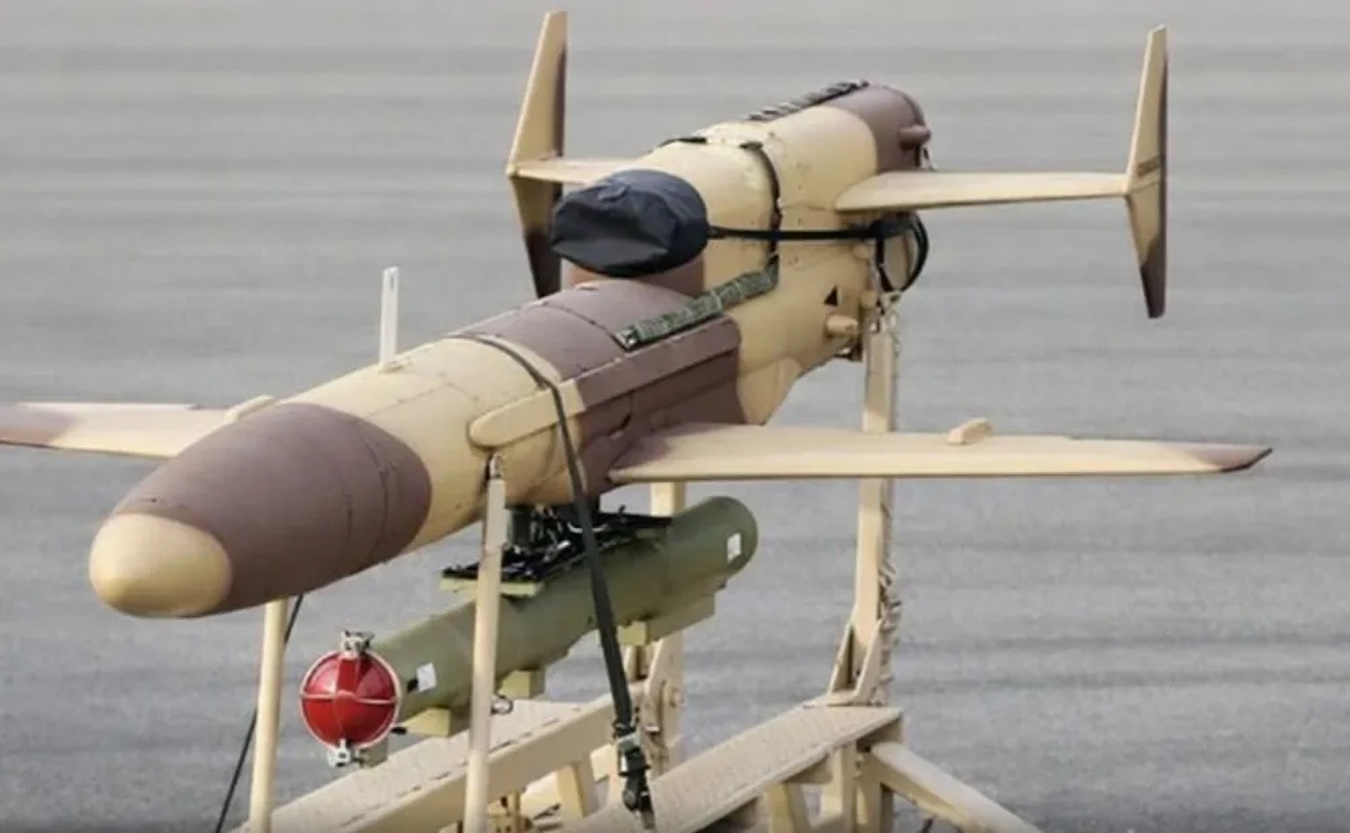
The ongoing air conflict between Russia and Ukraine has witnessed significant advancements, particularly highlighting the recent deployment of Russia’s long-range, jet-powered drone, the Geran-5. This new generation of drones is proving to be a formidable challenge for Ukraine’s air defenses.
Impact of the Geran-5 Drone
Ukrainian Air Force spokesperson Colonel Yuriy Ihnat indicated in a recent interview that Ukraine’s interception rate for the Geran-5 drone stands at approximately 60%. In contrast, Ukraine reports a 95% success rate against other types of drones. The design of the Geran-5, characterized by a cylindrical fuselage and straight wings, resembles that of a cruise missile, which allows it to evade detection more effectively.
Reports suggest that the Geran-5 boasts a range of up to 1,000 kilometers and an operational altitude of around 6,000 meters, features that surpass earlier drone models. Additionally, with a top speed of about 600 kilometers per hour, the Geran-5 is equipped with anti-jamming technology, complicating interception efforts by ground-based air defenses.
In light of the increased threat posed by these drones, Ihnat mentioned that Ukrainian pilots are now engaging in the direct shooting down of these drones with fighter jets, reflecting a shift in tactics since the Geran-5’s introduction in August.
The Geran-5’s effectiveness also arises from its advanced capabilities. Military expert Yuri Knutov noted that the drone utilizes machine vision linked to digital terrain mapping, enabling it to autonomously identify and strike targets. This represents a significant tactical advancement in drone warfare.
Since the onset of the conflict, both Russia and Ukraine have adapted their air strategies, shifting from combat aircraft to increasing reliance on unmanned drones. Early in the war, both sides predominantly used combat aircraft for direct engagements and ground support. However, as air defenses improved, long-range tactics and drone usage gained prominence.
Russian military intelligence has reported that the country prioritizes the production of Geran-4 and Geran-5 drones to enhance its stockpile ahead of expected intensified operations in the coming months. However, Ukrainian military intelligence indicates that Ukraine is facing challenges in maintaining sufficient stocks of Western-supplied Patriot missile systems, regarded as the most effective defense against the Geran-5.
Major General Vadym Skibitskyi from Ukraine’s military intelligence highlighted the urgent need for new interceptor missiles capable of countering these advanced drones, emphasizing the evolving nature of the aerial conflict.
In summary, the recent developments surrounding the jet-powered Geran-5 drone signify a critical evolution in the air war over Ukraine, underscoring the ongoing adjustments and technological advancements from both sides involved in the conflict.
Why It Matters
The introduction of advanced drones like the Geran-5 not only transforms operational tactics but also poses significant implications for air defense strategies in modern warfare. As both nations adapt to these advancements, the conflict’s dynamics shift, with potential repercussions on military engagements and broader geopolitical stability in the region.
