




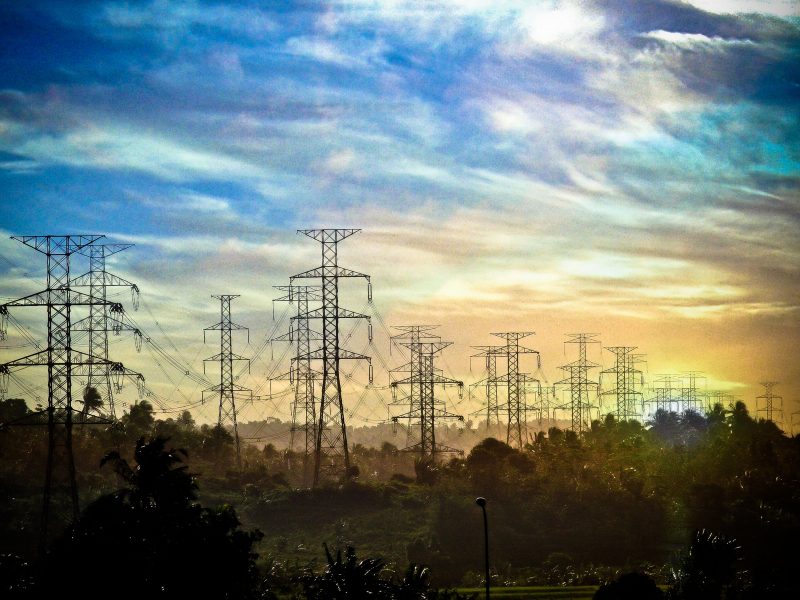
Many Asian countries are struggling to transition to renewable energy due to outdated power systems and regulations that favor fossil fuel generation, according to a report from the civil society organization Solutions For Our Climate (SFOC). The findings were presented during a workshop in Bangkok earlier this week.
South Korea and Japan, both advanced economies with ample resources for investment in grid infrastructure, have been criticized for restricting equitable access to their power grids. These limitations were highlighted by SFOC as part of a discussion focused on energy integration and market reform.
Most Asian governments are actively pursuing electrification and expanding renewable energy sources to meet growing demand from sectors such as AI data centers. In South Korea, President Lee Jae Myung’s administration has announced plans to develop an ‘Energy Highway’ and aims to increase renewable energy capacity to over 100 gigawatts by 2030. However, issues around timely grid access for these projects remain a concern.
In Chungcheong province, SFOC noted that plans for offshore wind development are underway to replace the area’s aging coal infrastructure. Nonetheless, grid access for these renewable projects is not expected until at least 2032, creating significant delays.
According to SFOC, the challenge lies not only in building more transmission infrastructure but also in addressing how power systems are influenced by the interests of fossil fuel incumbents. The organization emphasized the urgent need for reforms to ensure fair grid access and additional investment in new transmission solutions throughout the region.
Gahee Han, head of power market and grid initiatives at SFOC, remarked on the shared issues faced by East and Southeast Asia. “It’s surprising to see that these regions experience similar challenges regarding unequal grid access for renewable energy, leaving fossil fuel generation protected while renewable projects are delayed,” she stated.
The Bangkok workshop brought together various civil society organizations from across the region to discuss common barriers to renewable energy integration and to develop coordinated action strategies. Participants highlighted the importance of prioritizing grid reform in future energy planning across Asian nations.
The current discussions and findings aim to push for significant changes in policy and infrastructure that could facilitate a more rapid transition to renewable energy in the face of existing obstacles.
