




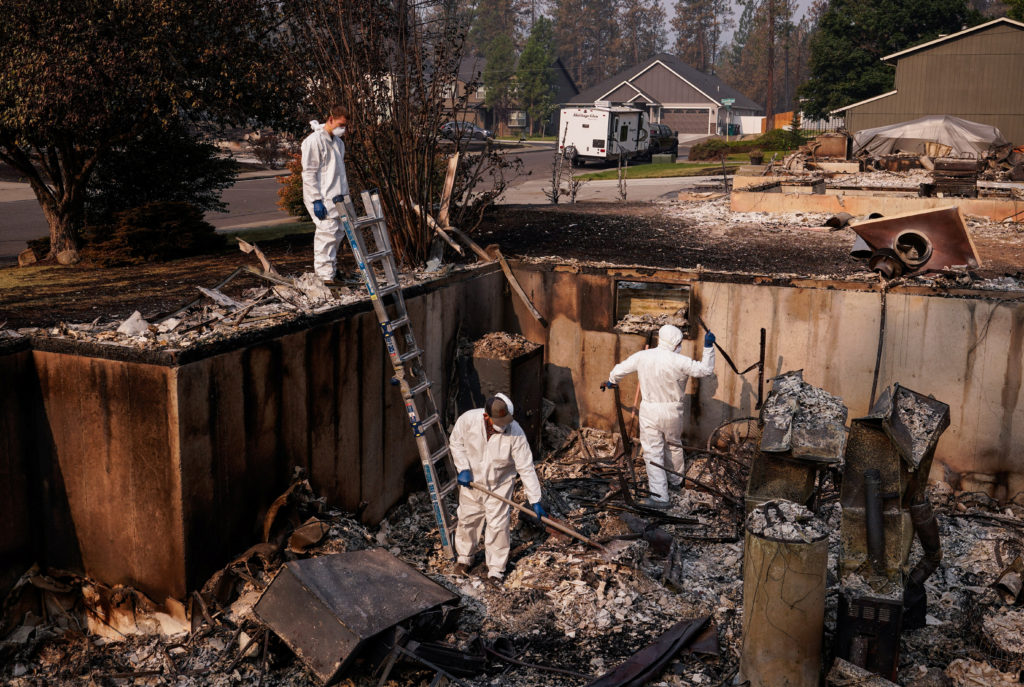
This year has seen one of the most severe wildfire seasons in the United States in over a decade, with increased occurrences and acreage burned compared to previous years. As fire seasons lengthen, timely detection has become essential to mitigate the threat posed by wildfires. Special correspondent Ben Tracy from Climate Central reports on innovative technologies that are aiding in early fire detection.
Technological Advances in Fire Detection
The year 2026 has marked a troubling trend for wildfires, particularly highlighted by catastrophic events in Washington State. A record number of fires and burned land has raised alarms, as nations globally, including those in Europe, combat their most significant wildfire challenges in recent history.
To address this growing crisis, cutting-edge technology is being employed. In July, a rocket launched off the California coast deployed three new satellites known as FireSat, part of a planned fleet of 50. These satellites are specifically designed to identify new wildfire occurrences anywhere on Earth within 20 minutes, including small fires like beach bonfires.
On the ground, Pano AI, a startup based in San Francisco, has established over 1,400 high-resolution cameras across 17 states. According to Arvind Satyam, co-founder of Pano AI, these cameras utilize artificial intelligence to detect smoke and heat signatures, making them effective tools in spotting fires early. Once something is flagged, a human analyst reviews the imagery and alerts local fire agencies shortly.
Brendan Finnegan, Assistant Chief of West Metro Fire Rescue in Colorado, has emphasized the advantages these technologies provide, particularly in delivering early alerts before emergency calls are received. He considers such systems critical amid the increasing wildfire threats.
Climate change continues to exacerbate conditions for wildfires, with regions in the West now experiencing two additional months of fire-prone weather compared to trends observed in the 1970s. Phillip Selegue, Chief of Cal Fire, oversees a network of over 1,200 AI-enabled cameras in California known as ALERTCalifornia. He indicates that these systems have detected fires before 911 calls are made around 50% of the time, providing significant lead time for intervention.
In one recent instance, a camera near Fresno identified a fire 20 minutes prior to the first emergency call, which enabled a rapid response that quickly contained the incident. Selegue pointed out that his agency aims to suppress 95% of wildfires at ten acres or less and noted that these technologies play an essential role in achieving this goal.
These advancements in early detection signify a crucial shift in wildfire management, allowing for quicker response times and potentially reducing the impact of wildfires on communities.
Why It Matters
As wildfire incidents continue to rise in frequency and severity, advancements in detection technologies are becoming indispensable for effective fire management. By enabling faster responses to emerging threats, these innovations not only protect ecosystems but also safeguard lives and property.