




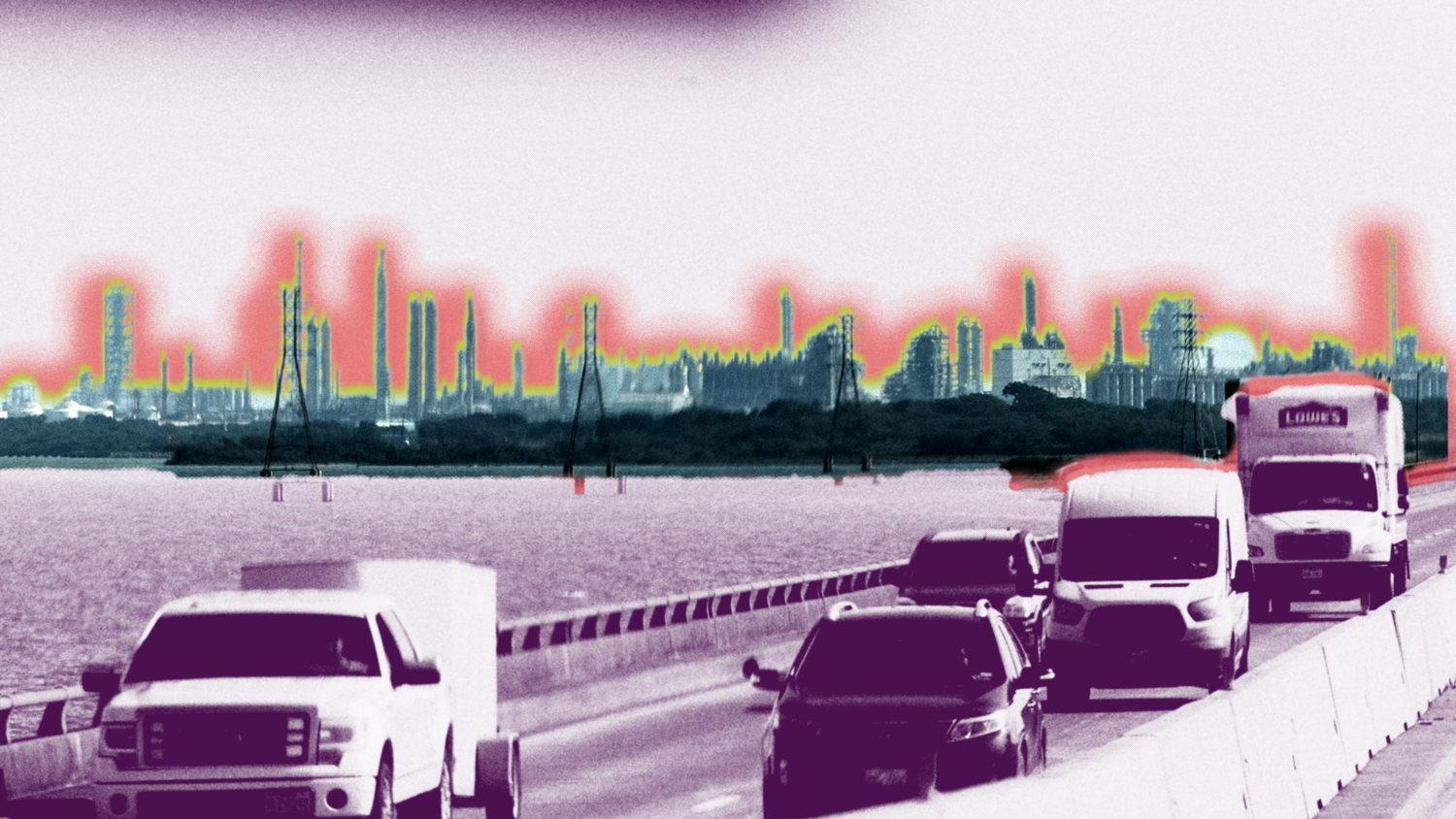
Point Comfort, Texas — Formosa Plastics, a Taiwan-based company, has faced significant scrutiny for its environmental and workplace safety practices at its Point Comfort plant. Established in 1983, the facility has a long history of violations and safety incidents, yet Texas regulators have consistently allowed the company to expand operations and evade steep fines for serious infractions.
Regulatory records indicate that the Texas Commission on Environmental Quality (TCEQ) has granted Formosa permission for ten expansions in the past 16 years. Despite a record of 587 environmental violations since 2010, the company has faced penalties for only 71 of these incidents, amounting to approximately $1.4 million, a figure described as trivial given Formosa’s annual revenues, which reached $4.4 billion last year.
Formosa primarily produces PVC resin, which relies heavily on hazardous chemicals like vinyl chloride and ethylene dichloride. These substances have been flagged by the U.S. Environmental Protection Agency for their health risks, including cancer. Accidents and emissions events at the Point Comfort facility have reportedly increased, with around 40% of the emissions events involving vinyl chloride.
A recent investigation revealed troubling findings about Formosa’s workplace safety record. Between 2020 and 2025, the plant recorded more worker injuries than several other large Texas chemical facilities combined. In the months leading up to this year’s report, Calhoun County’s Emergency Communications Division logged 27 medical emergency calls from the plant, significantly surpassing previous years’ totals.
In terms of hazardous waste management, Formosa stored some wastes without proper permits for 18 years. When discovered, the TCEQ imposed a fine of only $103,000, substantially lower than the nearly $51 million maximum possible penalty for such a violation. In August, the plant was cited for its 43rd air-pollution violation in a single year, yet it was still granted approval to expand further into Jackson County for a new production unit.
Despite the numerous red flags raised by its operational history, TCEQ classifies Formosa as a “satisfactory performer.” This status allows the company to bypass stricter oversight, further raising concerns about public health and safety in the surrounding communities. Critics, including former TCEQ and EPA officials, argue that the state’s regulatory approach favors corporate interests over the well-being of residents.
In response to the findings, State Senator Lois W. Kolkhorst stated she would investigate the issues further with regulatory agencies, emphasizing the importance of prioritizing safety and environmental protection. Similarly, State Senator Molly Cook expressed concern over corporate entities operating unchecked in the state and plans to push for stricter oversight in the upcoming legislative session.
Public Health Watch reached out to Formosa for comment regarding its practices and the recent findings but received no response. The TCEQ and other regulatory bodies were also approached for comment, but they declined or did not respond.
As the situation develops, the TCEQ’s future decisions on Formosa’s operations may prove critical for both community safety and environmental standards in Texas.
