




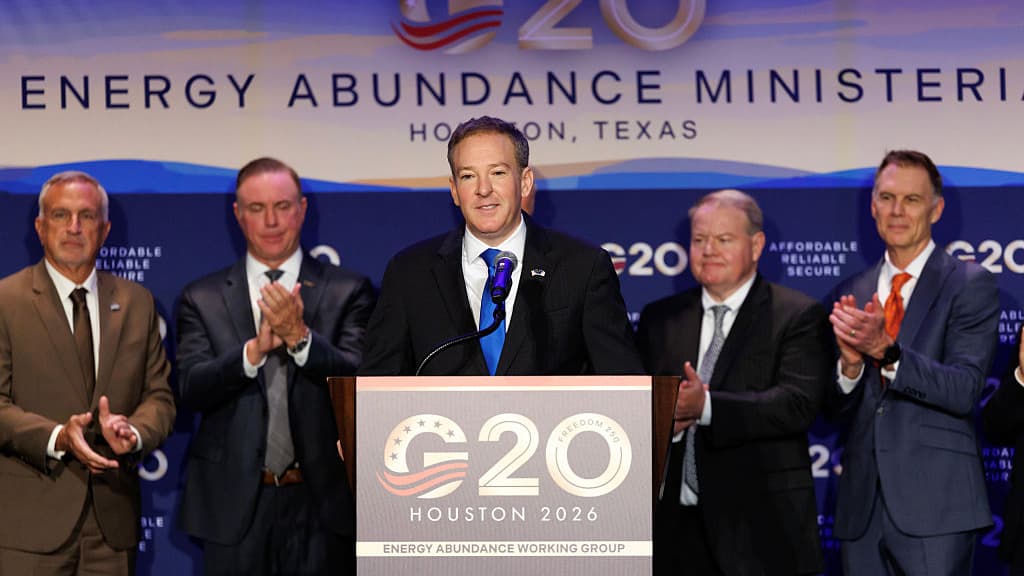
The Environmental Protection Agency (EPA) has announced the repeal of climate pollution standards that were established during the Biden Administration in 2024. These regulations, aimed at reducing emissions from coal-burning plants and new gas-burning facilities, mandated that coal plants implement technology to capture a significant portion of their carbon emissions by 2039. Additionally, gas plants would have been required to transition to cleaner fuels, such as hydrogen.
Impact of the Repeal
Officials from the Biden Administration had anticipated that the original regulations could avert up to 1,200 premature deaths, alongside a reduction in 360,000 asthma-related incidents, and could decrease school absences by 48,000 days, as well as cut down on 57,000 lost work days by the year 2035. Furthermore, the administration projected that the implementation of these standards would generate around $370 billion in combined public health and climate benefits over the subsequent two decades.
The repeal marks a continuation of regulatory rollbacks initiated during the Trump Administration, which included the finalization of the repeal of the 2009 endangerment finding, a critical ruling that supported the basis for greenhouse gas regulations. Recent actions by the EPA have also included decisions regarding vehicle emissions regulations and the relaxation of rules concerning hydrofluorocarbons, greenhouse gases widely utilized in refrigerators and air-conditioning systems.
The reversal of these pollution limits has drawn varying reactions from environmental advocates and industry stakeholders. Critics argue that the rollback will exacerbate public health issues and hinder progress toward addressing climate change. In contrast, supporters claim that reducing regulatory burdens will foster economic growth and energy independence.
Why It Matters
The repeal of these climate pollution standards has significant implications for public health and environmental policies in the United States. The decision may lead to increased carbon emissions from power plants, potentially impacting air quality and contributing to climate change. As discussions around energy regulation continue, the long-term effects on health and climate resilience remain a pivotal concern.
