




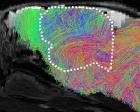
Researchers have successfully created mice with partially human brains, aiming to advance the understanding and treatment of various neurological disorders, including schizophrenia, epilepsy, and certain forms of dementia. This innovative approach involves transplanting human brain cells into specially engineered mice that lack a cortex and hippocampus, providing an environment for the human tissue to grow.
The experiment, led by Professor Sergiu Pașca at Stanford University, allows scientists to derive brain cells from patients with specific disorders, utilize these cells to grow brain tissue in laboratory settings, and then implant this tissue into live animals. This technique facilitates the study of how these disorders manifest in human brain tissue and evaluates potential drug therapies.
Implications and Ethical Considerations
Professor Pașca emphasized the urgency in developing effective therapeutic solutions for neurological conditions, noting that psychiatric and neurological medicine increasingly lags behind other medical fields. He highlighted the complexity and inaccessibility of the human brain as significant challenges to understanding brain conditions. “To a large extent, our goal has been to make aspects of human brain development and function accessible for investigation,” he stated.
The research falls within the domain of neural organoids, which are clusters of human brain cells cultivated in labs that mimic some structural features of real brain tissue. While these advancements may potentially revolutionize brain medicine, they also raise significant ethical questions, particularly regarding the potential consciousness of the implanted tissue and the welfare of the animals involved. Pașca confirmed that extensive ethical oversight has been a priority from the outset of the research.
Experts in bioethics emphasize the need for continued monitoring of animal welfare. Emily Jackson, a law professor at the London School of Economics, underscored the necessity for careful scrutiny of the implanted animals’ health and behavior to further assess the ethical implications of such research.
In previous studies, the Stanford team had transplanted human neurons into rat brains but faced space issues that limited the growth of the human tissue. In this latest experiment, a genetic modification stunted the development of key brain regions, enabling the successful integration of the human brain cells.
After three months of development, the mice exhibited human brain tissues comprising approximately four million human neurons. However, the growth was still immature and did not reflect the neural wiring seen in humans. Despite this, the researchers noted modest improvements in the mice’s mobility and cognitive function. The human neurons also provided insights into human-specific vulnerabilities, such as the effects of oxygen deprivation, which is critical in conditions like cerebral palsy.
Professor Madeline Lancaster from the MRC Laboratory of Molecular Biology pointed out that while this approach could yield insights into certain disorders, the artificial nature of the models raises questions about their applicability in understanding normal human brain development.
Though such research may necessitate animal experimentation, experts emphasize the importance of working towards fully in vitro solutions to better address ethical concerns associated with animal use in scientific research.
The creation of mice with partially human brains represents a significant advancement in neuroscience, with the potential to deepen the understanding of complex brain disorders and advance therapeutic options. However, this study also highlights critical ethical considerations regarding animal welfare and the implications of creating human-like brain structures in research environments.
