




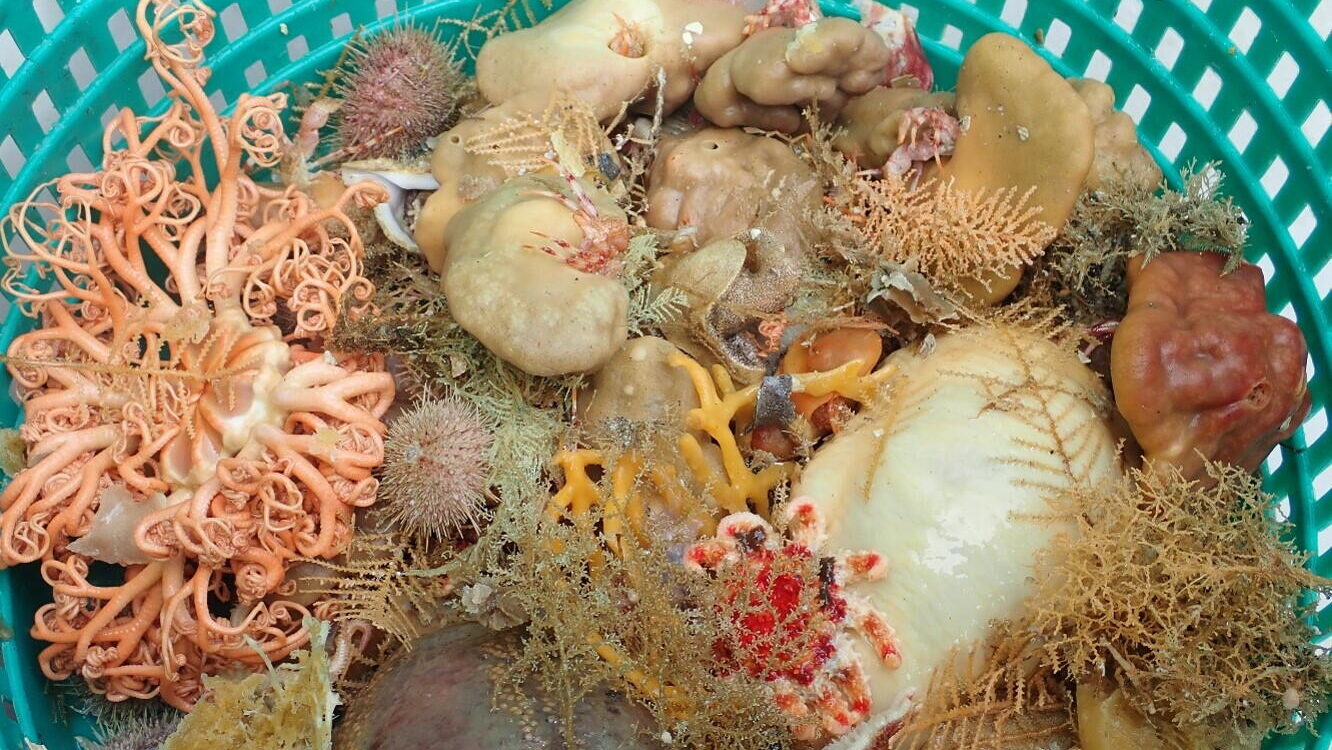
This summer, researchers announced the identification of nine new species of deep-sea sponges off the coast of Alaska, with five found in the Aleutian Islands. This discovery was made as part of ongoing efforts by scientists from the National Oceanic and Atmospheric Administration (NOAA) to assess marine life in the region.
Significance of Deep-Sea Sponges
Sean Rooney, a fish biologist at NOAA’s Alaska Fisheries Science Center, highlighted the role of sponges in the ecosystem, describing them as the “structural backbone of the seafloor.” He explained that sponges provide critical habitat for various marine species, including groundfish and crabs, by offering shelter, protecting eggs, and serving as a food concentration source. Additionally, he noted that the natural chemicals found in these sponges may have potential medical benefits for humans.
The research team conducted bottom trawl surveys to collect marine life, including sponges, over several years. Rooney and co-authors recently published two studies in the journal Zootaxa detailing their findings. The studies focused on sponges collected from trawl surveys dating back to 1997. Rooney’s team utilized advanced methods, including microscopic examination of the sponges’ unique needle-like skeletal structures, known as spicules, as well as DNA sampling, to accurately classify the new species.
In total, the number of known sponge species in Alaska has now reached 232, with the Aleutian Islands recognized as a hotspot for sponge biodiversity. Rooney emphasized the importance of collecting and identifying this information as essential for the management of sustainable fisheries. He stated, “You can’t protect or manage something you haven’t named or identified,” underscoring that this data is crucial for mapping and protecting fragile seafloor habitats.
Furthermore, the insights gained from this research can assist resource managers in ensuring the conservation of critical habitats for fish populations. By documenting these species, experts can better understand the marine environment and implement strategies to protect it effectively.
Why It Matters: The discovery of new sponge species highlights the biodiversity of marine ecosystems. Understanding the role of these organisms is vital for sustaining fisheries and protecting marine habitats. As scientists continue to explore the depths of the ocean, these findings may lead to enhanced conservation efforts and improved management practices for marine resources.
