




Southeast Asia’s economic landscape is increasingly shaped by geopolitical dynamics, as illustrated by the ASEAN bloc’s record foreign direct investment (FDI) of $243.9 billion in 2025. This growth provides companies within the region access to diverse markets, capital, and technology despite the challenges posed by rising conflicts and strategic competition between the United States and China.
Officials assert that maintaining a favorable business environment requires a dual focus on commercial interests and geopolitical stability. Ongoing U.S.-China strategic tensions, economic nationalism, and conflicts can disrupt trade, placing an emphasis on the need for regional governments and businesses to navigate these complex challenges. They must prioritize the protection of security, supplies, and global trade regulations to sustain economic opportunities.
Geopolitical Challenges in Southeast Asia
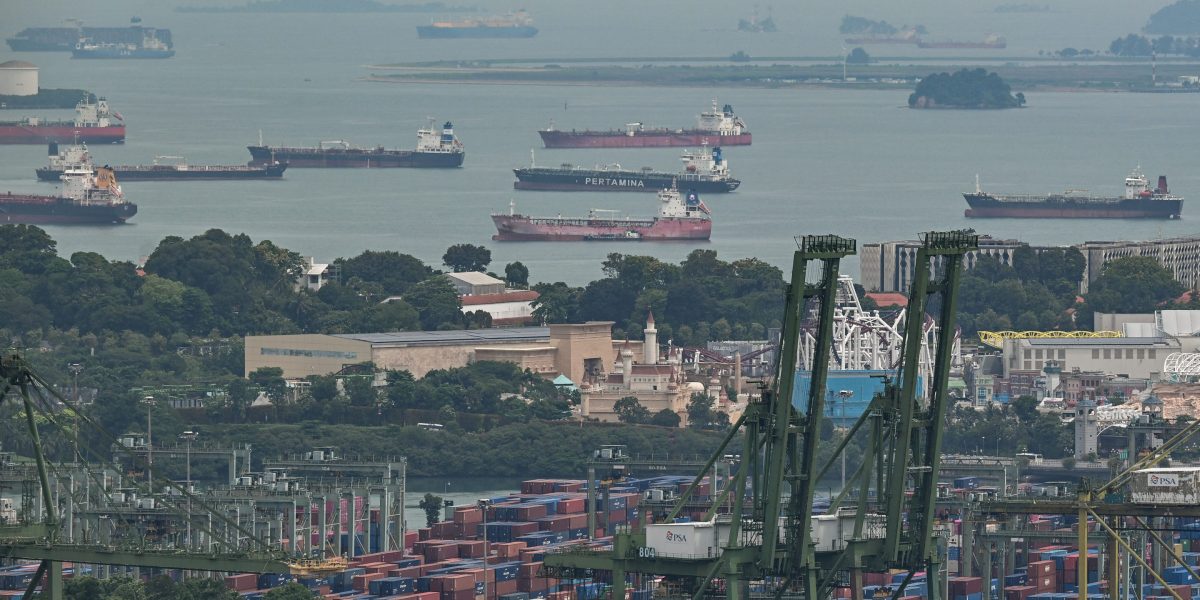
Recent conflicts, including the U.S. engagement with Iran, have resulted in disrupted energy supplies crucial for Southeast Asia, a region heavily reliant on Middle Eastern oil and gas. Rising energy costs threaten to impact businesses and household finances significantly. The Strait of Hormuz has highlighted how a strategic waterway can be manipulated for coercion, raising concerns about similar risks in the Straits of Malacca and Singapore, which are vital for global shipping. In response, Indonesia, Malaysia, and Singapore reaffirmed their commitment to keeping these waterways free and open for navigation.
Additonally, actions by China have raised alarms. In October 2025, China initiated substantial island-building activities in the South China Sea, further asserting its presence in disputed waters. This expansion, coupled with the establishment of a joint military facility in Laos, could shift the regional balance of power, affecting trade and security in the area.
Southeast Asian nations have indeed gained from the strategic rivalry between the U.S. and China, with manufacturers relocating production to the region. However, the introduction of U.S. licensing for advanced semiconductor chips poses hurdles for regional distributors. In response, Malaysia implemented its own notification controls for the export of these technology items.
As U.S. economic nationalism continues to evolve, a broader challenge emerges. Efforts to reduce trade deficits and boost domestic manufacturing affect all countries in the region, limiting opportunities even for close allies like Singapore. Vietnam, with its notable trade surplus with the U.S., faces scrutiny amid these measures, complicating the trade landscape further.
One significant challenge going forward is the region’s dependence on energy supplies. Despite efforts, mechanisms such as the revised ASEAN Framework Agreement on Petroleum Security have yet to be fully effective, and the ASEAN Power Grid aimed at integrating electricity supplies remains incomplete.
To mitigate these vulnerabilities, experts recommend that Southeast Asian governments work on strengthening critical infrastructure and collaborating with private sector stakeholders to enhance preparedness against disruptions. Resilience against external pressures can reduce expectations of gain from hostile actors and preserve international trade norms.
Lynn Kuok is set to discuss these crucial issues at the Southeast Asia 500 Summit on November 3 in Ho Chi Minh City, Vietnam, a gathering designed to connect business leaders and policymakers focused on this rapidly evolving region.
