




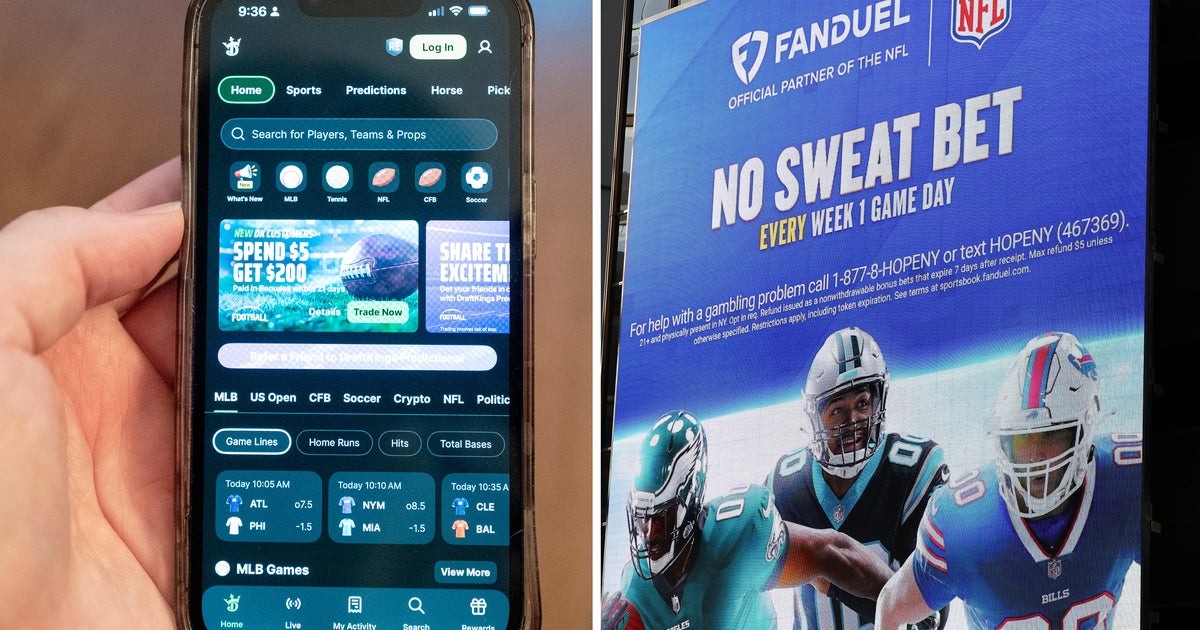
As online sports betting continues to grow in popularity, legal concerns are emerging regarding the potential for addiction and financial harm associated with gambling applications. Florida attorney Jennifer Hoekstra has initiated a series of lawsuits against major platforms FanDuel and DraftKings, arguing that their designs foster addictive behaviors akin to the critiques faced by social media companies.
Growing Financial Toll of Gambling
The amount bet on sports in the United States reached $167 billion last year, according to the American Gaming Association. In this context, concerns about the impacts of gambling have intensified. Research from UCLA reveals that states with legalized online sports gambling have seen a 25% rise in bankruptcies and credit card delinquencies. Furthermore, a survey by the National Council on Problem Gambling identified that 8% of American adults, approximately 20 million people, reported experiencing indicators of problematic gambling behavior in the past year.
Hoekstra’s lawsuits allege the apps intentionally manipulate user experience to create dependency. She asserts that many of her clients have experienced severe financial repercussions, losing their homes and relationships due to their gambling habits. In illustrating the issue, Hoekstra described the consistent barrage of notifications and promotional alerts from these applications, claiming they ultimately trigger compulsive gambling during times of emotional vulnerability.
Legal representatives for FanDuel and DraftKings refute claims that their platforms increase addiction risk. FanDuel stated that it has taken significant steps to promote responsible gambling, having invested $158 million in preventative measures and removing 5,700 users for problematic behavior within the last year. DraftKings emphasized its commitment to responsible gaming, employing a Chief Responsible Gaming Officer and offering tools to assist users in managing their gambling habits.
Critics within the gambling community point out that despite companies’ claims of supporting responsible gambling, there are alarming instances of how bettors are engaged. Some former employees raised concerns that rather than limit betting activity, the companies may actively encourage ongoing engagement, even when individuals experience significant losses.
Additionally, the use of VIP perks is a tactic employed by gaming apps to retain customers, similar to practices observed in traditional casinos. Privileged bettors often receive personalized service and exclusive rewards, potentially leading to increased betting activity and higher financial risks.
Many individuals, like Louis Ruggiero, a recovering gambling addict, report grappling with intense urges to place bets, often losing significant amounts of money before feeling targeted for VIP status by these gambling platforms. Ruggiero’s experience exemplifies the vulnerability that can accompany high-stakes betting.
Why It Matters
The emergence of legal actions surrounding sports betting apps highlights the growing concern about the intersection of technology, gambling, and addiction. As more states consider legalizing sports betting, understanding the implications for consumer welfare and responsible engagement becomes increasingly critical for regulators, companies, and consumers alike.
