




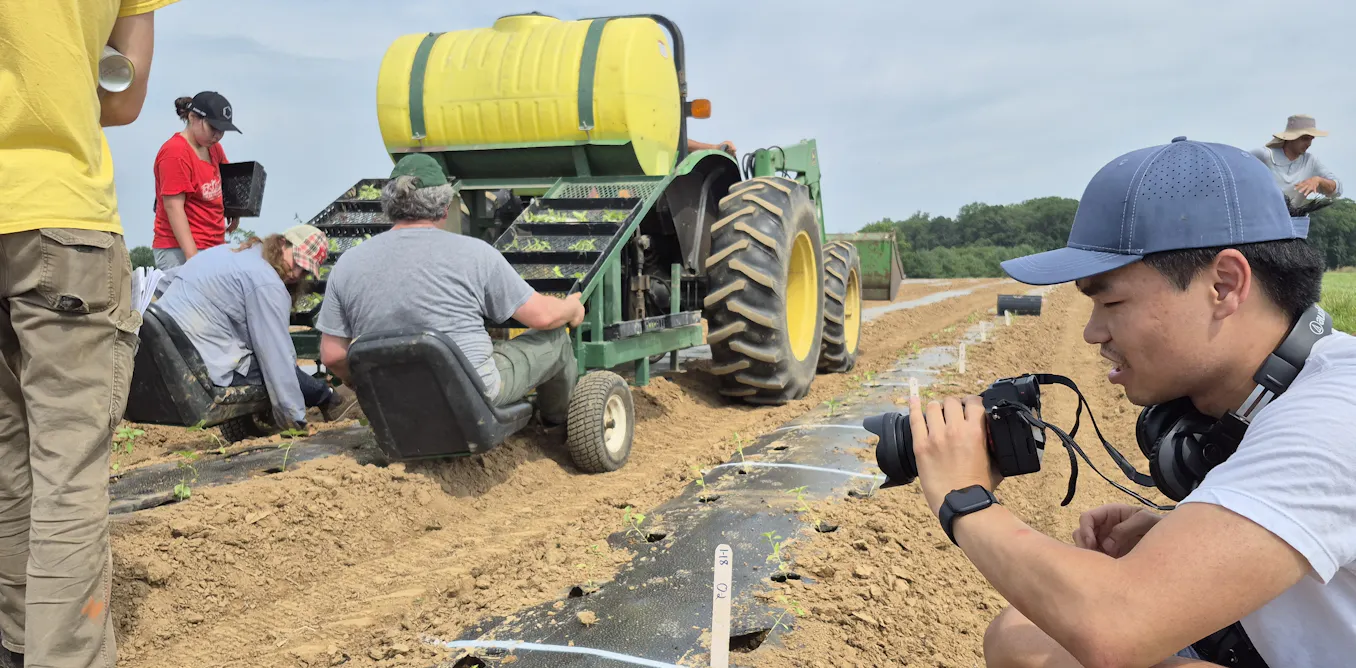
Students at Rutgers University are collaborating with scientists to create documentaries that highlight the research process in various fields of science. The program, part of the Rutgers Immersive Learning Science Storytelling Lab, allows students to gain hands-on experience while helping to communicate scientific findings to broader audiences.
The laboratory connects students with scientists engaged in cutting-edge research, such as marine biologists using autonomous glider robots across the Atlantic and plant scientists developing disease-resistant crops. By participating in the documentary-making process, students earn experiential learning credits and gain insights into the motivations and integrity behind scientific work.
As public confidence in science faces challenges, researchers have expressed a strong interest in authentic storytelling to convey their research efforts. Dena K. Seidel, who leads the lab, has been involved in producing science documentaries since 2008. She aims to make the human journey of science more visible, reinforcing the importance of integrity and motivation behind scientific endeavors.
Documentary Creation Process
The documentary-making process follows five structured steps to foster collaboration between students and scientists. Initially, students build trust with scientists, which is crucial for the co-creation of the documentaries. This relationship allows students to observe and document scientific activities in real-time, capturing experimental and data collection processes.
Students immerse themselves in the collected video data, using the scientists’ words to create documentary scenes without external narration. They learn about the scientific processes through storytelling rather than conventional educational assessments, focusing on the knowledge gained from the research.
Drafts of these documentaries are shared with the featured scientists to ensure the scientific accuracy of the content. This verification step strengthens the trust built during the process and fosters student-scientist connections. Finally, the completed documentaries are distributed to the public, aiming to enhance understanding and trust in science among diverse audiences.
Documentaries produced by this initiative have reached audiences beyond the university setting. Some projects, like “Antarctic Edge: 70° South,” have achieved theatrical releases and appeared on platforms such as Netflix and PBS. Upcoming works, including “Mysteries of 9° North,” showcase student collaboration with researchers studying deep-sea volcanoes, set for public release in early 2027.
Feedback from audience screenings indicates a positive impact on public understanding of scientific concepts, with significant increases in self-reported knowledge following viewings. Moreover, the initiative has been beneficial for students, helping them feel more connected to the science community and enabling them to envision themselves as future scientists.
By creating relatable documentaries, the Rutgers lab’s approach seeks to inspire a new generation of voices in science, emphasizing the storytelling aspect as a crucial educational tool for both students and the public.
