




Despite recent electoral gains for the Democratic Party, experts suggest that U.S. foreign policy is unlikely to undergo significant changes in response to global demands. According to Benjamin Ho, a scholar at the S. Rajaratnam School of International Studies (RSIS), the U.S.-China strategic rivalry is expected to continue unabated.
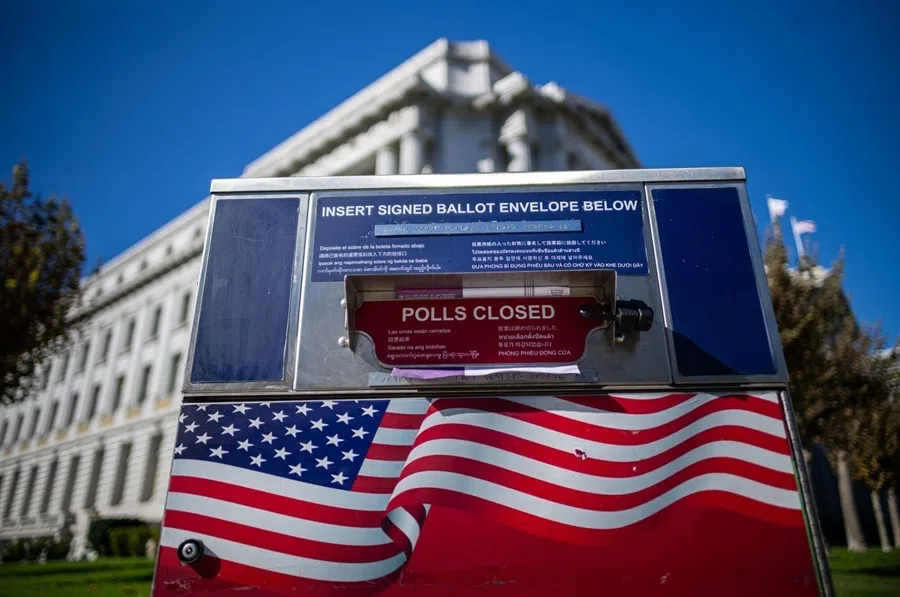
Ho noted that President Donald Trump’s defeat in the midterm elections affirmed predictions about the unpopularity of his administration. However, he argued that this political shift may not necessarily lead to a reevaluation of the U.S.’s global stance, as much of Trump’s foreign policy aligns with longstanding U.S. national interests.
Ho emphasized that the perspective of American firstness remains dominant, and he does not anticipate a more sympathetic U.S. approach toward other nations regardless of who’s in power. His recent visit to the United States revealed persistent themes in U.S. foreign policy discussions that are unlikely to change significantly due to election outcomes.
The strategic competition between the U.S. and China continues to be a focal point, with Ho arguing that no essential shift is likely in U.S.-China relations despite high-profile meetings between Trump and Chinese President Xi Jinping. This ongoing rivalry is compounded by high-tech competition, where both nations view each other as critical adversaries.
Beijing’s view of its relationship with Washington shapes its international relations, with key regional relationships — including those with Japan, South Korea, and Taiwan — influenced by its perception of U.S. policy. Chinese scholars assert that the U.S. aims to contain China’s rise, prompting Beijing to adopt a defensive stance whenever its interests are challenged.
Ho cautioned that America’s foreign policy will likely remain focused on protecting its own interests, even as China seeks to assert itself globally. He pointed to the potential for human rights discussions resurfacing under a Democratic-led Senate, suggesting that relations between the two nations could become even more contentious.
Holistically, Ho posits that the current political and economic challenges facing China hinder its ability to offer alternatives to U.S. leadership on global issues. He argued that while criticisms of the U.S. are plentiful, China’s capacity to address global challenges remains questionable, particularly as it focuses on its internal growth and trade goals.
In conclusion, while the political landscape in the U.S. may appear to be shifting, it is essential to recognize that the foundational elements of U.S. foreign policy, especially regarding China, are resilient and likely to persist. Upcoming dialogues, particularly in high-stakes areas like technology, will be crucial in determining the future trajectory of U.S.-China relations.
