




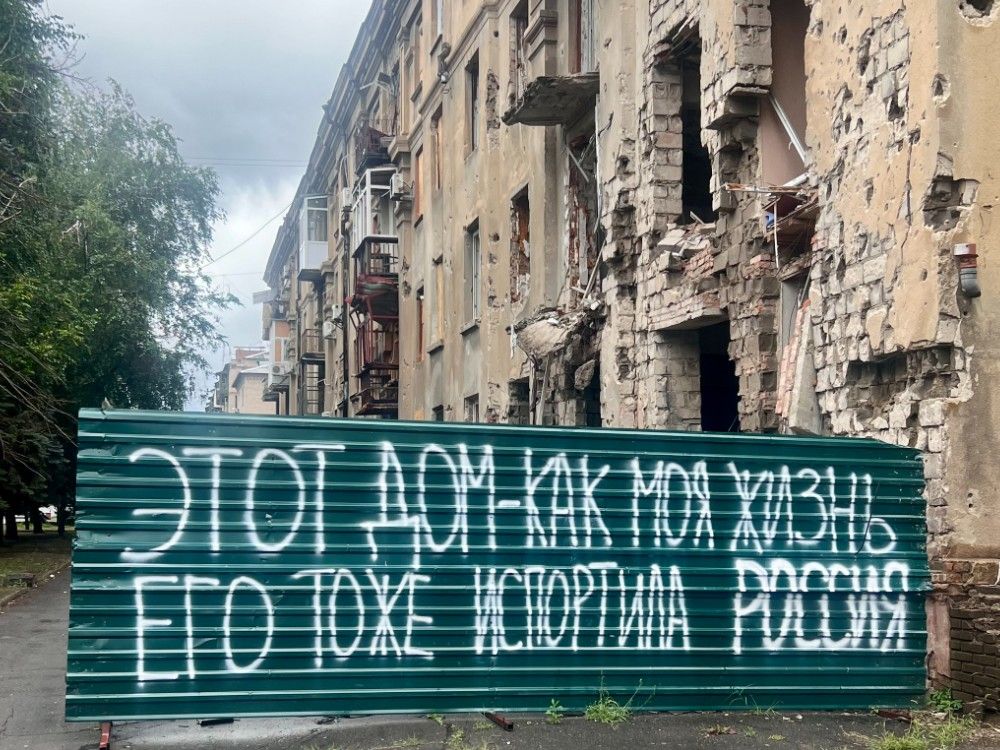
Kramatorsk, a city in Ukraine, faces an increasingly dire situation as Russian forces approach, claiming territory just 14 kilometers away. This once-bustling city is now characterized by mostly vacant streets, damaged buildings, and an atmosphere heavily affected by the ongoing conflict. The sounds of artillery and the sight of military fortifications dominate the landscape, as local residents confront the realities of war.
A City on the Brink
The heart of Kramatorsk seems to be clinging to life amid the turmoil. Charred remnants of buildings and defensive barriers such as barbed wire and concrete “dragon’s teeth” mark an area that was once vibrant. Schools, parks, and cultural centers now stand deserted, their silence punctuated by the distant rumble of artillery.
Despite the approaching danger, there are attempts at normalcy within the community. Local businesses, such as the Chudo supermarket, remain operational, providing essential goods to residents. An elderly man offers blackcurrants from his garden outside the supermarket, embodying the tenacity of the local population.
Some small businesses strive to foster a sense of community. Kateryna Seledtsova operates a bakery that has transformed its menu to comfort food since reopening. She describes her establishment as a “beacon of light” for local customers seeking solace from the daily threat of violence. Kateryna commutes frequently to Kharkiv to purchase cheaper supplies while ensuring her son remains safe in a less volatile area.
The psychological toll of living in a frontline city is evident. Olga, a long-time volunteer and owner of a café, shares her emotional struggles following a bombing that killed several friends. Her café, a community hub, faces dwindling patronage as safety becomes a growing concern. She finds herself grappling with the decision to abandon her beloved establishment, which she refers to as her “child.”
The threat of drone attacks has further complicated life in Kramatorsk. Residents must remain vigilant, constantly aware of the potential dangers from above. Community members express fears that there may soon be nothing left to return to if the conflict escalates. Reports indicate that several local restaurants are already planning to close due to safety issues and reduced business.
Municipal workers continue to perform their duties in a city that feels increasingly isolated, with transportation links already severed. Volunteer groups work tirelessly to evacuate vulnerable residents while facing their own uncertainties about the future.
As the situation evolves, Kramatorsk encapsulates the struggle and resilience of its people. The ongoing conflict poses questions about the city’s viability and the fate of its community. For many, the emotional ties to Kramatorsk are profound; as one resident stated, “Even if my body leaves Kramatorsk, my heart and my soul will be here.”
Why It Matters: Kramatorsk represents the human cost of the ongoing conflict in Ukraine and highlights the resilience of its residents amid adversity. The city’s struggle reflects broader themes of war, community, and the challenges of maintaining a sense of normalcy in desperate times.
