




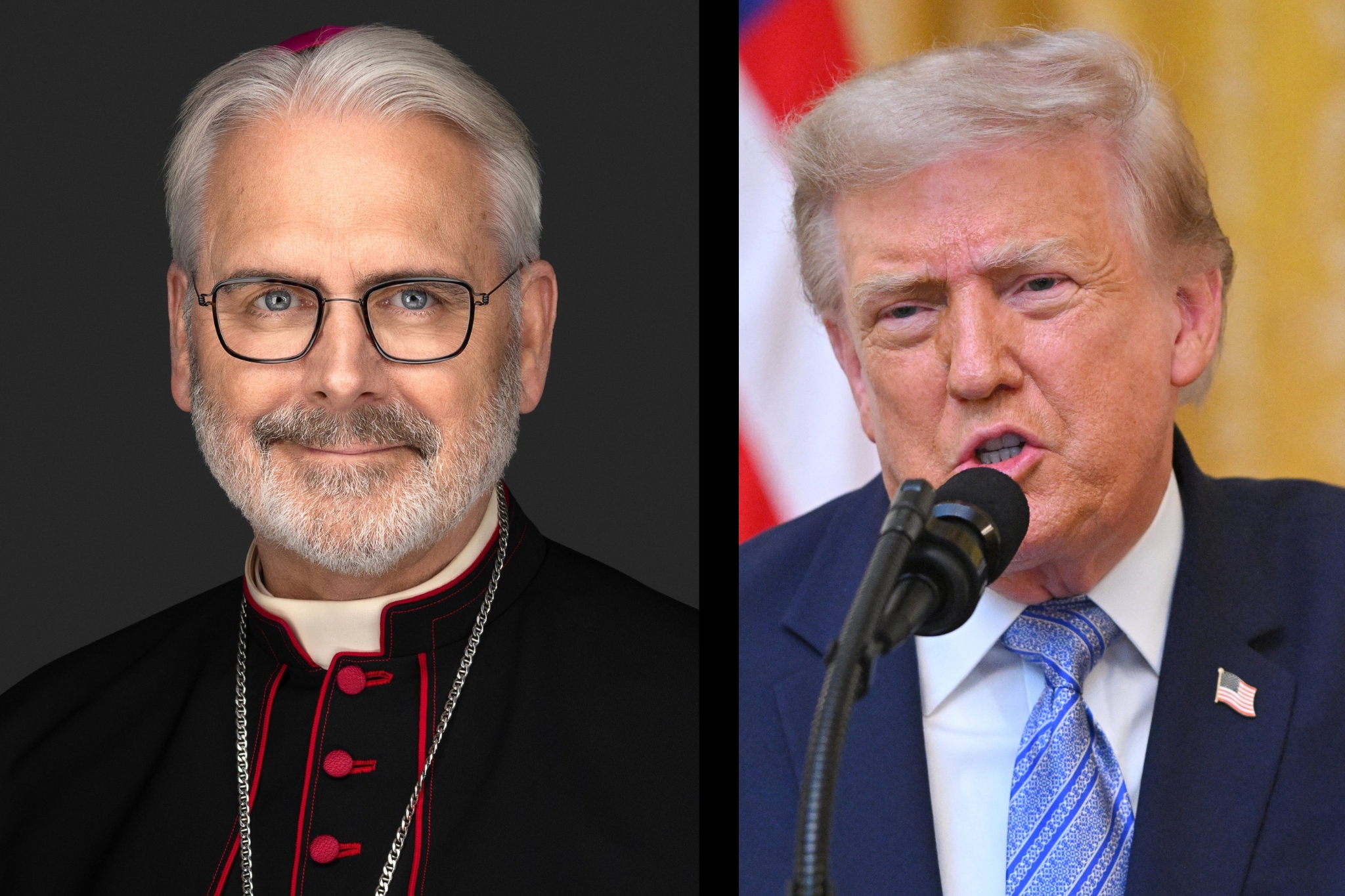
Archbishop Paul S. Coakley, president of the U.S. Conference of Catholic Bishops, has urged an end to mass deportations of Haitians following the termination of Temporary Protected Status (TPS) for Haiti. In a letter addressed to President Donald Trump, dated September 8, Archbishop Coakley expressed concern for the safety of individuals being deported to a nation currently facing significant crisis and instability.
Call for Humanitarian Considerations
In his letter, Archbishop Coakley implored the Trump administration to reconsider its deportation policies, stating, “I implore you to avoid further endangering innocent human life by ceasing the deportation of large numbers of people to Haiti at this time.” He highlighted the lack of a sufficient system to ensure the safe reception and reintegration of returnees, which he believes could exacerbate the prevailing humanitarian crisis in Haiti.
Archbishop Coakley pointed out that ongoing mass deportations may undermine U.S. strategic interests in the Western Hemisphere, urging the President to utilize his constitutional authority to provide deferred enforced departure for Haitians residing in the U.S. This plea follows the end of TPS for Haiti, which took effect on July 27, leaving many individuals in a state of uncertainty.
More than 200,000 Salvadoran immigrants also face uncertain legal status as the Trump administration has delayed an announcement regarding the expiration of TPS for El Salvador. This delay is concerning for many individuals whose work permits have already lapsed.
Haiti is currently grappling with a severe humanitarian crisis characterized by gang violence and instability. The State Department has advised U.S. citizens against traveling to Haiti due to these conditions. Despite this, deportations have continued, with reports describing flights that included individuals with violent criminal convictions.
Archbishop Coakley noted that while certain individuals may be disqualified from TPS on a case-by-case basis, the indiscriminate nature of mass deportations could create significant employment gaps in critical sectors like healthcare as well as separate families of mixed legal status. He emphasized that the well-being of families is essential for community strength.
The bishops of the U.S. have expressed support for the American Dream and Promise Act of 2025, which would provide legal avenues for those who are part of the Deferred Action for Childhood Arrivals (DACA) program and those affected by the termination of TPS statuses.
In this context, the Archbishop’s plea serves as a reflection of wider concerns regarding immigration policy and humanitarian responsibility in dealing with vulnerable populations during times of crisis.
Why It Matters
This development is significant as it highlights the ongoing debate surrounding U.S. immigration policies, particularly regarding vulnerable populations such as Haitian immigrants. The Archbishop’s letter also draws attention to the moral and humanitarian responsibilities that accompany such policies amid a crisis in Haiti, raising questions about safety, reintegration, and community impact.
