




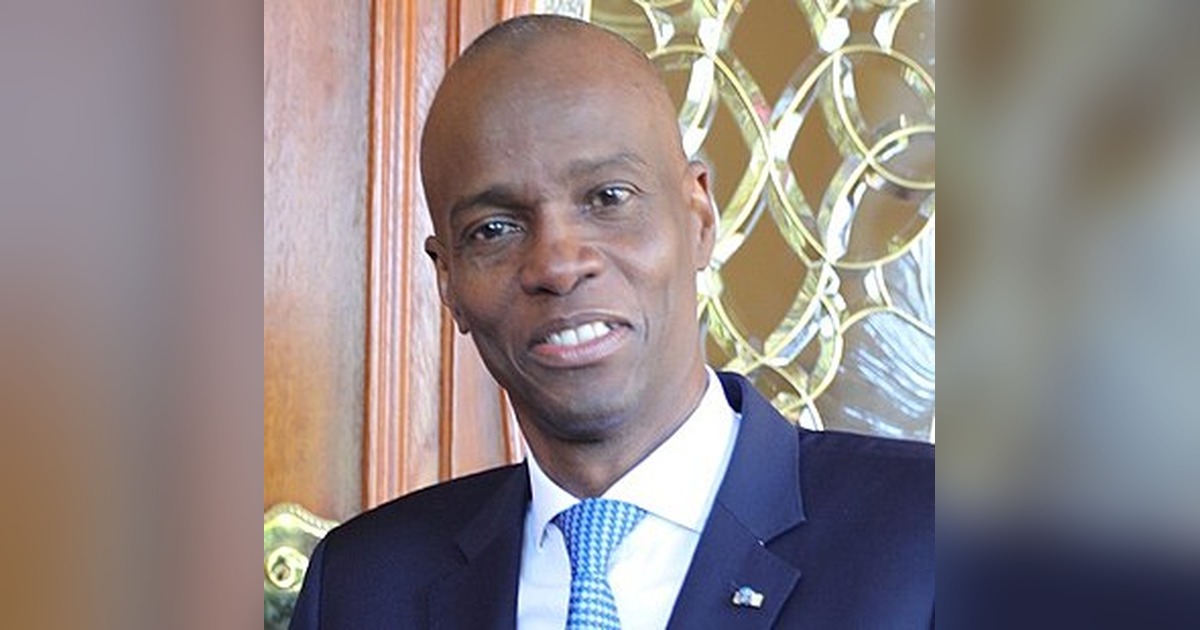
The trial of Christian Emmanuel Sanon, a 67-year-old Haitian American pastor, commenced on Monday in the United States District Court in Miami. Sanon is accused of playing a key role in the assassination of Haitian President Jovenel Moïse, who was killed at his residence near Port-au-Prince on July 7, 2021. This trial marks a significant moment more than two years after the president’s assassination.
Sanon faces eight charges, including conspiracy to kidnap or kill a person outside the United States, and could receive a life sentence if convicted. It is alleged that he had political ambitions in Haiti and was persuaded by leaders from CTU Security, a Miami-based security firm, to position himself as Moïse’s successor. In return, if he were to become president, Sanon reportedly planned to award CTU lucrative contracts in several sectors, including infrastructure and military equipment.
Details of the Conspiracy
Prosecutors claim that the conspiracy to assassinate Moïse was initiated in April 2021 when Sanon met with a former Haitian senator and various U.S. business figures in South Florida. They assert that CTU Security subsequently recruited about 20 Colombian nationals with military backgrounds to carry out the assassination. Following Moïse’s death, Haitian authorities arrested Sanon within days, and he was later transferred to U.S. custody after facing additional charges filed in February 2023.
The Department of Justice has charged numerous individuals with crimes linked to the assassination, with several already convicted and serving life sentences. Since Moïse’s assassination, Haiti has been without an elected president. The ongoing political instability has been characterized by a power vacuum exploited by armed groups, as noted by various human rights organizations. A report from the Wilson Center indicates that these groups have taken control of over 80% of Port-au-Prince.
During the trial, Martine Marie Etienne Joseph, the former First Lady of Haiti who was also shot during the attack, testified against the defendants, providing critical insights related to the case.
As the trial progresses, the outcomes may have significant implications not only for Sanon but also for the larger political landscape in Haiti, where the assassination has led to a surge in violence and unrest.
Why It Matters
This trial and its findings are crucial as they may shed light on the continued turmoil in Haiti and the involvement of international actors in its domestic affairs. The aftermath of Moïse’s assassination has left Haiti grappling with increased violence and instability, and the trial could influence future governance and security measures in the country.
