




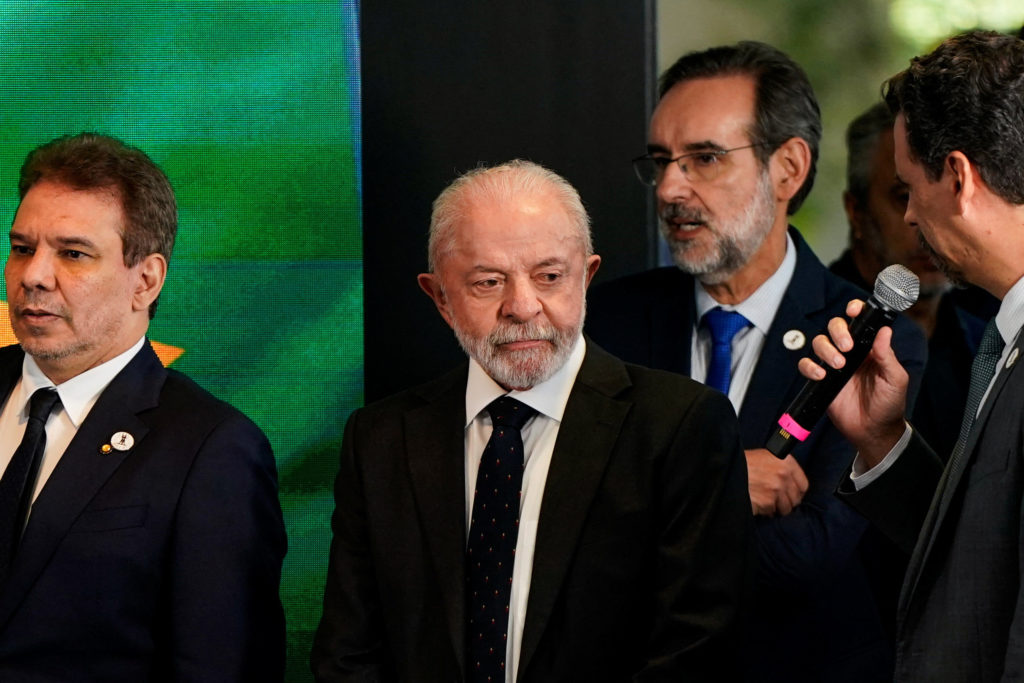
In a recent diplomatic move, the Trump administration has revoked the visa of Brazil’s ambassador to the United States, Maria Luiza Ribeiro Viotti. This decision is a response to Brazil’s recent denial of visas for two American diplomats, who had planned to visit ahead of Brazil’s elections.
Reciprocal Diplomatic Actions
The U.S. State Department characterized this visa revocation as a reciprocal measure following Brazil’s actions. Officials noted that the decision had been postponed several times to provide an opportunity for Brazilian President Luiz Inácio Lula da Silva to reconsider his stance. This situation may be reversed if Brazil accepts President Trump’s nominee to be ambassador, Danny Perez, although indications suggest this will not occur until after Brazil’s elections on October 4.
Additionally, the State Department confirms that despite the visa revocation, Ambassador Viotti will not be expelled from the country. She may resume her official duties contingent on Brazil’s acceptance of the ambassadorial nomination. The Brazilian government has been resistant to this move amid a backdrop of escalating tensions.
Last month, Brazilian authorities denied visas to Riley Barnes, the assistant secretary of state for democracy, human rights, and labor, along with one of his aides. These officials were reportedly set to visit Brazil to discuss topics related to election integrity, religious freedom, and freedom of expression. The U.S. government denied claims that their visit had ulterior motives, labelling any insinuations as unfounded.
The forthcoming elections in Brazil will see President Lula competing against Sen. Flávio Bolsonaro, the son of former president Jair Bolsonaro, who has maintained a close relationship with the Trump administration. Past administration decisions have included a significant hike in tariffs on various Brazilian exports, set to take effect on Friday, amid allegations of unfair competition practices by Brazil. The Lula administration has dismissed these accusations, arguing they are attempts to influence the electoral process.
Concerns regarding Brazil’s electronic voting system have also resurfaced, primarily due to claims from Jair Bolsonaro, now serving a prison sentence for attempted coup actions, regarding its integrity. His son, Sen. Bolsonaro, has echoed similar sentiments, although he avoided such claims during a recent confirmation as a presidential candidate.
Why It Matters
This diplomatic dispute highlights the complexities of international relations between the U.S. and Brazil, especially as both countries prepare for pivotal elections. The evolving dynamics between the Biden and Lula administrations will significantly impact bilateral relations and regional stability.
