




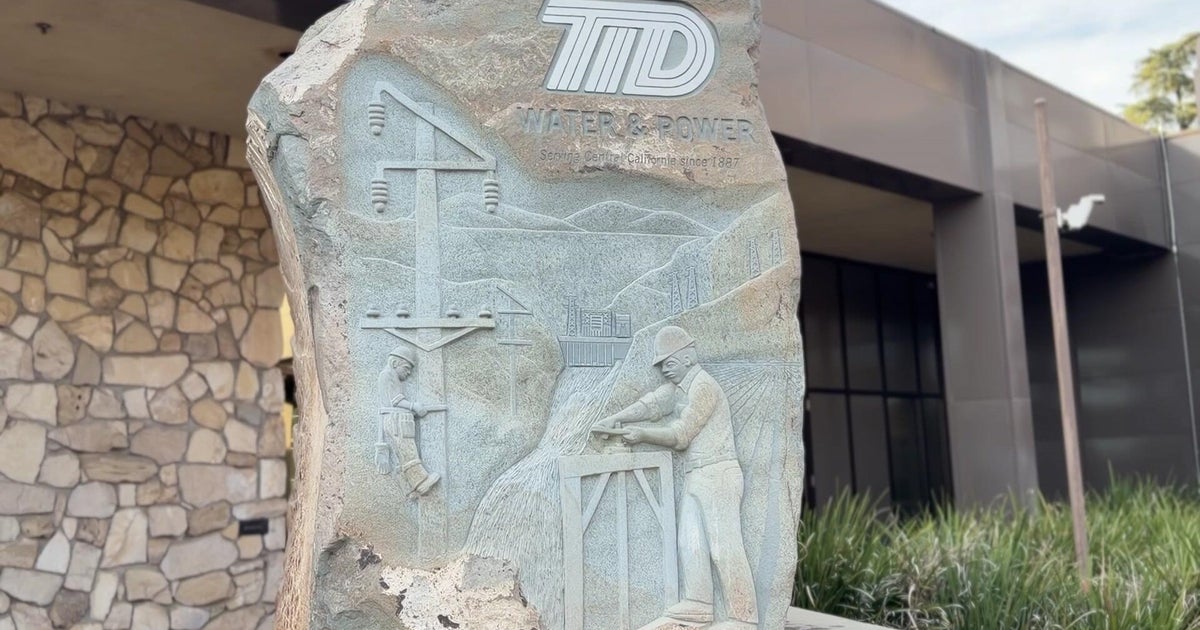
Experts in Turlock are addressing the growing interest and questions surrounding cloud seeding technology, which has been utilized in California for decades. Olivia Cramer, the Water and Power Resource Planning Department manager at Turlock Irrigation District, noted that the district initiated its cloud seeding program in 1990, evolving alongside advancements in forecasting techniques.
Cloud seeding is viewed by some as a viable method for managing water supply, particularly during dry years or when snowpack is insufficient. “Our purpose is to monitor the watershed conditions, which informs whether we need to continue the program,” Cramer explained. “In some cases, we suspend the program if we have more water supply than needed.”
Cloud seeding involves releasing silver iodide into certain storm systems that contain supercooled liquid water. Cramer described this process: “What’s called supercooled liquid water is below freezing but isn’t actually freezing because it lacks a nucleus for ice crystal formation. By introducing silver iodide, we provide a nucleus for the supercooled liquid to crystallize around, leading to precipitation.”
With eight years of experience in the field, Cramer emphasized the importance of a reliable water supply for Central Valley communities. “California experiences highly variable water years, and there are always changes. New technologies are continually emerging,” she said. In addition to cloud seeding, the district employs an airborne snow observatory for measuring snowpack and is involved in atmospheric river research.
Despite the potential benefits, cloud seeding has not been without its critics. Burgess Langshaw Power, a social scientist and PhD candidate at the Balsillie School of International Affairs, acknowledged the skepticism surrounding the technology. “There are genuine concerns about its implications,” he stated. Power noted that the complexity of the science contributes to varying opinions on its effectiveness, with some academic studies yielding inconclusive results.
Concerns over the potential misuse of cloud seeding are also prevalent. Power recalled historical incidents like “Project Popeye,” a U.S. military initiative that explored weaponizing weather. “The simple answer is no, but the mere possibility of governments using it for control raises valid questions,” he said.
Power believes it is crucial to analyze the application of this technology. He remarked, “You can’t create rain out of nothing; the water must be in the atmosphere. These techniques can help move a little extra water, which can be advantageous for farmers who need additional supplies.”
Cramer reiterated the importance of clarifying misconceptions about cloud seeding. “We are not creating clouds or adding moisture to the atmosphere. There has to be an existing storm; we are just making it more efficient,” she said.
