




U.S. Africa Command Embraces Technology to Adapt to Reduced Troop Presence
U.S. Africa Command is shifting its strategy to emphasize technological innovation as it adjusts to a shrinking on-ground troop presence across the continent. This approach, characterized by their aim to “do more with less,” places a strong focus on adopting artificial intelligence and unmanned systems among other modern technological solutions.
Lt. Col. Jared “CLiF” Bindl, Africom’s first Chief Innovation Officer, shared insights into the command’s strategic priorities during discussions at the recent National Defense Industrial Association’s Emerging Technologies for Defense Conference. He explained that the command is exploring commercially available vessel data and sensor technologies to better identify unlawful maritime activities including illegal fishing and drug trafficking.
General Dagvin Anderson, Africom’s commander who appointed Bindl to his role earlier this year, highlighted the growing strategic importance of African nations due to escalating extremist threats and increased geopolitical competition for resources. The command has been scaling back its troop presence in alignment with national defense policies that focus on homeland defense and addressing Pacific threats.
“Every logistical movement in Africa is contested at some point,” Anderson remarked, acknowledging the challenges of operating in such a complex environment. Underlying Africom’s innovation efforts are five core focus areas aligned with both operational demands and the needs of the Joint Force.
Enhancing battlespace awareness is currently a top priority. The command seeks to integrate non-traditional intelligence, surveillance, and reconnaissance (ISR) methods such as affordable ground sensors and commercial satellite capabilities to compensate for reduced force levels.
Additionally, Africom is investigating autonomous aerial resupply capabilities aimed at improving medical and logistical support in remote areas. This assessment also includes exploring “tactical edge production nodes” to bolster supply chain resilience amid challenging conditions.
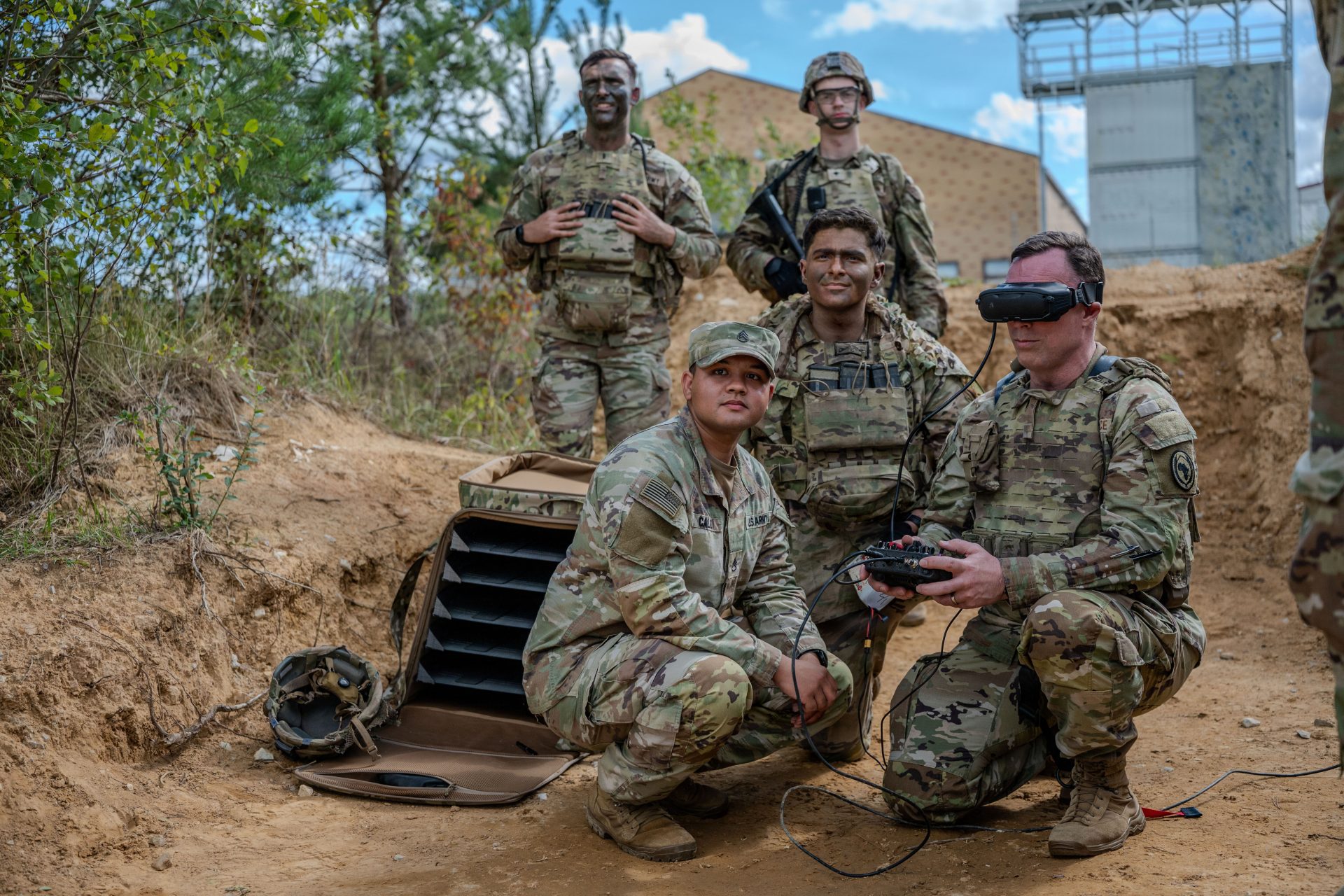
The command’s innovation approach extends to drone technologies, with evaluation of both offensive and defensive drone systems. Bindl noted that collaborative initiatives are underway, particularly in Morocco, Ghana, and Djibouti, to facilitate the development and use of small unmanned systems.
Artificial intelligence plays a critical role in Africom’s future plans, focusing on improving campaign planning and information interoperability to enhance decision-making processes across the command. Furthermore, efforts are being made to integrate autonomous solutions across multiple operational domains, which may take advantage of experimentation opportunities at a newly established training center in Morocco.
Why It Matters
This strategic pivot reflects the U.S. military’s commitment to maintaining operational capabilities in Africa despite a reduction in traditional troop deployments. By investing in innovative technologies, U.S. Africa Command aims to continue supporting regional partners in addressing security challenges while adapting to the limitations posed by a diminished physical presence.
