




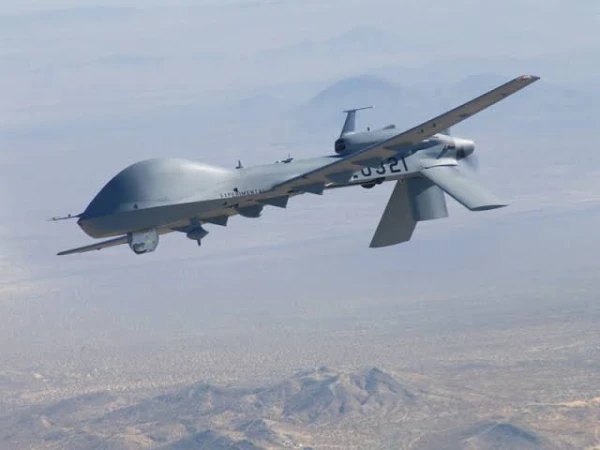
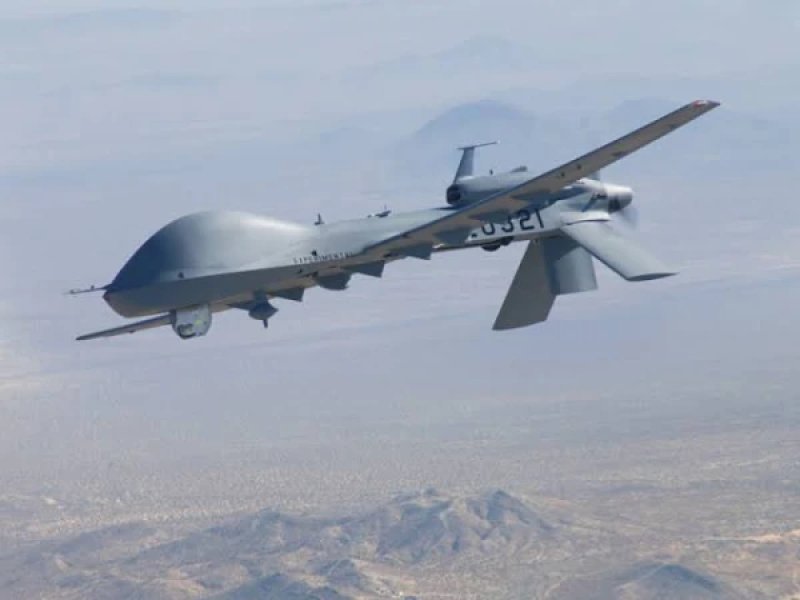
The U.S. Army’s strike drone battalion, established in Europe in January for the purpose of practicing drone and robotic warfare, is being disbanded, according to a report released on August 19. A representative from the Army confirmed the decision, which aligns with a strategic shift to return to core combat roles.
Strategic Shift and Future Focus
This battalion had recently participated in significant military exercises in Germany during August and September. Following these exercises, the unit is set to present its findings to the U.S. Army. These insights will inform future operations as the battalion transitions back to its foundational mission as an airborne unit.
This decision is part of a broader strategy outlined by Acting Chief of Staff of the U.S. Army General Christopher Laniv. He is collaborating closely with Pentagon chief Pete Hegseth to focus on traditional military objectives. The initiative to establish the battalion had previously been championed by General Randy George, Laniv’s predecessor, who was removed from his position in April.
The decision to disband the battalion has reportedly prompted criticism from military experts, who argue that this move may hinder advancements in the Army’s efforts to maintain a competitive edge in drone warfare. This form of combat has been pivotal in modern battlefield scenarios, particularly observed in conflicts in Ukraine and the Middle East.
In Ukraine, the use of robotic systems has emerged as a crucial strategy to manage personnel shortages. Recent reports indicate that Ukraine aims to produce and deploy at least 50,000 combat robots equipped with a variety of weapons to support military operations by year’s end. This capability is essential for alleviating the risks faced by soldiers during logistics operations and for enhancing battlefield effectiveness.
Moreover, infantry units in Ukraine are employing unmanned vehicles for various combat tasks, including mine delivery and tactical assaults, as noted by the commander of Ukraine’s Drone Forces, Robert “Madyar” Brovdi. This shift demonstrates the significant role that drone and robotic technologies play in contemporary military strategies.
Why It Matters
The decision to disband the U.S. strike drone battalion reflects a critical juncture in military strategy, emphasizing traditional combat roles over innovative technological warfare. The potential slowdown in drone warfare advancements could have implications not only for U.S. military effectiveness but also for the evolving dynamics of international conflict, particularly as other nations continue to adopt and adapt these technologies in their militaries.
