




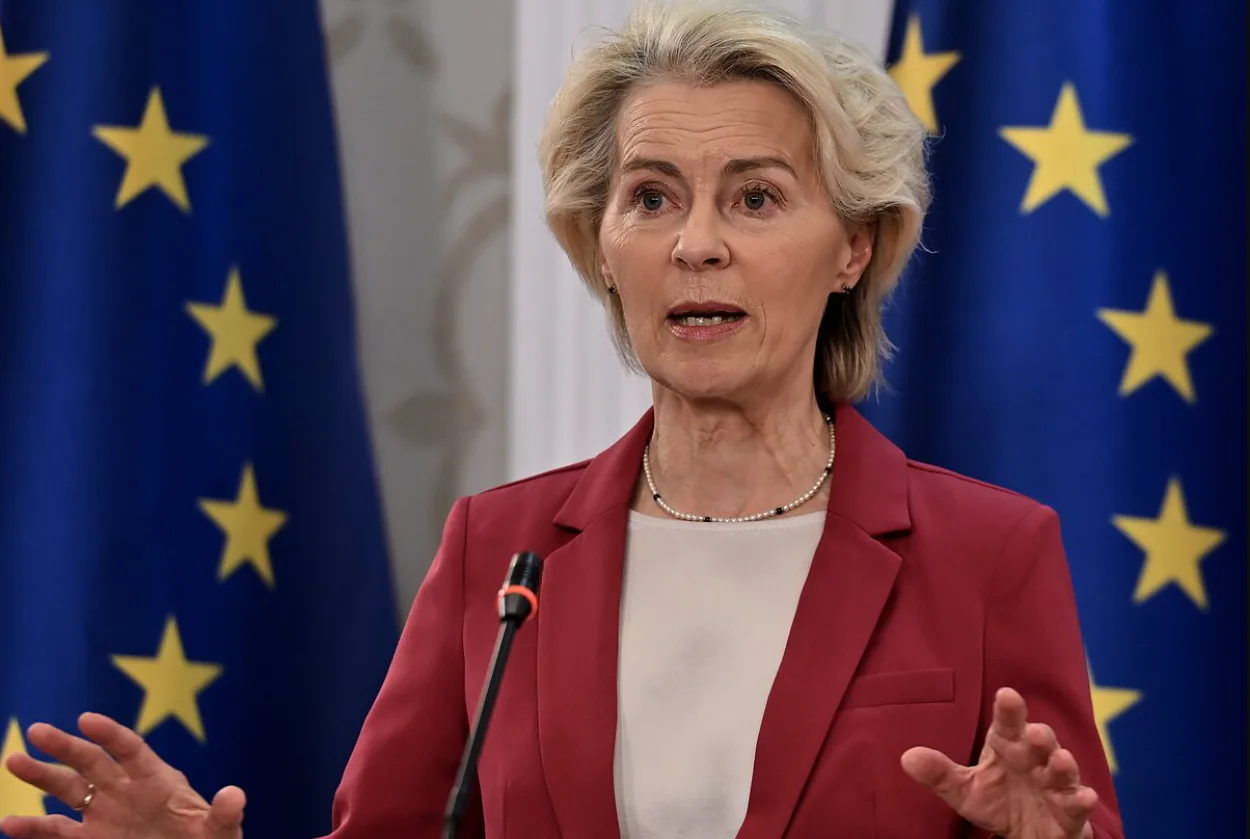
The G7 nations have confirmed their commitment not to implement export bans on fuel to allied countries and intend to utilize oil reserves to help stabilize energy prices. European Commission President Ursula von der Leyen announced this decision, highlighting the unity among member states.
Details of the Agreement
Von der Leyen expressed appreciation for the G7’s resolution, stating, “We welcome the decision by the G7 countries not to impose any export bans on allies and the continued solidarity of partners.” This agreement comes in light of recent statements from U.S. President Donald Trump, who had indicated he was contemplating a ban on diesel fuel exports, which raised concerns regarding potential impacts on European nations.
As part of their efforts, G7 leaders also agreed to coordinate the use of fuel reserves through the International Energy Agency to address current energy market challenges. Von der Leyen emphasized the necessity for affordable energy for citizens, saying, “Our citizens need affordable energy and deserve it. As the G7, we will closely coordinate our actions to achieve this goal.”
The G7 includes the United States, Germany, France, the United Kingdom, Italy, Canada, and Japan, with France holding the presidency for the year 2026.
Implications for Energy Stability
This agreement marks a crucial step for Europe as it navigates its energy supply amid ongoing global uncertainties. The coordinated approach among G7 countries is expected to provide a measure of reassurance to European states that rely on diesel fuel imports. Energy markets have been sensitive to both geopolitical events and domestic policies that could impact supply.
Why It Matters: The G7’s decision to refrain from imposing export bans on fuel is significant for maintaining energy stability in Europe. As global energy markets face volatility, such agreements are vital for ensuring that allied nations can secure necessary fuel supplies without added restrictions.
