




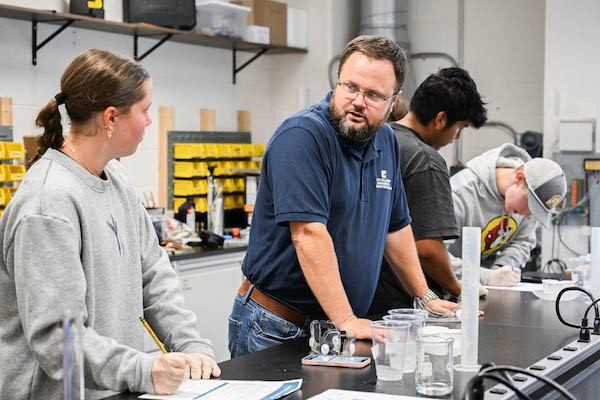
At the University of Tennessee at Chattanooga (UTC), first-year chemical engineering students are engaging in a unique learning experience designed to help them explore potential career paths. This initiative forms part of a broader program aimed at supporting incoming students as they navigate their transition into university life.
Innovative Course Structure Enhances Career Exploration
Led by Associate Professor Bradley Harris, who heads the Department of Civil and Chemical Engineering within the College of Engineering and Computer Science, the course emphasizes career-related discussions from the very beginning. Students enrolled in USTU 1250: The First Year Experience and ENCH 1000: Introduction to Chemical Engineering are encouraged to contemplate various career options and seek out resources to aid their decision-making.
The course is a component of “A Moc’s First Year,” a comprehensive program aimed at fostering connections among first-time, full-time undergraduate students, the university, and the Chattanooga community. This integration allows students to participate in activities that promote relationship-building and familiarity with their new environment.
Harris’s approach combines traditional coursework with interactive elements. He believes that creating a sense of community among students is crucial for their success. “They get to know other students that are either in a similar walk of life, have a similar major or similar interests, build that community, get to know the campus and the city, and really feel at home here,” he stated.
This semester marks the first time Harris has paired the two courses, a decision influenced by professional development opportunities he pursued over the summer, including training sessions focusing on career integration strategies. He aims to provide students with career insights while also ensuring they feel connected to one another and the university.
To facilitate this process, students began by utilizing the PathwayU platform, designed to aid them in identifying strengths and interests relevant to their potential career paths. The smaller class size fosters more personalized interactions, allowing students to engage in meaningful discussions about their ambitions and concerns.
The class also features a panel of alumni from the College of Engineering and Computer Science, enabling current students to ask pertinent questions about industry expectations and professional licensure. According to Harris, this interactive model promotes inquiries that might not naturally arise in a larger lecture setting.
As part of their learning experience, students are scheduled for outings, including a tour of the Tennessee River and a visit to the Tennessee Aquarium. These activities will incorporate discussions about the field of chemical engineering, environmental considerations, and the industry’s historical ties to the region.
Why It Matters
This initiative not only equips first-year students with essential information about their chosen field but also supports their emotional and social adaptation to university life. By integrating career exploration with community-building activities, the program aims to enhance student engagement, leading to better retention and academic success as they embark on their educational journeys.
