




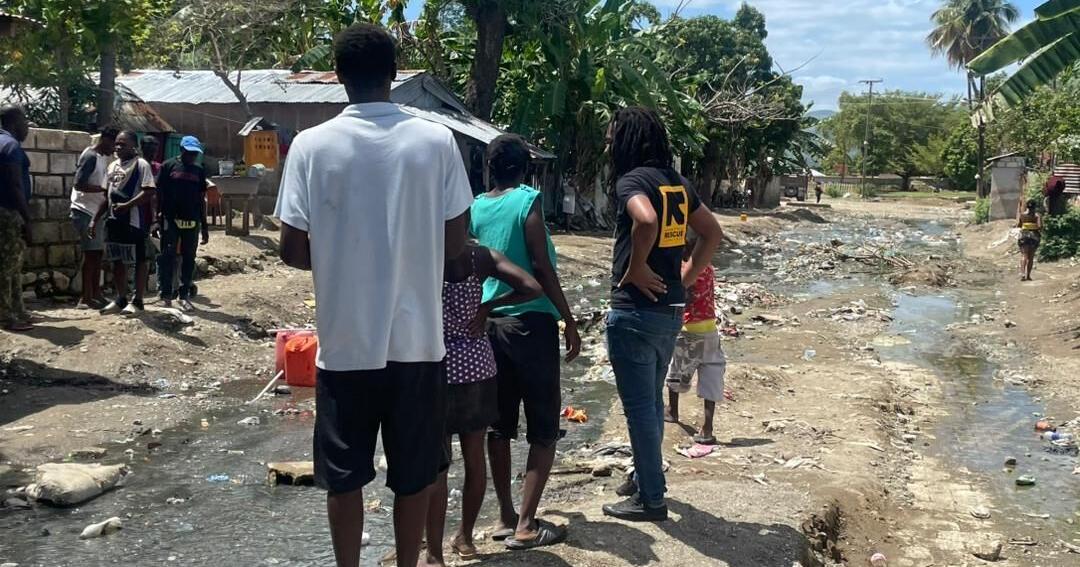
Violence in Haiti has escalated sharply as local and international organizations report a concerning rise in attacks, leading to fears among the Haitian diaspora, particularly in the United States. Gangs have increasingly extended their control beyond the capital city of Port-au-Prince, causing significant instability and humanitarian crises in surrounding areas.
Escalating Violence and Impact on Communities
The International Rescue Committee (IRC) has indicated that recent incidents in Kenscoff, a farming community located approximately 12 miles south of Port-au-Prince, reflect this dangerous trend. The IRC reported that recent violence in the area has resulted in at least 50 kidnappings and 47 deaths, indicating a severe threat to civilian safety.
Officials from the IRC emphasized the dire situation, stating that the expanding territories controlled by gangs not only result in increased violence but also threaten the food security and overall well-being of Haiti’s population. As noted by Allie Pasieka, the IRC’s Deputy Director of Programs in Haiti, more than half of the population struggles to access sufficient food, a situation exacerbated by the ongoing violence.
In the United States, particularly in Ohio, Haitian communities are increasingly anxious as deportation flights have resumed, sending individuals back to a country marred by violence and instability. The U.S. government started deporting Haitian nationals who lost their Temporary Protected Status after a federal decision on July 27, with reports confirming at least three flights to Cap-Haïtien, a relatively more stable region compared to the capital.
IRCs spokesperson Sylvan Foley communicated concerns that many deported individuals originate from areas in Port-au-Prince with significant safety issues. As they arrive in Haiti, there’s uncertainty about their futures, particularly for those who are reuniting with families in highly compromised security situations.
The mood among Haitians in communities like Springfield, Ohio, has turned grim, especially following the tragic death of a local college student, Pierre Damas Bel. Bel lost his life after reportedly struggling with the stigma and pressure associated with his electronic monitoring linked to his migration status.
Mwiti Mungania, IRC’s Country Director for Haiti, stated that the emotional toll of violence and displacement is profound, with many facing repeated cycles of trauma. The organization is working to provide essential protection services and cash assistance to those affected by the ongoing violence, striving to foster a sense of safety and aid recovery.
Why It Matters
The escalating violence in Haiti not only has immediate humanitarian implications but also places immense pressure on Haitian immigrants in the United States. The risks posed by deportation to a country experiencing systematic instability and violence raise concerns over the safety and well-being of these individuals, creating urgency for comprehensive humanitarian responses both locally and internationally.
