




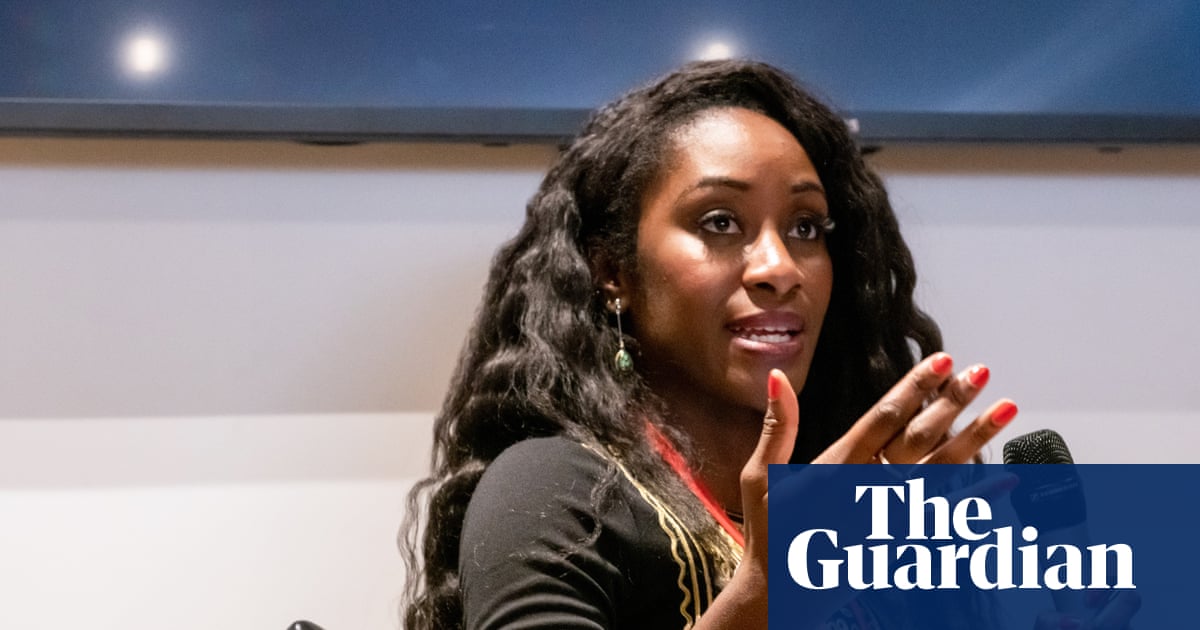
An independent arbitrator has mandated the reinstatement of Karen Attiah, a prominent opinion columnist, who was terminated by the Washington Post in September 2025. Her dismissal stemmed from controversial social media posts concerning Charlie Kirk, a conservative activist who had recently been fatally shot.
Arbitrator’s Ruling
The ruling was issued on Monday, indicating that the Washington Post violated Attiah’s rights as a union-protected employee. The arbitrator ordered the newspaper to reinstate her and compensate her for lost wages. In a statement, Attiah expressed relief over the decision, emphasizing her role as an opinion journalist and stating that her actions constituted professional conduct, not misconduct. She articulated hope that the outcome would resonate with journalists and media institutions regarding the importance of freedom of expression.
A spokesperson for the Washington Post acknowledged the arbitration process but refrained from providing further comments. It remains uncertain whether the newspaper will appeal the ruling.
Attiah’s case garnered support from the Washington-Baltimore News Guild, the union representing most Post employees, and from Democracy Defenders Action, an advocacy organization co-founded by Norm Eisen. Eisen characterized the ruling as a significant victory for Attiah and for journalists advocating for their rights.
Following the shooting of Charlie Kirk on September 10, 2025, Attiah made several posts on social media. Among her comments, she stated that she would not engage in mourning rituals for Kirk, asserting that such actions would not equate to violence. The Post contended that her remarks violated its social media policy, which prohibits employees from harming the editorial integrity or reputation of the organization.
Evidence presented during the arbitration indicated that the Post’s opinion editor, Adam O’Neal, expressed distress over Attiah’s posts, deeming them completely unacceptable for someone in her position. He suggested that her comments posed security risks for Post employees, particularly during a tumultuous period of violence in the country.
In her findings, arbitrator Sarah Miller Espinosa critiqued the Post’s rationale for terminating Attiah. She argued that it was improper to hold Attiah accountable for the actions of individuals who were making threats on social media. Espinosa described the decision to terminate her as “absolutely disproportional,” noting the swift nature of the Post’s actions just hours after O’Neal raised concerns about her posts.
Why It Matters
The reinstatement of Karen Attiah from the Washington Post highlights critical issues surrounding journalistic freedom and the rights of opinion writers, particularly in a volatile socio-political climate. This case may set a precedent regarding the treatment of journalists and their expressions on social media, reinforcing the principle that freedom of expression is essential to a healthy democracy.
