




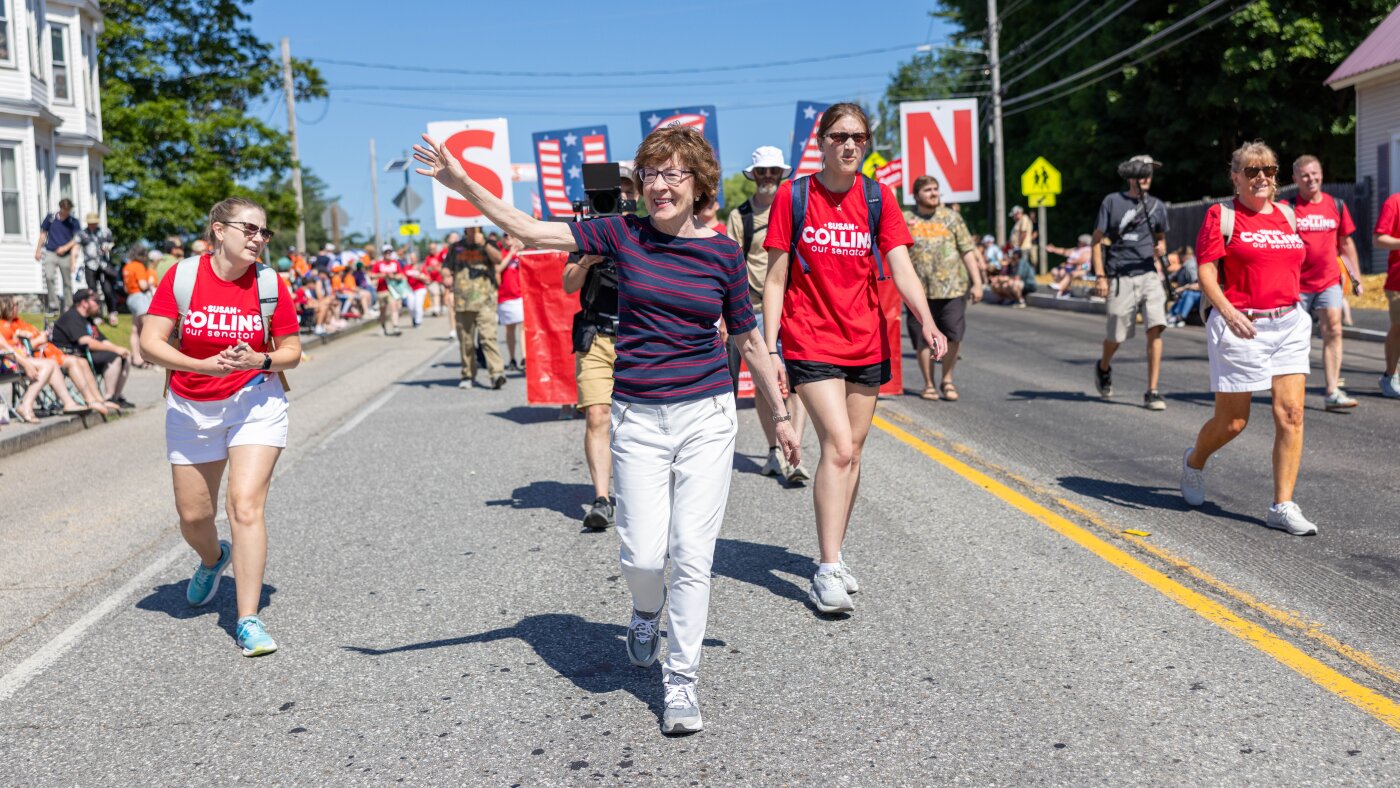
BANGOR, Maine — The upcoming Senate race in Maine is intensifying as candidates and supporters focus on the crucial role women voters may play. Following the withdrawal of presumptive Democratic nominee Graham Platner amid allegations of misconduct, the Democratic Party has nominated Troy Jackson, former state senator, to compete against Republican incumbent Susan Collins.
The Dynamics of Women’s Voting Power
Organizers and political analysts emphasize the importance of engaging women voters, who constituted nearly 60% of the electorate in the last election. In 2020, Collins secured victory by winning the women’s vote by just three points, despite women in the state overwhelmingly supporting Joe Biden. This year, Jackson’s ability to connect with female voters is seen as critical to his campaign’s viability.
Stacy Leafsong, a progressive organizer and a former supporter of Platner, has expressed her support for Jackson. She noted that issues pertinent to women encompass more than just traditional topics like childcare and abortion. “He really needs to speak to the women in Maine and convince them that he’s going to advocate well for them,” Leafsong indicated.
The race also highlights the influence of independent voters, who make up a significant portion of the electorate. According to Emily Cain, a former state senator, independents, particularly older women, often sway statewide outcomes.
Despite the challenges Jackson faces, he is not tainted by accusations of sexual misconduct like his predecessor. Although he has acknowledged past confrontations with colleagues, his campaign is focused on presenting him as a relatable candidate who understands the needs of working-class voters, including women in various professional roles.
The existing dynamics put Collins in a challenging position; her long record of being a moderate Republican may no longer resonate as strongly with women who feel underrepresented. While she has often defended her positions on issues such as abortion rights, critics argue that her past actions, including her vote to confirm Supreme Court Justice Brett Kavanaugh, pose risks in a climate where women’s rights are increasingly scrutinized.
As the campaign unfolds, key discussions surrounding economic concerns remain prominent. Republican candidate Diana Kushnar highlighted that many voters are focused on affordability issues such as housing and healthcare—factors that could influence their support for either Collins or Jackson.
The approaching midterms will likely serve as a litmus test not only for Jackson and Collins but also for the ability of the Democratic Party to mobilize women voters in Maine.
Why It Matters
The outcome of this Senate race in Maine could significantly impact the balance of power in the U.S. Senate, particularly as Democrats aim to reclaim a majority. Engaging women voters may prove critical as campaigns pivot to address broader economic issues while also highlighting social policies.
