




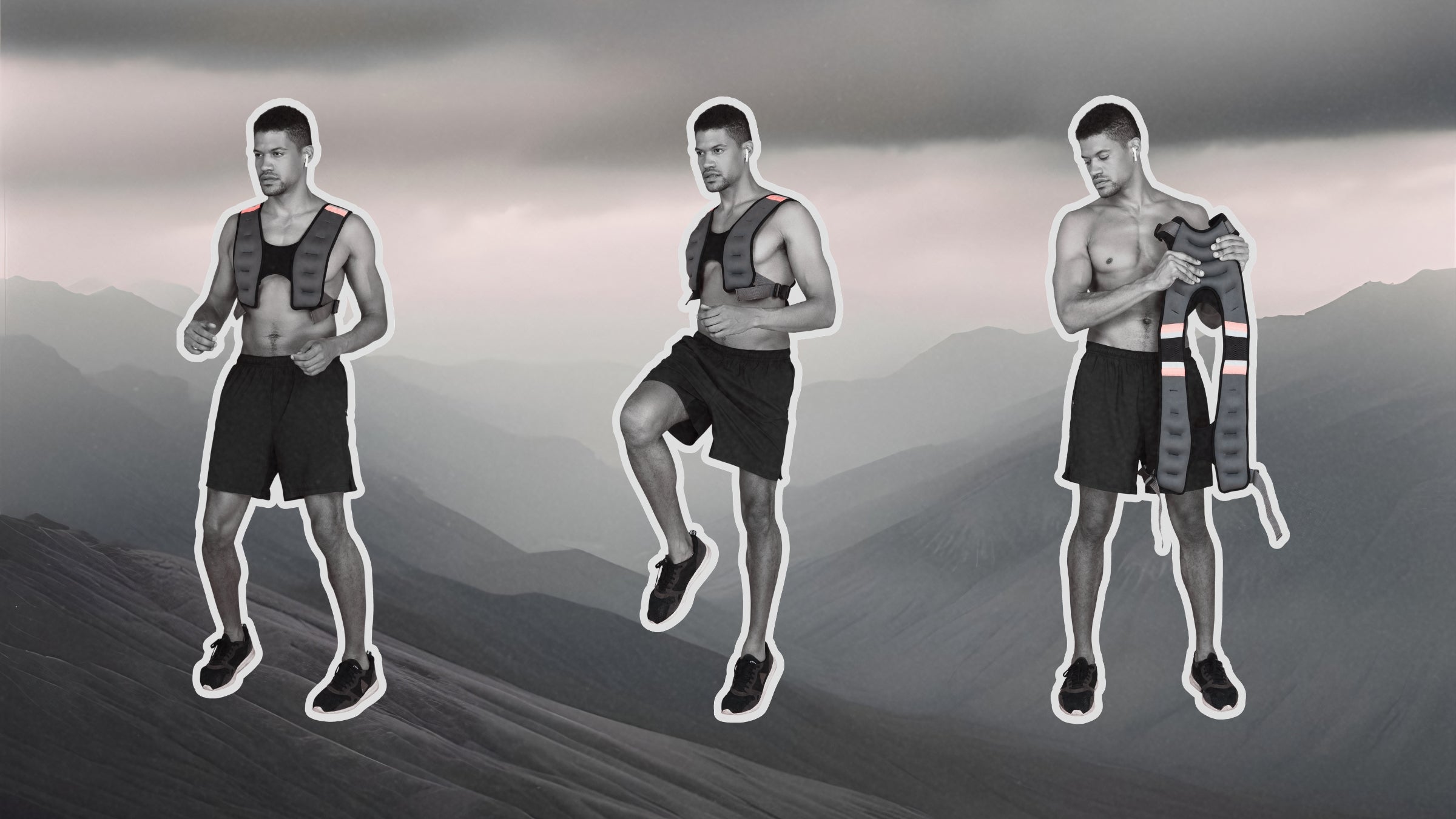
Weighted vests have gained popularity as a tool for enhancing fitness, particularly among new parents and fitness enthusiasts. While they date back to ancient military training, modern users seek to understand their benefits and proper usage, as recent studies and expert opinions shed light on their effectiveness.
The History and Benefits of Weighted Vests
Weighted vests are not a contemporary invention; historically, they have roots in ancient practices by the Spartans, who incorporated load-bearing training in their rigorous military program known as the agoge. This training emphasized the importance of carrying heavy loads over distances, a concept still valued in modern fitness regimes.
According to a former military specialist, engaging in load-bearing exercises builds not only physical strength but also mental fortitude. He noted that while some military training involved significant weights, everyday individuals can benefit from lighter weighted vests. This equipment is increasingly recognized for its advantages in both general fitness and rehabilitation contexts.
Physical therapists have utilized weighted vests for years, particularly to aid recovery and enhance cardiovascular endurance. As noted by a Wyoming-based physical therapist, in patients with conditions like osteoporosis, these vests can provide a safe method for strengthening the body without concentrating stress on vulnerable joints. The evenly distributed weight of a vest enhances core muscle engagement and overall lower-body strength while effectively increasing cardiovascular demands.
A study published in *Physiological Reports* examined the effects of weighted vests on individuals with obesity. Participants using a heavier vest experienced notable increases in heart rate and cardiovascular workload, highlighting the role of weighted vests in boosting physical activity intensity.
Despite their advantages, experts caution that weighted vests should not replace traditional resistance training for athletes seeking significant strength gains. However, they are recommended for individuals like new parents who may prefer gentler forms of exercise while still challenging their bodies during activities. Common movements such as lunges, squats, or walking can become more intense with the addition of a vest.
The trend surrounding weighted vests has surged in recent years, fueled by social media and fitness industry endorsements. Reports suggest that the market for weighted vests is expected to reach approximately $350 million by 2033, showcasing their increasing appeal.
As advised by experts, individuals interested in using weighted vests should start with a weight that is about five percent of their body weight and engage in non-consecutive sessions to monitor their body’s response over time. It is essential to ensure proper fit to avoid discomfort and ineffective training.
Why It Matters
The growing interest in weighted vests illustrates a shift in fitness culture towards incorporating practical and historical methodologies into modern training. As more individuals turn to these tools for improved fitness, understanding their benefits and limitations becomes crucial for safe and effective exercise. With the rise of health awareness, weighted vests provide an accessible means to enhance physical activity and rebuild strength, particularly for those in recovery or new to exercise.
