




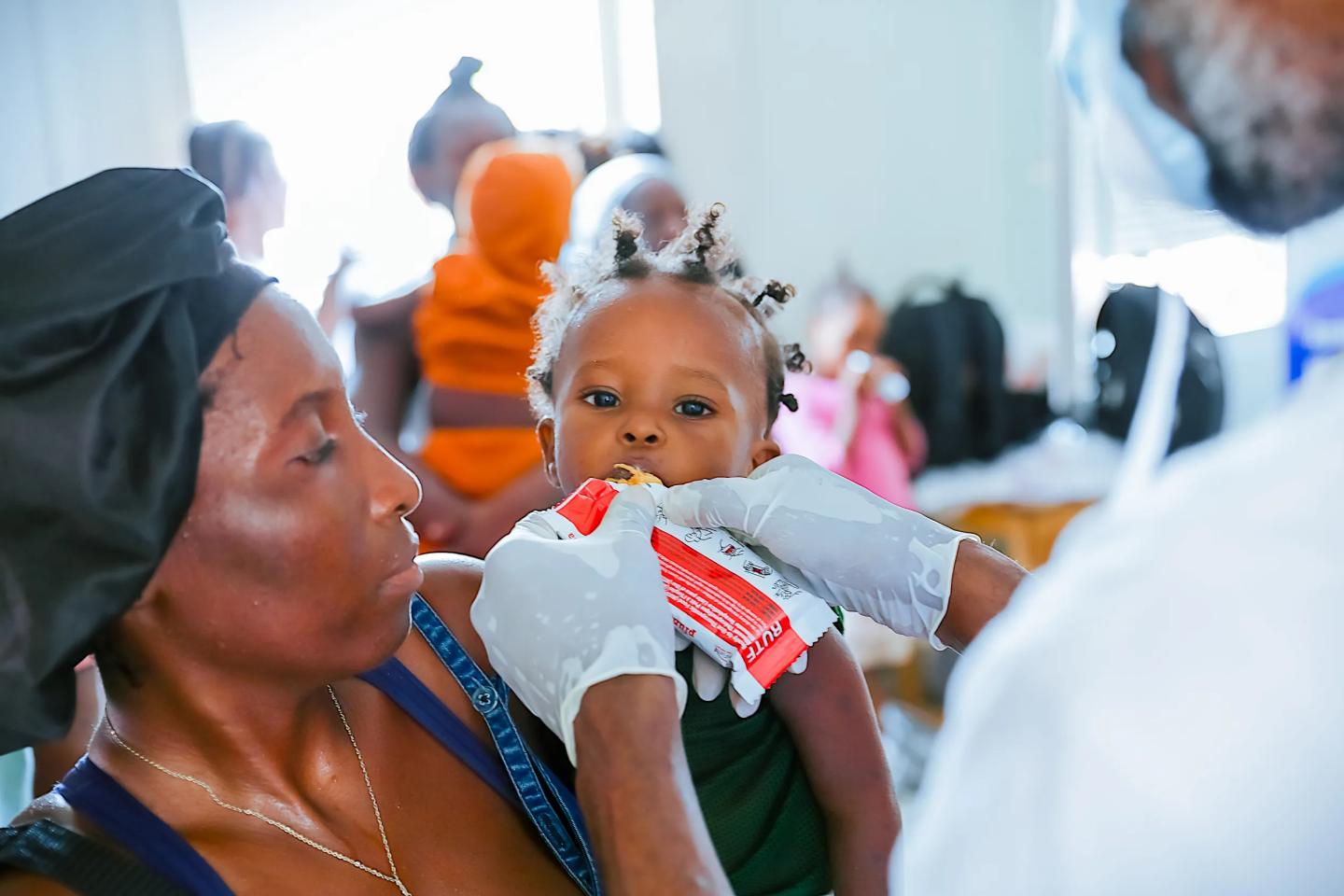
An alarming report has revealed that approximately 253,725 children aged 6 to 59 months in Haiti are projected to experience acute malnutrition between June 2026 and May 2027. This includes nearly 94,000 children classified with severe acute malnutrition. The situation is exacerbated by ongoing violence from armed groups, which poses a considerable threat to the wellbeing of these children and contributes to worsening living conditions.
Projected Malnutrition Rates and Impact of Violence
The analysis, conducted by Haiti’s Ministry of Public Health and Population in collaboration with UNICEF, the Food and Agriculture Organization, the World Food Programme, the World Health Organization, and other partners, indicates that the demand for nutritional support will significantly increase. In addition to the children facing acute malnutrition, about 159,852 children are expected to suffer from moderate acute malnutrition, alongside 25,750 pregnant and breastfeeding women who will also require nutritional assistance.
The report highlights that the escalating violence has led to mass displacements, severely disrupting access to food and healthcare services. As of mid-May 2026, around 1.47 million individuals in Haiti have been identified as internally displaced persons due to the ongoing conflict. This has heightened concerns regarding children’s access to essential resources necessary for their survival and development.
Between December 2026 and May 2027, 29 of the 140 municipalities in Haiti are anticipated to experience significant levels of acute malnutrition. Specifically, areas such as Cité Soleil and Cabaret may reach critical levels, categorized as phase 4 on the Integrated Food Security Phase Classification (IPC) scale, signaling an urgent need for intervention.
“Behind these figures are children whose lives can change when they receive the right care at the right time,” stated Geeta Narayan, UNICEF Representative to Haiti. She emphasized the importance of using the data collected to address malnutrition proactively and ensure that no child is left without necessary support.
Pierre Vauthier, FAO Representative in Haiti, underscored the necessity of addressing both the immediate effects of malnutrition and its root causes. He called for improved access to diverse and nutritious food as a means to mitigate the crisis. Furthermore, Lauren Landis, WFP Representative and Country Director in Haiti, highlighted that investment in nutritional support can yield significant future benefits for children’s health and the country’s overall development.
In light of these pressing needs, UNICEF, FAO, and WFP have urged the Government of Haiti and various stakeholders to take immediate action. Their recommendations include expanding nutritional treatment programs, supporting nutritious diets and essential services, and ensuring safe access and flexible funding for families to access care.
Why It Matters
The projected increase in acute malnutrition among children in Haiti poses a heightened risk of illness and long-term developmental challenges. Addressing these issues swiftly is crucial not only for the immediate health of affected children but also for the future stability and prosperity of the nation.
