




Xpeng aims to sell 500,000 electric vehicles (EVs) annually in Europe by the end of the decade, representing half of its global target of one million units. This ambitious goal, announced by Chairman He Xiaopeng at the Paris car show, would surpass Ford’s 426,000 vehicle deliveries in Europe last year and Stellantis NV’s Opel brand, which registered 400,000 vehicles. Since entering the European market via Norway in 2020, Xpeng has delivered over 60,000 vehicles, with the majority sold in the last two years.
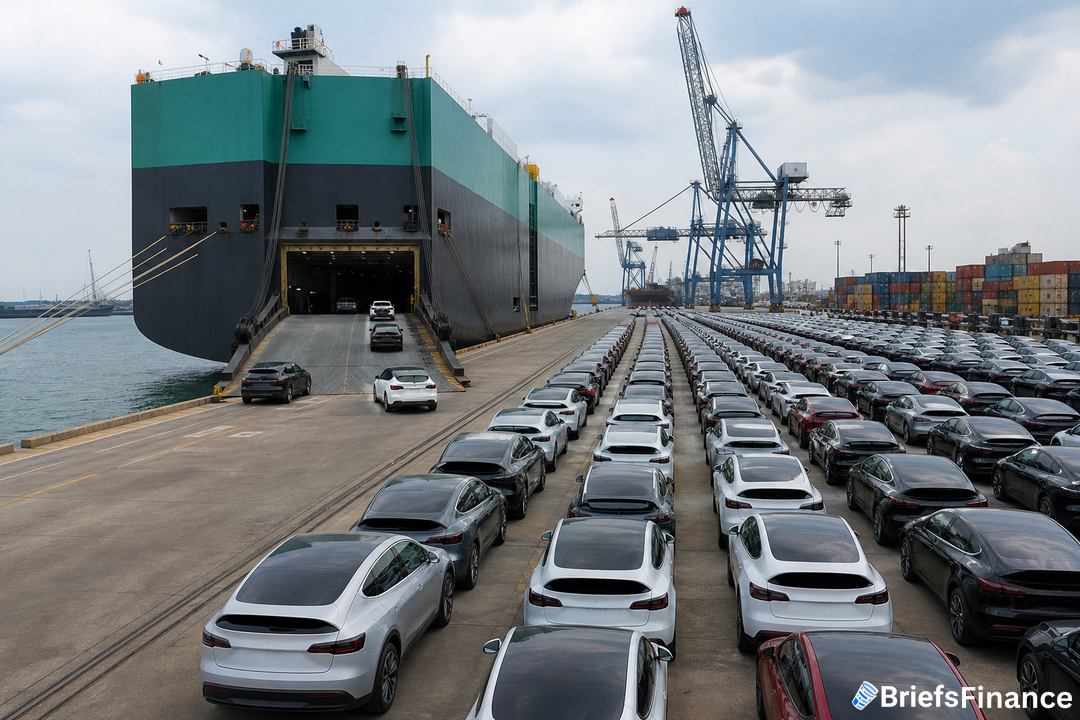
He emphasized that increasing local manufacturing capacity is essential for meeting these sales targets. Currently, Xpeng produces the G6 and G9 SUVs and the P7+ sedan in Graz, Austria. The company recently completed a production trial for its new G9L flagship SUV at this facility. By expanding production in Europe, Xpeng aims to reduce reliance on vehicle shipments from China. However, the company has not disclosed specifics regarding the additional manufacturing capacity it seeks, potential locations, or the status of any ongoing negotiations.
Xpeng is strategically aligning itself with market dynamics in Europe, where pricing and distribution are crucial as it targets new consumers. The company partners with Volkswagen AG on vehicle electronics and driver-assistance technology. Volkswagen holds a stake in Xpeng, which assists in their collaboration. Additionally, Xpeng is in discussions with Magna International AG, its Austrian contract manufacturer, to enhance production capabilities and is considering further manufacturing sites across Europe.
The context for Xpeng’s expansion includes a broader trend of Chinese carmakers, such as BYD Co., attempting to secure a lasting presence in Europe as sales decline in their domestic markets. Moreover, the European Union is pushing for localization of factories and logistics, recently reaching an agreement with China that limits hybrid car imports into Europe.
By focusing on local production, Xpeng seeks to mitigate shipping risks and adapt pricing strategies that could withstand regulatory changes. Industry observers are advised to monitor developments in Austrian manufacturing capacity, potential new plant locations, and evolving EU regulations, as these factors will influence the demand for Xpeng’s European manufacturing partnerships.
