




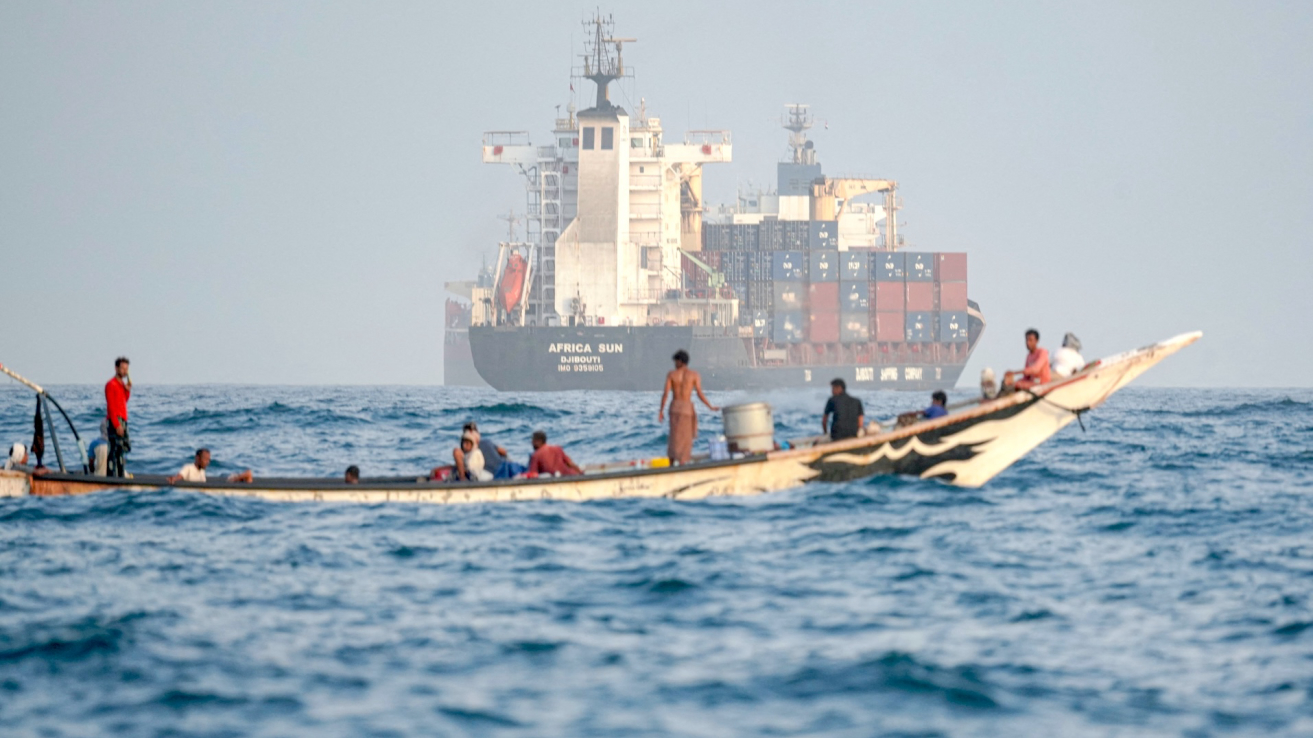
Growing Tensions Along the Red Sea: Implications for African Nations
The ongoing conflicts in the Middle East are reshaping the geopolitical landscape in the region, drawing African states into an evolving macro-conflict system centered around the Red Sea. Rising tensions, fueled by military confrontations involving the United States, Israel, and Iran, combined with shifting alliances among Gulf nations, are creating new opportunities and challenges for African countries situated along this strategic waterway.
Recent military actions by the US and Israel against Iran, accompanied by Houthi attacks on international shipping lanes, have highlighted the fragility of regional security. This situation raises concerns that deeper geopolitical fractures could occur, presenting dire implications for the surrounding African nations. Central to this dynamic is a competition for influence that involves various actors, including Saudi Arabia and the United Arab Emirates (UAE).
Saudi Arabia has strategically aimed to counter the UAE’s growing investments and influence in the Horn of Africa. Through alliances with Egypt, Turkey, and Pakistan, Riyadh is reinforcing a state-centric approach to limit the UAE’s power, especially in light of Abu Dhabi’s partnership with Israel, which has intensified since the 2020 Abraham Accords.
For African nations, the coastline along the Red Sea offers valuable strategic assets, including access to ports and air facilities for security and intelligence partnerships. However, the geopolitical competition between Gulf states complicates African states’ positions. For instance, landlocked Ethiopia is seeking access to the port of Berbera in Somaliland, which remains a point of contention following a 2024 cooperation agreement that asserts Somalia’s sovereignty over such arrangements.
Countries like Egypt, vital for controlling the Suez Canal, face unique challenges as instability in the Red Sea and the Horn of Africa could threaten their national interests. Tensions have been exacerbated by Ethiopia’s ambitions regarding the Grand Ethiopian Renaissance Dam, leading Cairo to strengthen its ties with Riyadh to counterbalance Addis Ababa’s claims.
In Sudan, the ongoing conflict presents a duality of partnership opportunities and risks as various Gulf actors navigate their interests amid allegations of foreign military support linked to the Rapid Support Forces, a claim both the UAE and Sudanese authorities have denied. Somalia’s shifting alliances also underscore the fragmented nature of relationships, as federal authorities navigate ties with several Gulf nations, highlighting the complexity of local governance and external influence.
Why It Matters
As African nations along the Red Sea become increasingly embroiled in the political and security dynamics of the Gulf, the potential for both opportunity and fragmentation increases. While African states can leverage their geographic position for benefits in infrastructure and defense partnerships, the entrenchment in the competing rivalries of regional powers may ultimately limit their autonomy. The challenge lies in navigating these external influences to foster collective development rather than allowing geopolitical tensions to deepen divisions within the continent.
