




Haiti – 56th OLACDE Meeting: Major Commitments for the Energy Future
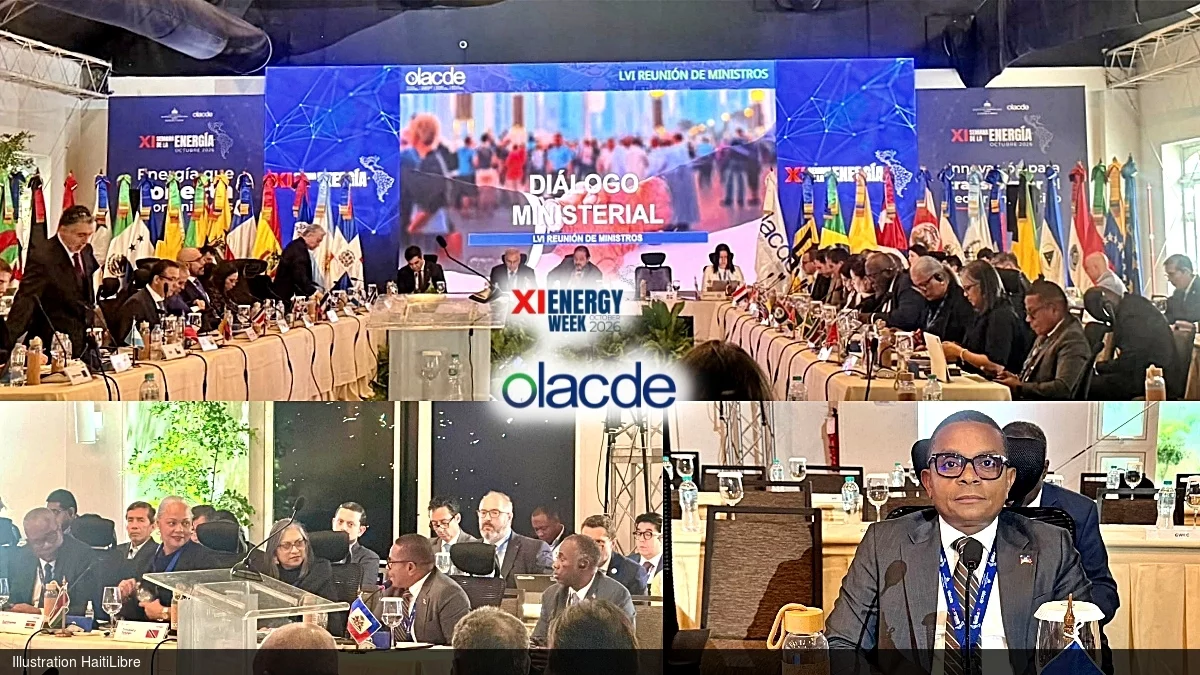
The 56th Meeting of Ministers of the Latin American and Caribbean Energy Organization (OLADE) took place in Santo Domingo, Dominican Republic, focusing on key developments in regional energy management. Engineer Joseph Almathe Pierre Louis, Haiti’s Minister of Public Works, actively contributed to discussions that led to strategic decisions aimed at facilitating energy transitions across the region.
One major topic of discussion was the role of artificial intelligence (AI) in the energy sector. Delegates explored the potential for digital transformation, with a consensus to task the Permanent Secretariat to conduct a regional assessment on leveraging AI for improved power grid management and energy efficiency. The ministers emphasized the importance of maintaining strong cybersecurity and adhering to ethical and environmental guidelines in advancing these technological initiatives.
Decarbonization efforts also took center stage, with discussions highlighting the gradual electrification of sectors such as transportation, industry, and residential buildings. The goal is to replace fossil fuel usage with electricity generated from renewable sources, thereby creating a cleaner and more resilient energy supply.
Participants at the meeting recognized the environmental implications of new infrastructure projects, endorsing guidelines aimed at promoting a circular economy. Member states agreed to develop recycling and reuse systems specifically for equipment such as photovoltaic panels and storage batteries, which are critical to the sustainable lifecycle of clean technologies.
Additionally, the establishment of a Regional Youth Energy Council was approved. This platform will allow young leaders and experts throughout the region to have direct communication with policymakers, ensuring that innovative ideas are incorporated into the development of future energy strategies.
For Haiti, the resolutions passed during the meeting represent tangible opportunities for technology transfers, technical assistance, and multilateral partnerships, which are vital for reforming the country’s energy infrastructure.
