




Bunker prices across various European and African ports experienced mixed movements on September 18, 2023, while weather disruptions affected port operations in Durban. As of 09:00 GMT, prices for different types of fuels showed both increases and decreases in various locations.
Bunker Prices and Port Conditions
Reports indicate the following changes in bunker fuel prices:
- VLSFO (very low sulfur fuel oil) prices increased by $5 per metric ton in Durban, $4 in Gibraltar, and $1 in Rotterdam.
- LSMGO (low sulfur marine gas oil) prices rose by $11 in Gibraltar and $6 in Rotterdam, while witnessing a decrease of $1 in Durban.
- HSFO (high sulfur fuel oil) prices moved up by $2 in Rotterdam and Gibraltar, but fell by $6 in Durban.
- B30-VLSFO prices declined by $9 in Gibraltar and $7 in Rotterdam.
Specifically, Durban’s VLSFO price has seen a slight increase, whereas the LSMGO price has declined. The HSFO price in Durban dropped $6 per metric ton, contrasting with a $74 per metric ton increase in Port Louis, Mauritius. This variation has widened the discount of Durban’s HSFO to Port Louis by $80 per metric ton in just one day to reach $137 per metric ton.
In Durban, the VLSFO price is currently $60 per metric ton lower than that in Port Louis, yet it holds a $73 per metric ton premium over VLSFO offered near Walvis Bay. Notably, Durban’s LSMGO price carries a premium of $233 per metric ton compared to Walvis Bay. Traders highlighted that fuel availability in Durban is constrained for immediate deliveries, with suppliers advising lead times of 5-7 days for HSFO, VLSFO, and LSMGO.
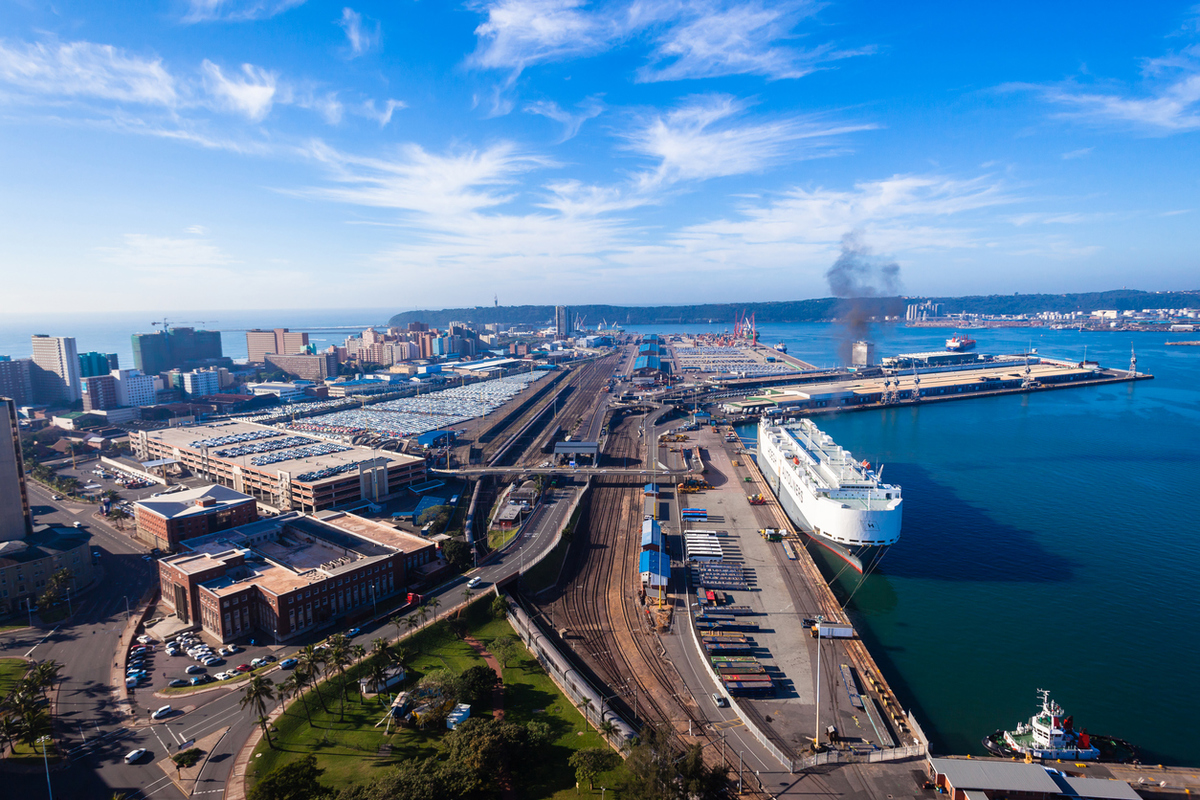
Inclement weather is impacting operations at Durban’s port, as high swells exceeding three meters are forecast throughout the day. Consequently, the Transnet Port Authority announced a suspension of inbound traffic.
In the crude oil market, the front-month ICE Brent contract has decreased by $1.57 per barrel to settle at $102.71 per barrel. Current geopolitical tensions, particularly escalating hostilities in the Middle East involving Saudi Arabia, are exerting upward pressure on prices. Vessel traffic through the Strait of Hormuz remains significantly below the normal pre-war average, attributed to ongoing military challenges in the area. Additionally, reports of ship-to-ship crude transfers from Saudi Arabia to Asian markets may alleviate some market concerns, despite previous disruptions affecting the critical oil pipeline to the Red Sea.
Why It Matters
The fluctuations in bunker pricing and the operational challenges in Durban reflect broader trends within the global shipping and oil markets, especially amid geopolitical tensions. Understanding these dynamics is crucial for stakeholders across trade, logistics, and energy sectors, as they can influence supply availability, pricing strategies, and overall economic performance in affected regions.
