




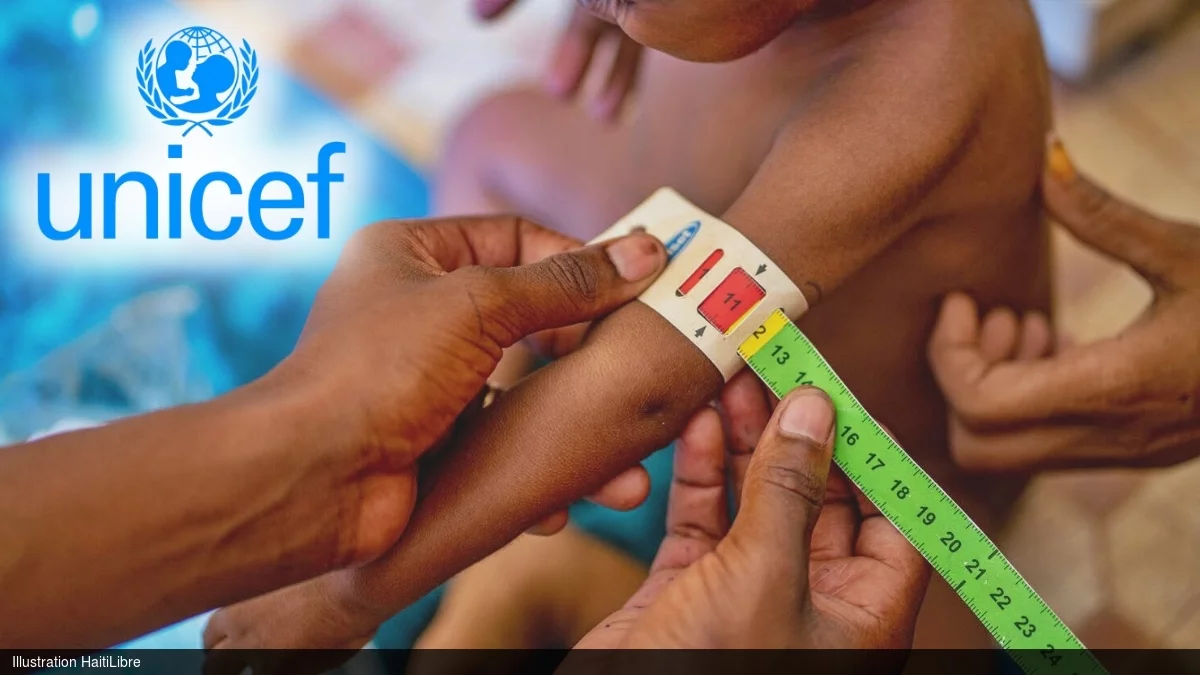
Haiti Faces Critical Child Malnutrition Crisis Ahead
Haiti is projected to experience a critical child malnutrition crisis between December 2026 and May 2027, according to an analysis released by the Ministry of Public Health, supported by key international organizations, including UNICEF, the Food and Agriculture Organization (FAO), the World Food Programme (WFP), and the World Health Organization (WHO).
The analysis indicates that approximately 253,725 children aged 6 to 59 months will be affected by acute malnutrition during this period, with nearly 94,000 of these cases expected to be classified as severe. The situation is further compounded by ongoing violence attributed to armed groups, which poses significant challenges to accessing necessary healthcare services.
Key areas identified as having the most urgent needs include 29 out of 140 communes, which are forecasted to reach IPC Phase 3 for acute malnutrition. This level signifies severe acute malnutrition. Moreover, Cité Soleil and Cabaret are expected to escalate to IPC Phase 4, indicating a critical humanitarian situation with very high risks of illness and mortality among affected children.
The Ministry of Public Health suggests that without immediate intervention, malnutrition can have life-threatening consequences. The report estimates that an additional 159,852 children will face moderate acute malnutrition during this timeframe. Additionally, about 25,750 pregnant and breastfeeding women will require nutritional assistance.
International agencies are urging the Haitian government alongside donors and civil society to adopt immediate measures to combat this worsening crisis. Recommendations include strengthening prevention and care initiatives in affected communities through measures like community-based screening, rapid treatment, and access to therapeutic foods, tailored particularly for vulnerable women and children.
Furthermore, there is a call for improving access to nutritious diets and essential services by integrating maternal and child nutrition interventions with water sanitation, healthcare, and agricultural support to enhance food production.
In light of these urgent needs, officials emphasize that preventing malnutrition should be viewed as a strategic investment in Haiti’s future rather than an expense.
Why It Matters
The anticipated rise in child malnutrition in Haiti highlights a critical public health issue that not only affects individual health outcomes but also has long-term implications for the country’s overall development. Addressing malnutrition and its underlying causes is essential to safeguarding the well-being of vulnerable populations, particularly children, and ensuring sustainable future growth for Haiti.
