




In recent developments from the White House, officials announced significant changes to immigration policies affecting international graduate workers and scientific research funding, addressing both the Optional Practical Training (OPT) program and National Institutes of Health (NIH) grants.
White House Proposes $100,000 Fee for International Graduate Workers
The Department of Homeland Security has put forward a proposal to impose a $100,000 fee on international graduates applying to work in the United States. This proposal has successfully passed White House review. A notice regarding the proposed fee linked to the OPT program is anticipated to be published in the Federal Register soon.
The OPT program currently allows students with F-1 visas to gain practical work experience for up to a year after graduation, extendable by two years for those in STEM fields. It is estimated that over 400,000 students participate annually in the OPT program, predominantly from countries like India and China. Currently, these students pay an application fee of approximately $500.
In a related measure, the White House recently renewed a proclamation instituting a $100,000 fee for certain H-1B visas. Officials noted a dramatic decrease of 92% in H-1B registrations from prominent IT outsourcing firms since the fee’s introduction.
White House Seeks More Control Over NIH Grants
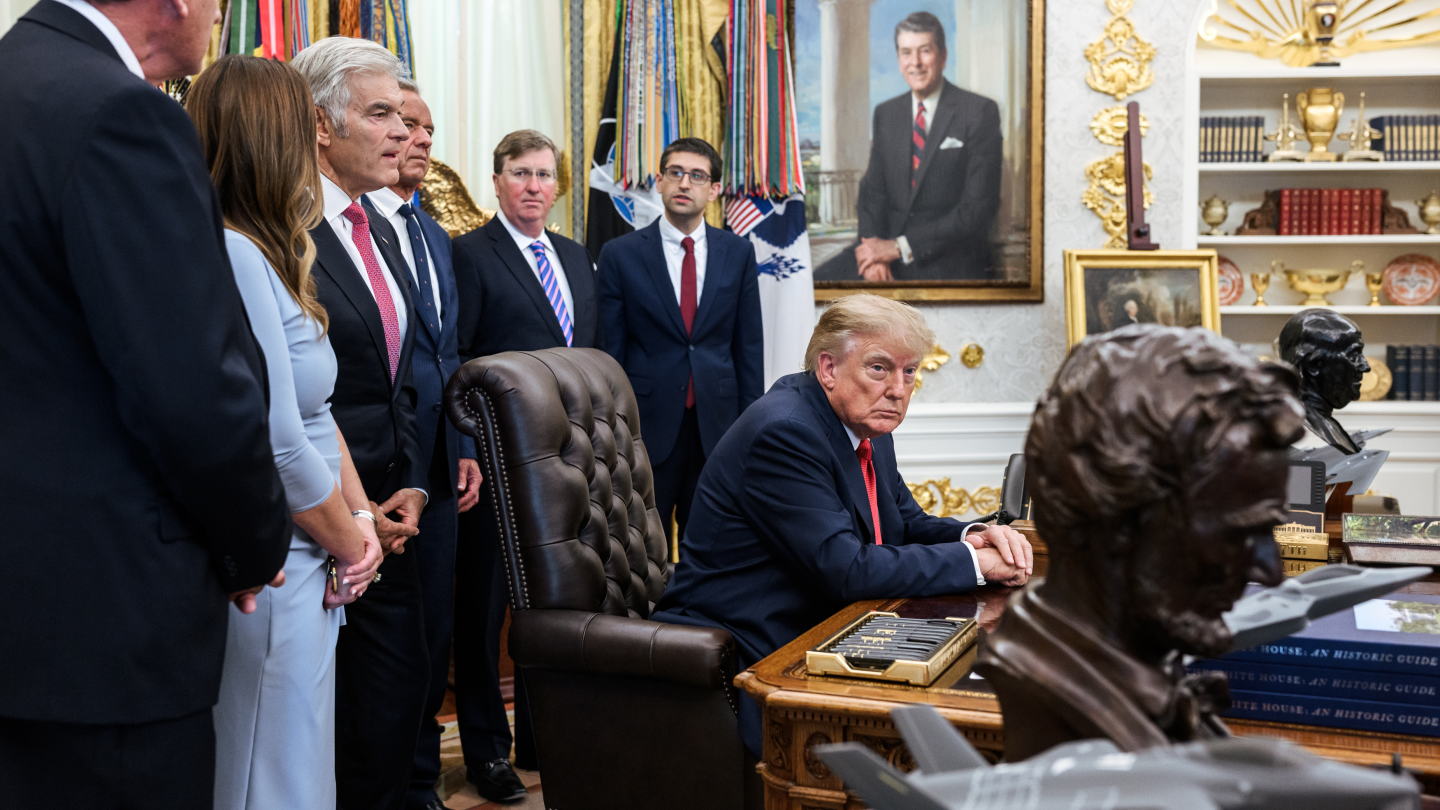
In another development, the White House is planning to establish an external approval panel for NIH grants through an upcoming executive order. This initiative follows a reported meeting in the Oval Office where discussions revealed tensions between the Office of Management and Budget and NIH officials regarding research funding cuts and ongoing projects.
The proposed panel would include political appointees from both the OMB and NIH and would have authoritative influence over grant approvals. Concerns have been raised regarding the potential impact on funding for diversity and health equity programs, which some officials believe contradict the administration’s policy preferences. An NIH spokesperson affirmed that existing grant obligations would be met despite the OMB’s funding review initiatives.
The proposed oversight has drawn criticism from advocacy groups, suggesting that such bureaucratic measures could impede progress in medical research.
Why It Matters
These policy changes reflect the current administration’s approach to immigration and scientific funding. The proposed fee for international graduates may deter potential talent from joining the U.S. workforce, while increased scrutiny of NIH grants could reshape the future of medical research and public health initiatives in the nation.
