




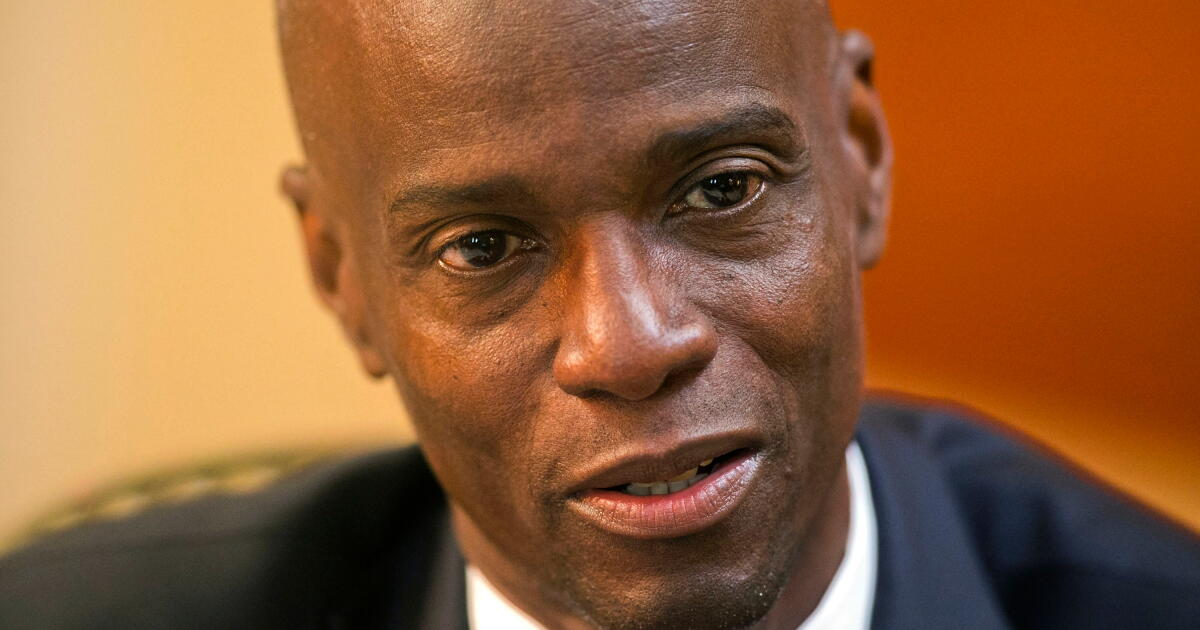
MIAMI — A former Haitian government official and 17 others appeared in federal court in Miami on Monday regarding their alleged involvement in the assassination plot against Haitian President Jovenel Moïse in 2021. Among the defendants is Joseph Badio, a former employee of Haiti’s Ministry of Justice, who was brought into the courtroom in a wheelchair after being transferred from Haiti, where he had been in custody.
Charges and Background
The group faces charges stemming from a broader indictment that encompasses around 30 individuals, including Christian Sanon, a dual Haitian-American citizen from Palm Beach County. Sanon had aspirations to become Haiti’s president and is preparing for trial next week. U.S. authorities assert that South Florida served as a critical hub for the planning and financing of the operation aimed at removing Moïse and installing a replacement as determined by the conspirators.
U.S. Attorney Jason Reding Quiñones stated that Moïse was “assassinated by individuals seeking to profit from illicit financial opportunities and business contracts.” The assassination occurred on July 7, 2021, when approximately two dozen foreign mercenaries, primarily from Colombia, launched an attack on Moïse’s residence near Port-au-Prince.
In response to the ongoing investigation, Haitian justice officials sought assistance from the U.S. and Canada in 2025 after a local court ordered a new inquiry into Moïse’s assassination. This marked the third investigation since Moïse was shot multiple times during the attack, which also left his wife, Martine, injured. Previous probes had been hampered by judges resigning over safety concerns and gang control of the Port-au-Prince courthouse.
According to the indictment, Badio is charged with conspiracy and allegedly posed as a U.S. drug agent during the assassination. He was previously part of the government’s anti-corruption unit but was dismissed due to alleged ethics violations shortly before the assassination.
During the court proceedings, U.S. Magistrate Judge Lisette Reid assigned lawyers to the defendants and established future court dates through brief exchanges. The indictment also details that the conspirators funded the assassination by misappropriating funds from U.S. government programs designed to support businesses during the COVID-19 pandemic.
Since Moïse’s assassination, Haiti has been facing a significant leadership void and escalating gang violence, with reports indicating that over 3,000 fatalities tied to violence were recorded by June of this year and around 1.5 million individuals displaced, according to United Nations estimates.
Why It Matters: The proceedings will potentially shed light on the complex networks and motivations behind the assassination of President Moïse, a pivotal event in Haitian history that has contributed to ongoing political instability and humanitarian crises in the country.
